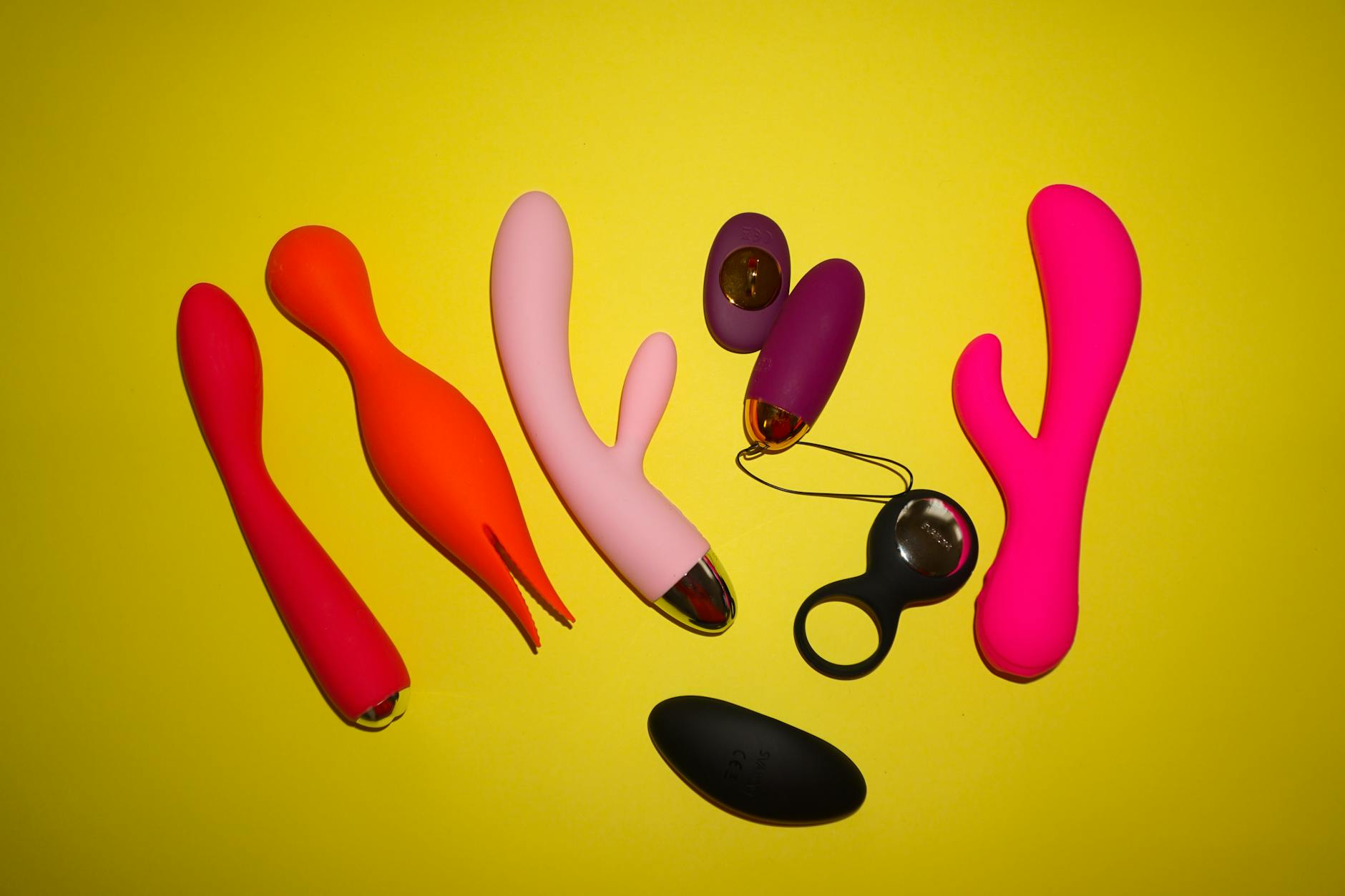
Let's address the fear head-on
You're considering a lemon vibrator. Or you've been using one for months. And somewhere in your brain, a voice whispers: "What if I'm numbing myself? What if nothing else will feel good anymore?"
I hear this question constantly. It's legitimate. It's also almost entirely based on a misunderstanding of how your body actually works.
The desensitization myth, explained
Here's what people believe: use a vibrator regularly, and your nerve endings will get tired. They'll stop responding. You'll need stronger and stronger stimulation to orgasm. One day you'll look up from a lemon clitoral vibrator and realize you can't come any other way. You're stuck.
This narrative is comforting in a weird way because it suggests a clear cause and effect. It's also wrong.
Desensitization in the clinical sense is real. It happens in specific contexts: repeat exposure to the same stimulus at the same intensity can reduce the brain's response over time. You stop noticing background noise. Your skin adapts to constant pressure. But pleasure circuits don't work that way. Your clitoris is not a muscle that gets tired from use. It's a collection of thousands of nerve endings that exist to receive pleasure, not to burnout.
The confusion comes from conflating two separate things: habituation (your brain stops paying attention to the same input) and nerve damage (your tissue actually stops working). Lemon vibrators, used normally, do neither.
What research actually shows
Studies on vibrator use and sensitivity are thin on the ground, mostly because the medical establishment has historically treated this question as unserious. But what exists is reassuring.
A 2009 study published in the Journal of Sexual Medicine found that vibrator use did not cause decreased genital sensation in women who used them. Another analysis of multiple datasets found no evidence that vibrator use leads to reduced pleasure or difficulty orgasming over time. What researchers found instead: people who use vibrators tend to have better body awareness, stronger orgasms, and sometimes improved sexual function overall.
The confounding factor that gets missed: if you're suddenly struggling to come without a vibrator after years of easy orgasms, the cause is usually not the vibrator itself. It's often stress, relationship change, medication, hormonal shifts, or pelvic floor tension. A lemon sucker becomes a convenient scapegoat for something else entirely.
Why a lemon vibrator might feel different over time (it's not bad)
Your body does adapt. But adaptation in pleasure is not the same as damage.
When you first use a lemon clitoral vibrator, the sensation is novel. Your brain is flooding with "this is new, this is intense, pay attention." That heightened novelty response naturally mellows out after a few weeks or months. You're not numb. Your nervous system is simply integrating the stimulus into your baseline.
This is actually evolution working perfectly. If every sensation stayed at peak intensity, you'd be exhausted. Your body gets smarter about what matters.
What I observe clinically is different: people who use lemon vibrators consistently often report that they get better at exploring nuance. They understand their patterns faster. They can tell the difference between five different intensity levels instead of "it works or it doesn't." That's not desensitization. That's literacy.
The variables that actually matter
If you're concerned about sensitivity changes, focus on these instead of hours logged with your vibrator:
1. Intensity progression. If you jump straight to the highest setting on your lemon vibrator, your nervous system will treat that as the new baseline faster than if you started at level two. Not because you're damaging anything, but because contrast is what your brain registers as pleasure. Keep some settings in reserve.
2. Variety. Using only one toy, one pattern, one position creates a narrow stimulus path. Your brain adapts to that path. Adding another lemon vibrator, trying a wand, exploring suction patterns, or shifting positions keeps the neural pathways active and engaged.
3. Mental presence. A huge percentage of orgasm happens in your brain. Using a toy while scrolling, distracted, or disconnected from sensation is fundamentally different from focused attention. If you're less present, pleasure will feel flatter, and it has nothing to do with the vibrator.
4. Stress and hormones. Cortisol is the enemy of arousal. Estrogen, testosterone, and thyroid function affect clitoral response directly. If your sensitivity drops alongside sleep loss, a new medication, or a stressful period, look there first.
5. Pelvic floor tension. When the pelvic floor muscles are chronically tight, sensation actually dampens. You're essentially strangling your own pleasure. This has nothing to do with your vibrator and everything to do with posture, breathing, and sometimes therapy.
What happens when you take a break
If you're genuinely worried, stop using your lemon vibrator for two weeks. Explore your body without it.
What most people find: sensation returns immediately. Because it never actually left. You'll notice things feel sharper, novel again. That newness is real. It's also temporary, and by week three it normalizes again. This is not evidence of damage. This is evidence that your nervous system is adaptive and healthy.
The real concern (and it's not about sensitivity)
The legitimate question isn't "will I numb myself?" It's "will I become dependent on vibration to orgasm?"
This is different. Some people, especially those who rely exclusively on high-intensity settings, do find that clitoral vibrators become their go-to. That's not neurological damage. That's learned preference. It's also fine. You don't owe your body the ability to come without your favorite tool.
But if you want flexibility, the solution is simple: rotate toys. Learn your body through different types of stimulation. A lemon clitoral vibrator is phenomenal, but it's one tool in a larger toolkit. Mixing in suction patterns, manual techniques, and other textures keeps your nervous system responsive across modalities.
The uncomfortable truth about the myth
The fear of vibrator desensitization persists partly because female pleasure is culturally coded as precious and fragile. The narrative that "too much pleasure breaks you" serves a purpose: it keeps some people rationing their own satisfaction, staying "modest" in their desires, treating their sexuality like a resource to be carefully managed rather than freely enjoyed.
Your clitoris isn't a battery that runs down. It's an organ designed for pleasure, and using it consistently doesn't wear it out. It's a bit like worrying that laughing too much will ruin your sense of humor.
How to use lemon vibrators sustainably (if you want to)
If you're a regular user and want to keep sensation sharp across different contexts, here are practical moves:
Rotate intensity levels. Spend a week at lower settings. Use patterns instead of constant vibration. Take occasional breaks, not out of fear but out of curiosity. Explore your body manually between sessions. Pay attention during partnered sex, which activates different neural pathways than solo use.
Try new positions. Angle changes everything. A lemon sucker at a different angle can feel like a completely different toy. Vary timing. Using a vibrator at different times of your cycle gives you natural variation in how your body responds.
Most importantly: stop treating pleasure like it's limited. Your body's capacity for sensation isn't a zero-sum game. Using a vibrator won't take anything away. It's more likely to teach you what you actually like, and that knowledge extends to every other form of touch.
FAQ: Your questions answered
Can I lose the ability to orgasm from other types of touch if I rely only on a lemon vibrator?
Not from the vibrator itself. But if you only use one tool, you might not explore other pathways. The fix is simple: occasionally use your hands, a partner's touch, or try different lemon vibrator settings. Your body responds to what you practice, not because you've damaged anything.
Is there a safe amount of vibrator use per week?
No. Daily use is fine. Weekly use is fine. Multiple times a day is fine. There's no threshold at which damage happens. The only limiting factor is comfort and whether you're addressing actual physical irritation, which is rare with quality toys.
Will my sensitivity come back if I stop using my lemon clitoral vibrator?
Your sensitivity never leaves, but novelty will return. After a break, a vibrator will feel sharper and more intense simply because it's novel again. This isn't proof you damaged yourself. It's proof your nervous system is working normally.
Can vibrator use cause nerve damage?
Not with standard sex toys. Nerve damage requires actual trauma: compression, cutting, or electrical injury. A lemon vibrator on your clitoris is no more damaging than a facial massage is to your face.
What if I feel numb after using my vibrator for a while?
That's usually temporary and caused by overstimulation in that session, not long-term desensitization. Take a break for an hour or two. Stay hydrated. Return when sensation has reset. If numbness persists across days, see a gynecologist to rule out other causes.
Does using a lemon vibrator mean I'll never enjoy sex without one?
No. But it might mean you have a strong preference. That's not a problem unless you want more variety. In that case, simply practice other forms of stimulation alongside your toy. Preferences are learned, not neurological faults.
The bottom line
Using a lemon vibrator doesn't numb you. It doesn't break you. It doesn't create a one-way dependency or threshold of no return. What it does: it teaches you what you like, gives you reliable pleasure, and in many cases, improves overall sexual function and confidence.
The sensitivity myth persists because it comforts people who feel guilty about their pleasure. You don't need to feel guilty. Your body isn't precious and fragile. It's resilient and adaptive. Use your vibrator as much as you want. Your clitoris will thank you.