Let's talk about what happens when you've been away
There's no such thing as sexual amnesia. Your body doesn't forget how to feel pleasure. But it does reset. After months or longer without sexual activity, your nervous system recalibrates. Blood flow patterns change. The pelvic floor tightens. Your brain's arousal pathways get quieter. And honestly, the mental side is often the harder part than the physical one.
Coming back to intimacy after a long break is not the same as picking up where you left off. I know that sounds obvious, but most people expect it to be seamless. It isn't. And that's not a failure.
Why your body feels different now
When you've had a period of sexual inactivity, a few things happen simultaneously. First, the tissues in your vulva become less engorged as a baseline state. That doesn't mean they've forgotten how to respond to stimulation, but the starting point is lower. Arousal takes longer to build because your parasympathetic nervous system has gotten used to a calmer baseline.
Second, your pelvic floor often becomes tighter. Whether that's from stress, habit, or just the body conserving energy when a function isn't being used, the result is the same. Muscles that should be relaxed and responsive feel guarded. This can make penetration or even external touch feel more intense than you remember.
Third, and this matters a lot, your brain's expectations are doing work your body hasn't caught up to yet. You might expect to feel the way you felt before the break. That's a setup for disappointment. Your nervous system needs permission to relearn this in real time, not as a replay of the past.
The good news? All of this is reversible. And it tends to shift faster than you'd expect once you give it attention.
Why a Lemon Vibrator helps you restart
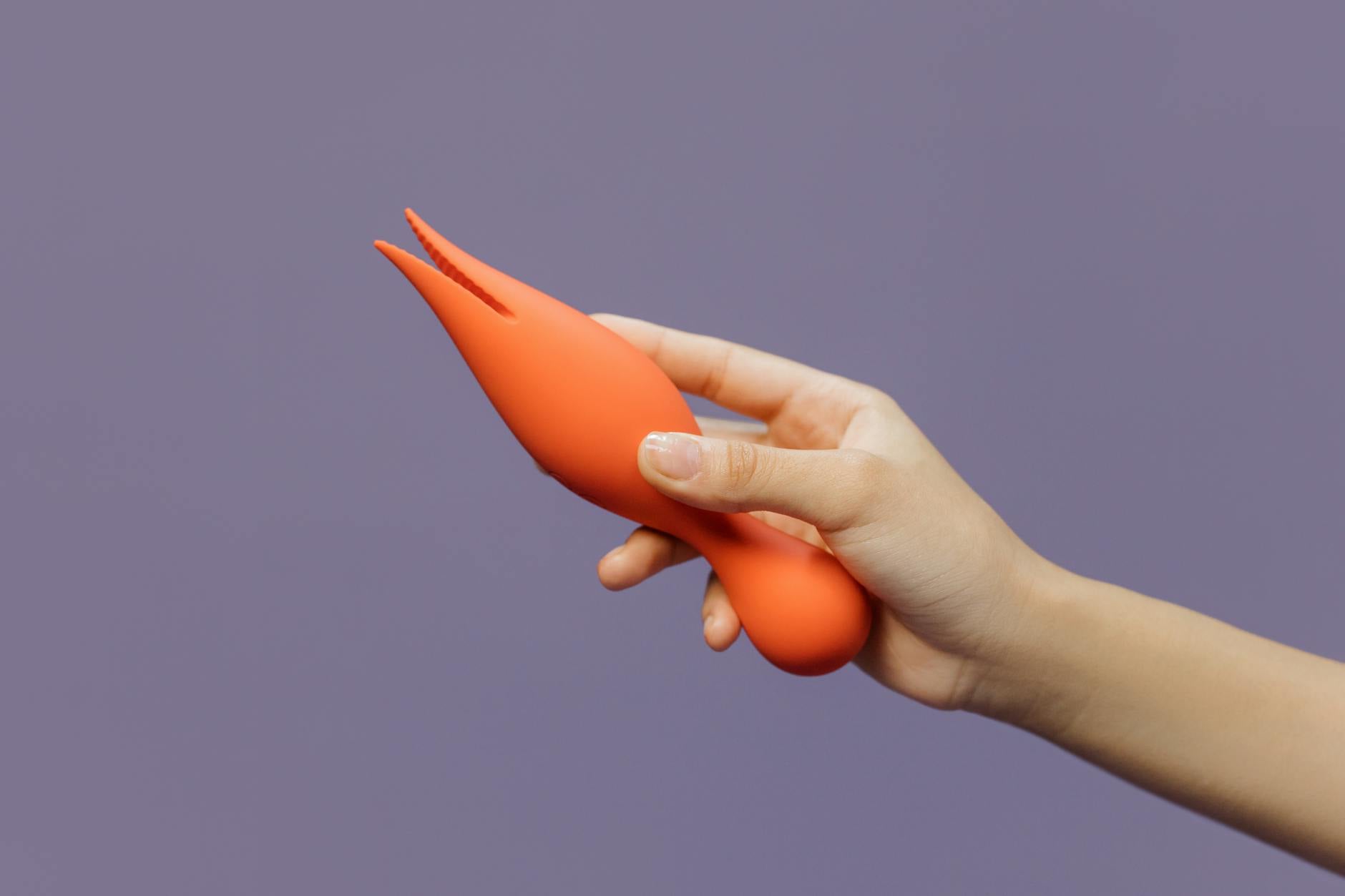
Clitoral vibrators like the Lemon work particularly well when you're easing back because they give your nervous system a clear, consistent signal without requiring your body to do the work of building arousal from scratch. Air-suction technology (the kind in most lemon sexual toys) creates a gentle, rhythmic pressure that stimulates nerves without harsh friction.
When you've been away, friction can feel overwhelming. Suction is different. It's persistent without being aggressive. You can start at a low pattern and stay there for as long as you need. Your clitoris gets stimulation while your pelvic floor doesn't feel like it has to brace for impact.
For someone returning to intimacy, this matters: you're not trying to prove anything to yourself or a partner. You're just reintroducing your nervous system to pleasure in a way that feels safe. A lemon clitoral vibrator lets you do that on your timeline.
The actual plan for the first few times
Here's what I recommend to clients rebuilding their sexual life:
Day one: Touch without expectation. Hold the vibrator. Feel its weight. Turn it on at the lowest setting and press it gently to your inner arm or neck. The point is to let your nervous system recognize the sensation as pleasant, not scary. No goal, no agenda.
Sessions two through four: External exploration. Use the vibrator at low settings on the outer labia, not directly on the clitoris yet. Your tissues need to remember what engorgement feels like. This usually takes 10-20 minutes. You might not orgasm. That's fine. Actually expected.
Sessions five onwards: Clitoral attention. Once the external tissues feel responsive and you're naturally relaxing into the sensation, bring the vibrator to the clitoris. Start at pattern one or two. Most people don't need high intensity after a break. The goal is to teach your body that this feels good, not to chase an orgasm.
When you're ready: Combination. If you're with a partner and interested in partnered sex, the vibrator becomes a bridge. Use it together while they touch you elsewhere. This keeps your arousal climbing without putting pressure on penetration to do all the work.
The mental side is real
Here's what most people don't anticipate: the shame or awkwardness of your own body. You've been away. Maybe the relationship that was interrupted is different now, or you're with someone new entirely. Your body might feel unfamiliar to you. That's not unusual.
Use the vibrator alone first, multiple times, before bringing a partner into it. Give yourself the chance to feel ownership over your pleasure again. This isn't selfish. It's foundational. When you know what feels good to you independently, partnered sex becomes a conversation, not a negotiation.
If you're dealing with shame or embarrassment about taking a break, that often dissolves faster than you'd think once you realize your body is still fully capable. The first orgasm after a long absence is usually shocking in its intensity. Your nervous system has been quiet, and when it wakes up, the response is disproportionately strong. Let that happen.
Managing pain or tightness
If you experience pain during or after using a lemon vibrator after a break, stop and pay attention. Some mild soreness from tissues that haven't been stimulated in a while is normal. If it's sharp, persistent, or gets worse, that's different.
Tightness in the pelvic floor can make touch feel painful even when there's no actual damage happening. If that's the case, slow down further. Use the vibrator for shorter sessions. Add warm baths before use. Consider pelvic floor relaxation work. Some people find that deep breathing or meditation before touching themselves makes a huge difference.
If pain continues or feels severe, check in with a GP or gynecologist. Sometimes a long break reveals underlying issues that need attention. That's not a disaster. It's information.
The timeline is individual
Some people take a week to feel responsive again. Some take months. Both are normal. Your timeline depends on how long you've been away, what caused the break, whether it was your choice, whether there's physical trauma involved, and honestly how much stress you're carrying in general.
Don't use someone else's timeline as your benchmark. If you read that someone got back into things in two weeks, that doesn't mean you should. Your nervous system runs on your schedule, not on a universal calendar.
When to involve a partner
If you're in a relationship and this is a mutual restart, communication is everything. Tell them what you're doing. Not in a clinical way. Something like "I'm taking time to reconnect with my own body first, and I'm using some tools to help. I'll let you know when I want us to try things together."
This prevents them from feeling rejected or shut out. It also prevents you from feeling pressured. The vibrator becomes a bridge between where you are and where you both want to go, not a replacement for intimacy.
If your partner isn't interested in lemon vibrators or sex toys in general, that's a separate conversation from whether you use one for yourself. Your solo pleasure is non-negotiable. Their participation in it is optional.
Expectations to release
Don't expect your orgasms to feel the same as before. They won't. They'll probably feel different initially. More subtle, or more intense, or taking longer. That's not failure. That's your nervous system relearning.
Don't expect to jump back to your previous frequency. If you were having sex three times a week before the break, you probably won't get there immediately. Build gradually.
Don't use a vibrator as a test to see if you still work. You do. This isn't a diagnostic tool. It's a pleasure tool. Reframe it in your mind.
What comes after
Once you've rebuilt your baseline and your body feels responsive again, most people find that their pleasure capacity actually deepens. The break and the intentional restart often create more awareness about what genuinely feels good versus what you thought you were supposed to want.
Your lemon clitoral vibrator isn't a crutch you'll eventually outgrow. It's a tool that works for your body now and will continue to work. Many people find that after restarting, they use it more consistently than they did before the break, not less.
You're not trying to reclaim the past. You're building something new that's informed by what came before. That's actually better.
FAQ: Returning to intimacy after a break
How long does it usually take to feel normal again?
There's no one answer. Some people feel responsive within days of reintroduction. Others take 4-8 weeks for arousal to feel natural and easy again. The longer the break, the more patience you typically need. But even after six months or longer away, the nervous system usually recalibrates faster than you'd expect once you start paying attention to pleasure.
Can you hurt yourself by using a vibrator after a long break?
Not typically, if you're gentle and listening to your body. Mild discomfort or slight soreness in tissues that haven't been stimulated in a while is normal. Sharp pain is not. If you feel anything that seems wrong, stop and give yourself recovery time. If pain persists, talk to a doctor. Your tissues haven't forgotten how to function. They just need slow, patient reintroduction.
What if you don't orgasm the first few times?
That's expected and completely fine. Orgasm isn't the goal when you're rebuilding. Pleasure, responsiveness, and nervous system activation are. Many people find that once they release the goal of orgasming, it happens more naturally. The pressure you put on yourself is often the biggest barrier to arousal.
Should you use a vibrator alone or with a partner first?
Alone, almost always. It gives you a chance to remember what your own pleasure feels like without anyone else's presence, expectations, or timing affecting you. Once you've done that a few times and feel confident in what feels good, involving a partner becomes a conversation about connection, not a test of whether the relationship is still sexual.
Does being on antidepressants or birth control affect how you respond after a break?
Yes. Medications can change baseline arousal and sensation. If you're on something that affects libido, that's worth discussing with your doctor. It's also worth being honest with yourself about whether the break was partly related to how a medication made you feel. Your response to a vibrator after a break might be slower if you're on something that lowers arousal generally. That doesn't mean you can't respond. It means you might need more patience.
What if you feel emotionally triggered during use?
Stop. Use a vibrator when you feel reasonably calm and safe. If pleasure suddenly connects you to sadness, grief, or memories you're not ready to process, that's your nervous system telling you something. You're not broken. You're just not ready yet. Give it more time, or consider working with a therapist who can help you process what's underneath.
You're starting fresh
The best part about returning to intimacy is that you get to build it intentionally. You don't have to do things the way you did before. You don't have to want what you wanted before. Your body and your desires get to evolve.
A lemon vibrator can be part of that. Not as proof that you still work. Not as a stand-in for something you've lost. Just as a tool that helps your nervous system remember: pleasure is available to you. And you deserve it.
If you have questions about what works for your body, or if things aren't shifting the way you expected, reach out. We're here to help.