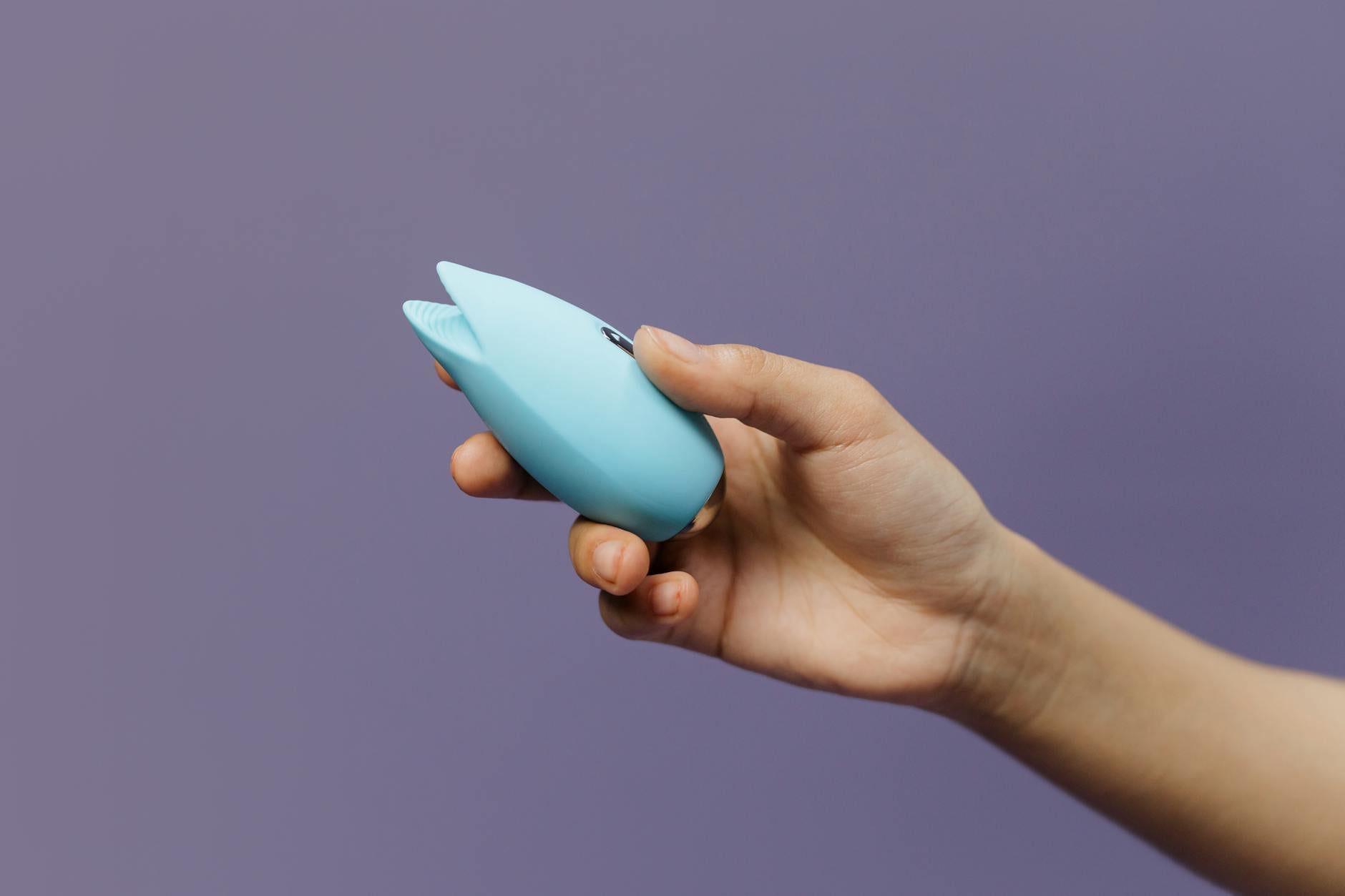
Here's what changes when someone's watching
There's a difference between solo pleasure and pleasure with an audience. Even if your partner is just sitting there, silent and supportive, your nervous system knows they're present. Your brain shifts from private exploration to performance. That shift is real, and pretending it isn't will make the whole thing feel awkward.
The good news: watching can deepen connection. It can also feel incredibly vulnerable. Both are true at the same time. Knowing which one you're leaning into makes all the difference.
The vulnerability part nobody talks about
Using a lemon vibrator or any clitoral toy with your partner present means they're seeing you in a state you might never have shown them before. They're witnessing exactly what gets you there, how long it takes, what sounds you make, what your face looks like when you're close to coming. That level of transparency can feel exposing in ways that regular sex doesn't.
Here's what I've noticed working with couples: the anxiety usually peaks about 30 seconds in. Your brain is screaming "What if I take too long? What if they're judging? What if I can't come now that they're watching?" Those thoughts are so loud they drown out everything else.
Then one of two things happens. Either you white-knuckle through it and fake an orgasm (which defeats the entire point), or you pause, reset, and build from a place of honesty instead.
Setting the frame before you start
Have a conversation when you're both clothed and not aroused. Seriously. The car ride home from dinner, the morning before work, whenever. This matters more than technique.
Tell your partner three things:
First, what you actually want from this. "I want to feel safe exploring this without pressure to perform." Or: "I want you to see how turned on I get." Or: "I'm curious but nervous and I need your patience." Whatever it is, be specific.
Second, what boundaries exist. Maybe you don't want them to touch you mid-experience. Maybe you want them closer than arm's length. Maybe you want to start fully clothed and remove layers gradually. These are all legitimate.
Third, what aftercare looks like. After an intense experience like this, you might want to be held, or have space, or talk about what happened, or all three at different times. Knowing this in advance means your partner won't misread your post-orgasm state.
The actual mechanics: starting a lemon vibrator with them present
When you're ready to begin, remember: slower is more erotic. You're not trying to get off fastest. You're showing them something intimate.
Start fully clothed if that helps. Use the lemon vibrator over your underwear or jeans. This creates a buffer that can make the experience feel less exposed while you're adjusting to their presence. Many people find this takes the pressure off immediately.
Turn on a low setting. Pattern 1 or 2. Not because you can't handle intensity, but because your nervous system needs time to settle. You're managing two things at once: arousal and the vulnerability of being watched. Lower intensity lets you focus on one at a time.
If your mind goes blank or anxious, tell your partner. "I'm nervous" or "I need you to look away for a second" are both fine. You're allowed to pause. This isn't a performance that needs to stay seamless.
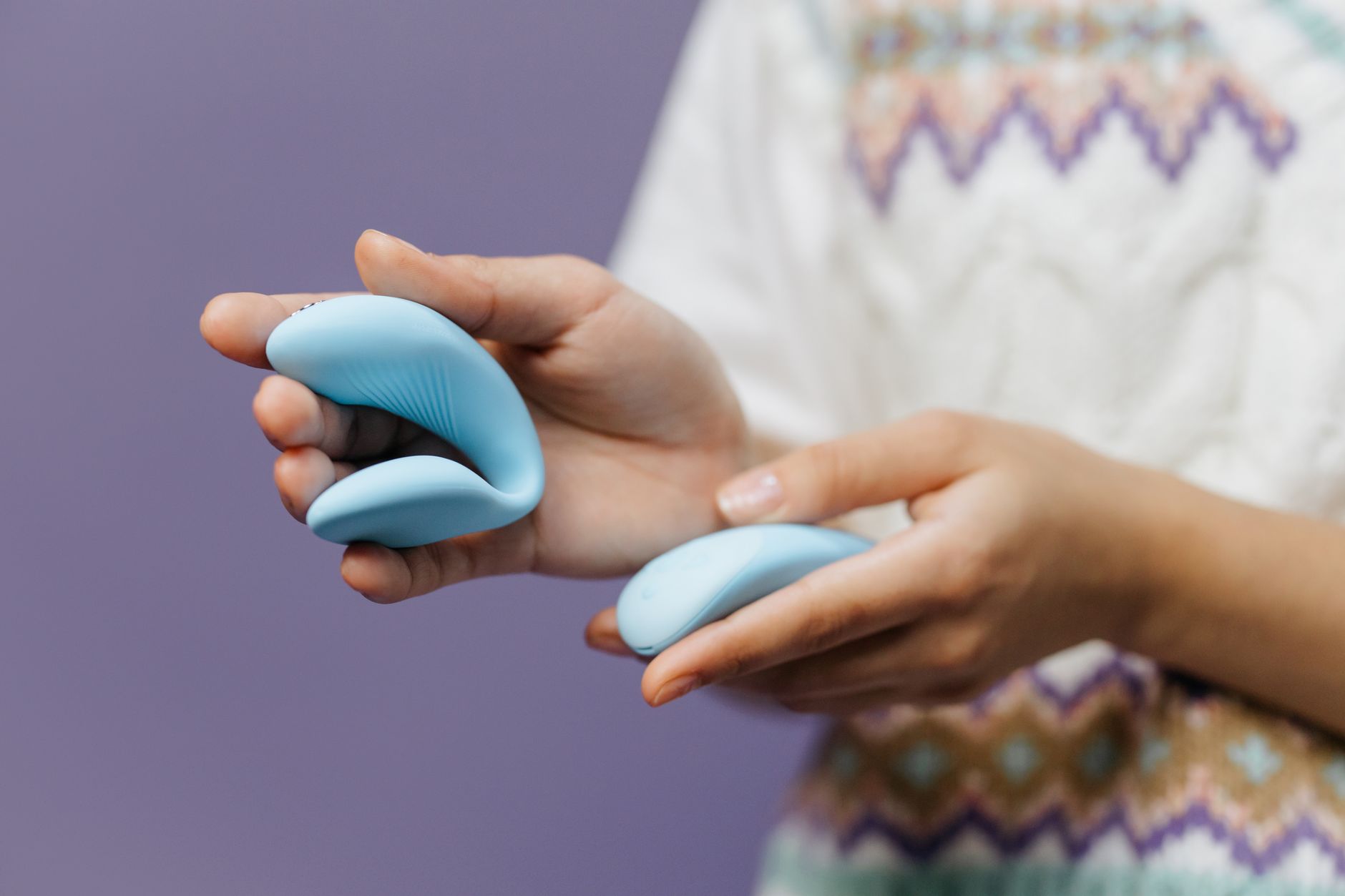 Photo by cottonbro studio on Pexels
Managing the mental loop
Your brain will try to narrate everything. "Are they enjoying this? Do I look weird? Am I taking too long?" This is the observer effect. You're watching yourself being watched, which fractures your attention.
One trick that actually works: focus on sensation, not appearance. What does the vibration feel like? Where exactly is the pressure landing? Is the rhythm matching your breathing? These questions anchor you back into your body instead of your head.
Another: ask your partner to do something. Not during, but during setup. "I'd like you to sit on the bed, facing me." Or: "Can you hold my hand?" Or even: "I'd like you to touch yourself too." Mutual engagement can paradoxically feel less exposing than being the only one experiencing pleasure. You're sharing the vulnerability.
When intensity builds
The closer you get to orgasm, the harder it is to stay aware of your partner's presence. That's actually the goal. You want to reach a point where the sensation is so absorbing that self-consciousness dissolves. Most people get there around 10-15 minutes in with a lemon clitoral vibrator.
If you notice yourself "putting on a show" instead of actually feeling, it's worth pausing and checking in. "I'm getting in my head a bit. Can we try X instead?" Maybe that's dimming the lights, maybe it's asking them to close their eyes, maybe it's switching positions.
There's no scenario where faking it serves anyone. Your partner wants to see you come, not a performance. And you deserve to actually feel what's happening.
After it happens
Most people are surprised by what comes next. You might feel incredibly close to your partner, or you might want space. You might feel energized, or deeply tired. You might want to laugh, or cry a little, or just sit in quiet.
All of these are normal. The intensity of being that vulnerable, especially for the first time with an audience, can trigger a genuine emotional response.
Let your partner know in advance what you're likely to need. If you're a "hold me" person, say that. If you're a "give me water and 10 minutes alone" person, that's equally valid. Knowing this prevents miscommunication when you're in a vulnerable state.
Some couples talk about the experience afterward. Others don't. There's no rule. What matters is that both of you feel respected.
The trust it builds
Here's something I've observed across years of working with couples: being seen at your most vulnerable, while remaining fully present and unapologetic, is one of the fastest ways to deepen trust and sexual confidence. You're essentially saying to your partner, "I trust you with this. And I trust myself." Both matter.
Using a lemon vibrator with your partner watching isn't about them getting off. It's about you reclaiming your pleasure as something powerful enough to share. That's the opposite of vulnerability. That's strength.
Frequently asked questions
What if I can't orgasm with them watching?
This is incredibly common, especially the first time. Performance anxiety is real. If it happens, pause and be honest. "I'm having trouble focusing." You could try again with the lights off, or try again another night, or shift to partnered sex instead. There's no failure here, just information about what works for your nervous system.
Can my partner help me use a lemon vibrator while watching?
Absolutely. They could hold it, guide it, or alternate between watching and participating. Communication before you start is crucial. Are you leading the pace or are they? What happens if you want them to stop or slow down? Establish these patterns before arousal clouds your judgment.
What if I feel self-conscious about how long it takes?
Organization takes time. Some bodies need 5 minutes, others need 20. Neither is wrong. Tell your partner in advance. "My body takes a while to warm up." Knowing this prevents them from interpreting slow arousal as disinterest.
Should we make eye contact the whole time?
No. Eye contact is intense and not sustainable for most people when they're experiencing high-intensity sensation. Let your eyes do what feels natural. Some people look away, some people close their eyes, some people watch their partner watch them. All are fine.
What if my partner looks uncomfortable?
Check in. "Are you okay?" This might mean they're not ready for this yet, or they need a different frame, or they need more reassurance. Discomfort is information. Use it.
Is there a "right" way to position myself?
Whatever position lets you feel grounded and accessible is right. Some people sit, some recline, some prefer to be on their knees. Your comfort matters more than aesthetics. Let your partner know what position you're choosing so they can adjust where they're sitting or standing.
The bigger picture
When you use a lemon clitoral vibrator with your partner present, you're not just exploring a sex toy. You're practicing radical honesty about your own pleasure. You're showing your partner that desire isn't something to hide. You're building the kind of trust that makes long-term intimacy actually sustainable.
Start small. Start clothed. Start with conversation. And remember that every couple's version of this will look different. There's no universal script. What matters is that you're both consenting, communicating, and genuinely interested in being present with each other.
Your pleasure deserves an audience. Specifically, the audience of someone who loves you.
If you're looking for more ways to deepen partnered intimacy, explore how a lemon vibrator can enhance deeper stimulation during partnered sex. Or if you're navigating new relationship dynamics, learn how to introduce toys when you're in a new relationship.