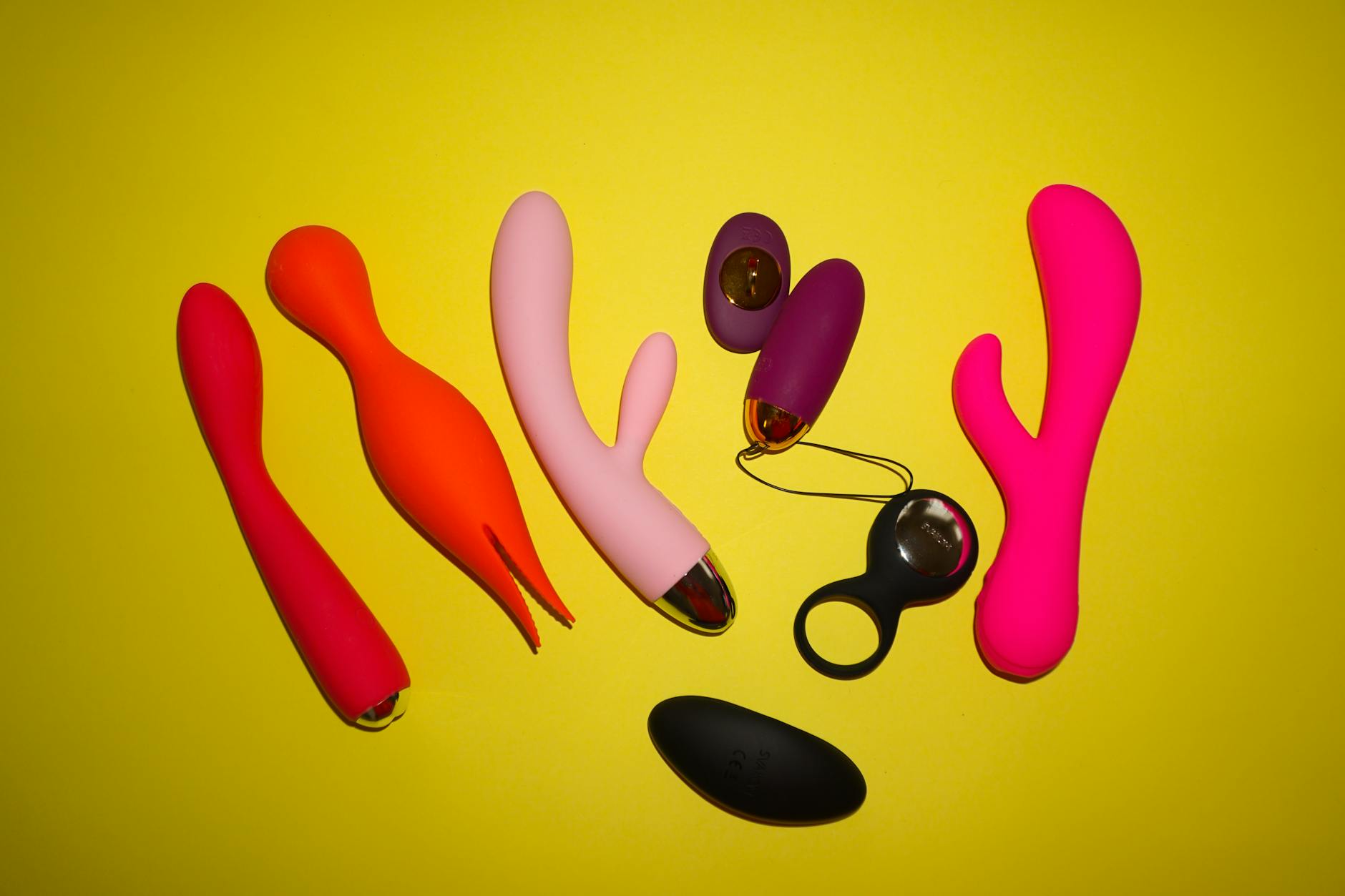
Let's talk about this honestly
Recovering from sexual trauma means rebuilding a relationship with your own body. That's not poetic language. That's the work. And honestly, for many survivors, that rebuilding includes pleasure. Not because you're obligated to, but because your body deserves to feel good again, on your terms, without pressure or rushing.
A clitoral vibrator like the Lemon can be part of that reclamation. But only if you use it with intention, control, and permission from yourself. Here's what that actually looks like.
Why control matters more than anything else
Trauma often lives in the body as a loss of agency. Someone else took control. Your nervous system learned not to trust what was happening to your body. So the first rule of using a lemon vibrator in recovery is simple: you are always in complete control.
That means starting with the lowest setting. It means being able to stop instantly. It means using it alone first, in a space where you feel absolutely safe. The physical sensation of a clitoral vibrator can be grounding and powerful, but only when you're the one deciding everything about the experience.
Many of my clients find that the suction pattern of a device like the Lemon feels different from traditional vibration. It's gentler, more diffused, less like an intrusion and more like a soft pressure. That subtle difference can make all the difference for someone rebuilding trust in their body.
Starting slow is not the same as going nowhere
There's a misconception that healing means going without pleasure for a while. That's not true. What healing means is giving yourself permission to explore pleasure without pressure, without rushing, and without anyone else's timeline.
I recommend starting with five to ten minutes, alone, with the device on the lowest setting. Not with the goal of orgasm. With the goal of simply noticing what feels neutral, what feels good, and what feels unsafe. Your body will tell you. Listen to it.
Some survivors find that gentle, sustained pressure on the clitoris helps them feel more grounded. Others prefer a light touch on the inner thigh first, moving slowly toward more direct contact. There is no wrong way. Your way is the right way.
What to do when you feel triggered
Triggers can come up during pleasure for trauma survivors. A smell. A sensation. A memory you thought you'd processed. This is normal. It doesn't mean you're broken. It means your nervous system is still learning that this space, this moment, this sensation is safe and chosen.
When a trigger arrives, stop. Put the device down. Ground yourself. Name five things you can see, four you can touch, three you can hear, two you can smell, one you can taste. Return to your breath. Your body. This moment. This space where you're safe.
If triggers happen repeatedly in the same context, pause that exploration for a while and work with a trauma-informed therapist. Pleasure shouldn't require pushing through distress. It should feel like something your body wants.
Building the nervous system back up
Trauma dysregulates your nervous system. Healing means learning to regulate it again. A lemon vibrator can actually help with this, because the sensation can ground you in your body and the present moment. But only if you're approaching it as a practice of reconnection, not as a performance.
Consistent, brief, positive experiences matter more than intense ones. Using the device for five minutes once a week in a state of calm is more healing than using it for thirty minutes once a month when you're already anxious about it. Your nervous system learns safety through repetition of good experiences.
If you're working with a therapist, you might mention this exploration. A trauma-informed therapist can help you notice what shifts in your nervous system as you reconnect with pleasure.
Using a lemon vibrator with a partner, if you choose
Some survivors choose to explore pleasure with a partner again after trauma. That's a separate conversation from solo exploration, and it needs even more communication and consent.
If you're with a partner and considering using a Lemon vibrator together, start with a conversation about what you need. Tell them exactly what you're comfortable with. Tell them what you're not. Tell them what you need them to do if you ask them to stop.
Many survivors find that external control matters. You might say, "I want to hold the device. I want to control when it's on and off." That's not rejection of your partner. That's self-protection. And a partner worth keeping will understand that.
Pleasure after trauma isn't about proving you're healed. It's about slowly, carefully, on your own timeline, learning that your body can feel good without fear.
The difference between pressure and permission
One of the most damaging myths about trauma recovery is the idea that you should "get back in the saddle" or push yourself past discomfort. That's not healing. That's retraumatization.
Healing looks like: I want to explore this. I'm choosing to do this. I can stop anytime. I feel safe right now. Your body doesn't need to prove anything to anyone.
If you find yourself using a lemon vibrator because you think you should, or because you're trying to be "normal again," pause. That's your nervous system telling you something isn't aligned. Listen to it.
When to work with professional support
If you're struggling with intimacy or pleasure after trauma, a trauma-informed therapist can be invaluable. Look specifically for someone trained in EMDR, somatic experiencing, or trauma-focused CBT. These approaches actually address how trauma lives in the body, not just in your thoughts.
Sex therapists trained in trauma also exist, and they can help bridge the gap between healing and pleasure in ways that general therapists sometimes can't. Your doctor can refer you, or organizations like RAINN can point you to local resources.
Using a clitoral vibrator as part of your healing is not a substitute for therapy. It's a tool. It's part of reclaiming your body. But the deeper work of processing what happened, of learning to trust again, of untangling shame from your nervous system. That often needs professional support.
A small closing thought
Recovery from sexual trauma is not linear. Some weeks you'll feel ready to reconnect with pleasure. Other weeks, the idea will feel too much. Both are okay. Your timeline is yours alone. There's no deadline for feeling good in your body again. When you get there, though, that feeling of safety and pleasure and control and choice. That's worth the patience it takes.
People also ask
Is it safe to use a vibrator if I'm recovering from sexual trauma?
Yes, but only in the way that feels right for you. The key is control. You choose when to use it, where, how long, and you can stop instantly. If you're working with a trauma-informed therapist, mention it. They can help you notice what your body is telling you.
What vibrator settings work best for trauma survivors?
Start with the lowest setting. The goal isn't intensity. It's gentle reconnection with sensation. Many survivors find that softer, diffused patterns feel safer than sharp vibrations. The Lemon's suction pattern can feel less invasive than traditional vibration for some people.
Can using a vibrator trigger trauma responses?
Yes, it can. That's normal and doesn't mean you're doing something wrong. If triggers come up, stop, ground yourself, and take a break. Work with a therapist on processing those moments. Pleasure shouldn't require pushing through distress.
How do I know if I'm ready to explore pleasure after trauma?
There's no checklist. But some signs: you feel generally safe in your body most days, you're not in acute crisis, you're curious rather than pressured, and you have professional support available if needed. If you're unsure, ask your therapist.
Should I tell my partner about using a vibrator during recovery?
That depends on your relationship and what feels safe to you. If you're in a committed partnership, communication usually helps. But you don't owe anyone access to your private healing. That choice is entirely yours.
What if I never feel interested in pleasure again?
Some survivors find that pleasure returns slowly over time. Others find that their relationship to pleasure shifts entirely. Both are valid. Work with a trauma-informed therapist to understand what your body is telling you. There's no "should" here.