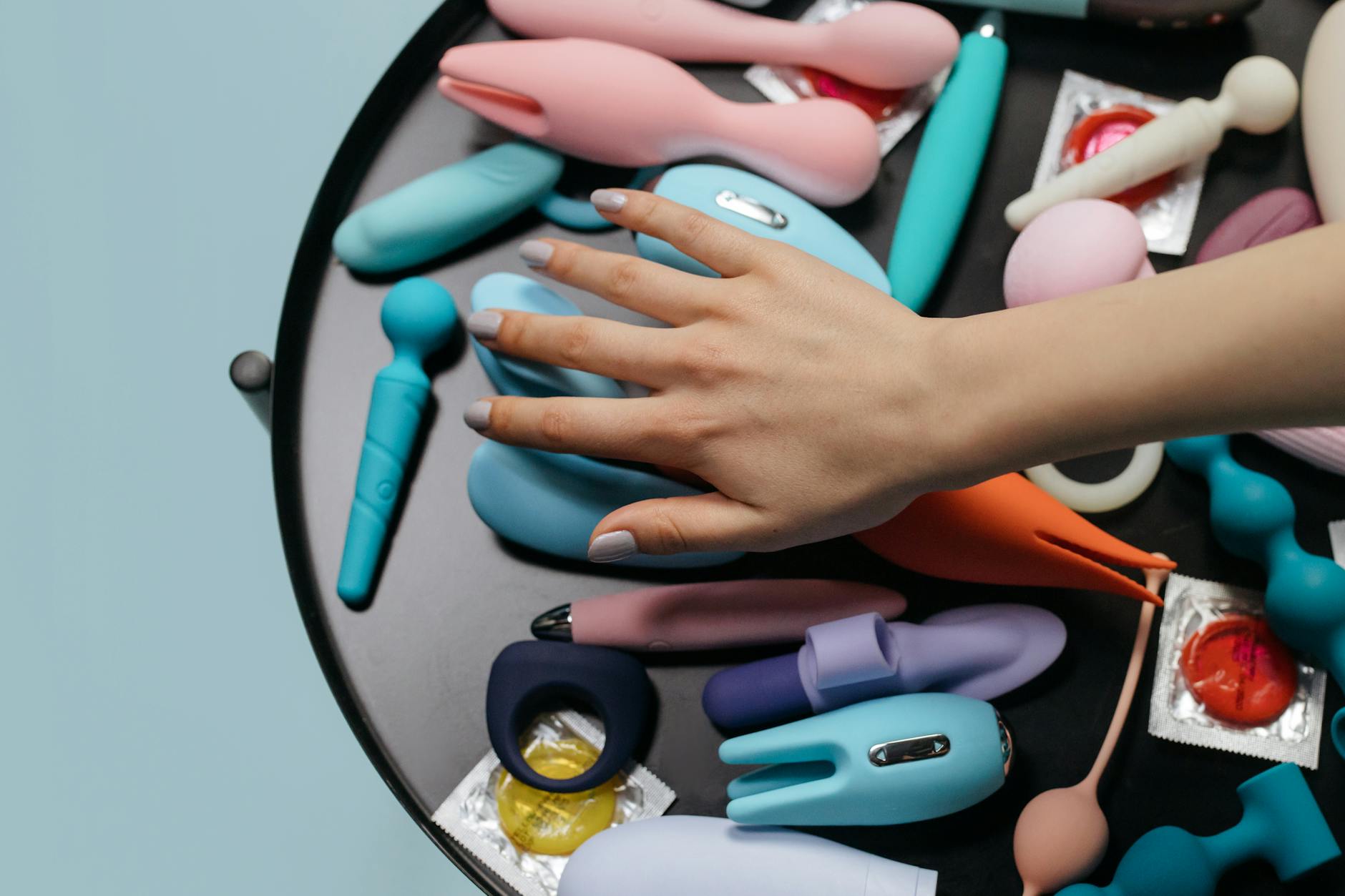
Here's what nobody tells you about sensation returning
Numbing happens slowly. You don't wake up one day and think "I've gone completely numb." Instead, pleasure just gets quieter. A touch that used to make you gasp becomes background noise. An orgasm feels like something that happens to you instead of something you're actually experiencing. Then one day, maybe months or years later, you feel a spark. A real one. And suddenly you're aware of how long you've been asleep.
That moment is vulnerable. And if you're not careful, you can accidentally shut it back down.
Why numbness happens in the first place
Emotional detachment, depression, long-term stress, relationship disconnection, medication side effects, or even just years of the same routine can all trigger what I call "pleasure fading." Your body doesn't stop being capable of sensation, but your brain stops processing it as significant. It's a protective mechanism, honestly. When intimacy feels unsafe or irrelevant, your nervous system turns down the volume.
The good news: sensation doesn't disappear permanently. It goes dormant. And when it starts to wake up again, you need to treat that waking like the delicate process it is.
The problem with jumping straight back in
Lots of people, the moment they feel that first spark of desire again, try to go full-intensity. They think they need to make up for lost time or prove they're "fixed." So they grab whatever vibrator is lying around, crank it to maximum, and expect their body to respond like it's 2015.
Instead, they overwhelm their nervous system and accidentally push the numbness back down.
I see this pattern constantly in my practice. Someone finally feels ready to reconnect with pleasure, they push too hard too fast, and then they're convinced the numbness is permanent. It's not. They just went about 80% too intense, too soon.
Why lemon vibrators work when you're coming back from numbness
Lemon clitoral vibrators, specifically those that use suction rather than direct vibration, are gentler on the reawakening nervous system. Here's why: direct vibration can feel overwhelming when your sensory pathways are just starting to wake up. Suction, by contrast, creates a gradual build of sensation that your body can process in stages.
Think of it like slowly turning up the volume instead of blasting a speaker. Your nervous system gets time to register each stage of pleasure without getting flooded.
Also, the concentrated nature of lemon suction tools means you can feel subtle differences in intensity. You're not dealing with a wand that buzzes at one speed. You have control. And control matters when you're rebuilding trust in your own body.
Starting small: the first week back
When sensation is returning, your goal is not orgasm. I know that sounds backwards, but stay with me. Your goal is to practice noticing. That's it.
Take your Lemon Vibrator, set it to pattern 1 (the gentlest setting), and spend 5 to 10 minutes just observing what you feel. Not trying to feel something. Just noting what's already there. A tingle. Warmth. Pressure. Nothing at all. All of it is data.
Do this for three to five days before you even consider moving to a slightly higher intensity. This isn't slow because you're broken. It's intentional because your nervous system needs time to recognize what's happening.
The middle ground: building without pushing
After that first week, you can start exploring patterns 2 and 3. Still not chasing orgasm. Still just noticing.
Here's a real difference between where you are now and where you were before numbness: you have permission to feel pleasure without it leading anywhere. Not every session needs to end in climax. In fact, most shouldn't, right now. You're retraining your body to recognize sensation as valuable on its own.
Many of my clients find that when they stop demanding an orgasm, orgasms actually return faster. Because the nervous system relaxes. When your brain isn't anxious about whether you're going to come, your body can focus on what's actually happening.
What to do if sensation stalls out
Some people find that after a few weeks, the intensity stops increasing. The feelings plateau. This is normal and not a sign that you've hit a ceiling forever.
When sensation plateaus, the most effective move is usually to change context, not intensity. Try a different time of day. Try a different location. Try exploring solo versus with a partner, if that applies to you. Sometimes a nervous system needs novelty to wake all the way up.
You can also check in with other factors: Are you sleeping enough? Drinking water? Moving your body? These aren't mystical. They directly affect your nervous system's capacity to register sensation. Someone who's sleep-deprived and dehydrated is going to feel less, period.
When to bring a partner into the equation
If you're in a relationship, the question of when and how to involve your partner can feel loaded. Here's my framework: only after you've spent at least two to three weeks rebuilding solo. Why? Because your partner's presence changes your nervous system. Vulnerability with another person is different from solo exploration. You need a baseline of comfort with your own body before you add that layer.
When you do bring a partner in, tell them what you're doing. Not in a clinical way. Something like: "I'm working on reconnecting with my body. I'd love to have you nearby, but I'm taking it slow." Let them watch. Let them learn what patterns you're using and why. This isn't exclusion. It's inclusion with boundaries.
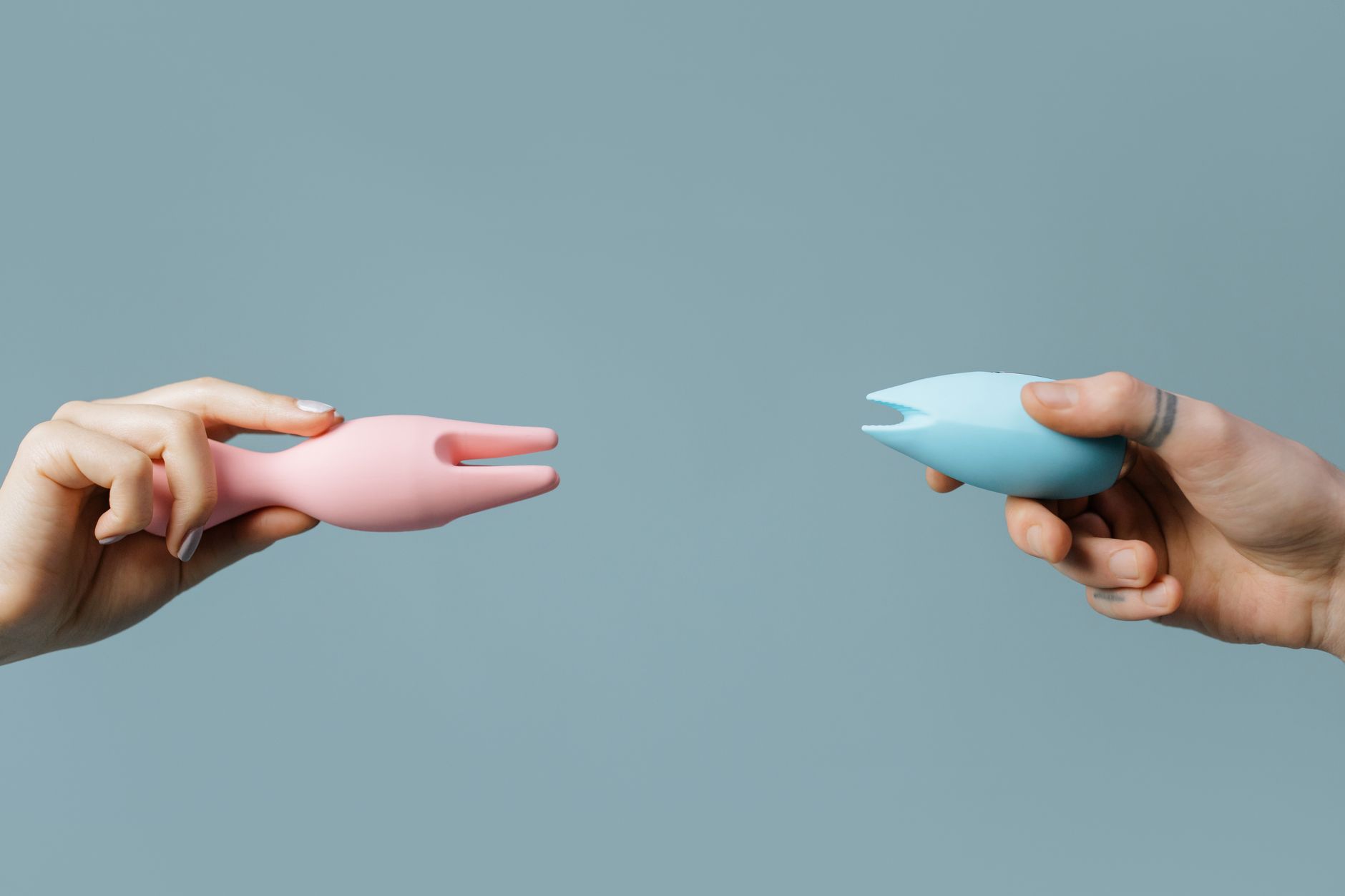
Photo by cottonbro studio on Pexels
The role of lubrication
Water-based lubricant is not optional here. Even if your body used to self-lubricate easily, numbness sometimes comes with dryness. Add lubricant regardless. It removes friction (both literal and psychological) and lets you focus purely on sensation.
Also, using lubricant is a small ritual that signals to your nervous system: "This is intentional. This is safe. This is for me." Those signals matter.
Why patience actually works
I know patience sounds like the worst advice when you finally feel desire again. You want to make up for lost time. But your nervous system doesn't care about calendar time. It cares about safety signals.
Every time you avoid overwhelming yourself, every time you honor what your body is actually feeling instead of what you think it should feel, you're sending your nervous system a message: "You're safe here. Pleasure is safe." That message compounds. Week three feels different than week one, not because your body changed, but because your brain stops bracing for disappointment.
The emotional piece (because it's always there)
Sensation doesn't return in isolation. As your body starts to feel again, emotions usually show up too. Grief about the time you lost. Anger that you went numb. Sometimes joy that feels almost fragile. Let all of it be there. You don't need to resolve it or process it perfectly. Just let it exist alongside the physical sensation.
If emotions feel overwhelming, that's also normal and worth mentioning to a therapist. Sensation and emotion are wired together. Waking one up often wakes the other. That's not a sign you're doing something wrong.
How long until things feel "normal" again
Honestly? Depends on how long you were numb and why. For some people, genuine sensation returns in four to six weeks. For others, it takes three to four months. And the timeline isn't linear. You'll have days where you feel everything and days where you feel almost nothing. Both are part of the process.
Stop measuring yourself against how you felt before numbness. That baseline doesn't matter anymore. What matters is whether you're trending toward more sensation, more presence, more aliveness. Progress is the metric, not speed.
A note on when to seek support
If numbness was caused by depression, trauma, or medication, reconnecting with pleasure might stir things up. That's not a reason to stop. It's a reason to have support in place. A therapist, a trusted friend, a partner who gets it. Someone you can check in with as sensation returns and emotions surface.
Physically, if pain shows up during this reconnection process, pause and talk to a healthcare provider. Pain is different from numbness and requires a different approach.
FAQ: Sensation returning after numbness
How do I know if I'm moving too fast when using a lemon vibrator?
Your body will tell you through tension. If you notice your jaw clenching, your pelvic floor tightening, or that you're holding your breath, you've gone too intense. Drop back to a lower pattern and breathe. Pleasure shouldn't require you to brace.
Is it normal to feel nothing for several sessions even after numbness starts lifting?
Completely normal. Sensation doesn't turn on like a light switch. You might have a session where you feel everything, then three sessions where you feel almost nothing, then suddenly it's back. Your nervous system is learning a new pattern. This variability is part of that learning.
Should I stop using lemon vibrators if I'm on antidepressants or anti-anxiety medication?
No. Medication can affect sensation, but using tools to explore your body is still valuable. Talk to your provider about whether your medication might be dulling sensation, but don't assume pleasure is off-limits. Many people reconnect with sensation while on medication. It just might take longer.
Can numbness come back if I push too hard too fast?
Not permanently, but yes, it can temporarily. If you overwhelm your nervous system, it might dial sensation back down as a protection. That's why the slow approach matters. It's not about being weak or broken. It's about working with how your nervous system actually functions.
What's the difference between numbness and low sensation that's just how my body is?
Numbness is a change from your baseline. If sensation has shifted from where it used to be, that's numbness. If you've always had lower sensation and you're looking to explore that, different approach applies. The long-tail angle here is specifically about return, not baseline. If you want to explore lower sensation more deeply, that's a separate conversation.
How do I talk to my partner about why I'm taking things slowly with pleasure after numbness?
Clear, specific, and without apology: "I'm rebuilding how I experience pleasure. That takes time and low pressure. I'd love your support, which looks like being patient while I explore at my own pace." Most partners respond better to honesty than to vague distance.
The thing about coming back
Sensation returning isn't just a physical event. It's an emotional one. It's evidence that your nervous system is healing, that safety is being restored, that aliveness is possible again. That matters. Honor it. Move slowly. Use tools like lemon clitoral vibrators that work with your nervous system instead of against it. And trust that pleasure isn't something you lost forever. It was always there. You're just learning how to feel it again.