Let's talk about the strange part nobody mentions
Divorce rewires how you feel about your own body. You've spent years — maybe decades — relating to touch as something negotiated, compromised, or performed for someone else. Your pleasure wasn't just yours anymore. It was tied to another person's need, timing, mood, or presence. Then suddenly, it's quiet. You're alone. And your body feels like it belongs to a stranger.
This is the part where people tell you to "take time for yourself" or "prioritize self-care," which sounds nice and means almost nothing when you're standing naked in your own bathroom feeling disconnected from your own skin.
Here's what I see in my practice: rediscovering pleasure after divorce isn't about confidence. It's about permission. And it's not always intuitive.
Why your body might feel unfamiliar
Three things happen after divorce that change how sensation works.
First, there's the nervous system reset. Your body spent years in a particular relational pattern. You learned to dampen arousal, or heighten it on schedule, or perform it convincingly. Your nervous system is incredibly adaptive. It learned the rhythm of your marriage and built pathways around it. When that structure disappears, those pathways need to recalibrate. This takes time and can feel disorienting.
Second, there's the permission gap. Even if your marriage was good, you were still managing another person's expectations and desires. Now that's gone, and many people find that they don't actually know what they want sexually. You might discover you want something completely different when no one else's preference is in the room.
Third, there's grief. Even when divorce is the right choice, your body doesn't immediately know that. Touch, pleasure, and sexuality were woven into your identity as a married person. Accessing those parts of yourself can trigger unexpected sadness or anger. That's not weakness. That's healthy processing.
Why lemon clitoral vibrators work particularly well right now
I recommend lemon vibrators to post-divorce clients more than any other tool, and it's not random.
Unlike traditional vibrators, which require you to actively guide stimulation, suction toys like the Lem operate differently. The sensation is indirect. It creates a pressure and release pattern that mimics the physical response your body might have with a partner, but entirely under your control. You set the intensity. You control the pattern. You stop whenever you want.
This matters psychologically. After divorce, control matters. Your body was shared for years. Having a tool that responds only to your intention, without negotiation or compromise, is genuinely healing.
Second, the sensation itself is gentler on bodies that have been tense or guarded. If you've spent years dampening arousal or holding tension in your pelvic floor, direct vibration can feel too intense or overstimulating. Suction creates a building sensation that allows your nervous system to gradually recalibrate. It doesn't force pleasure. It coaxes it.
Third, the discomfort threshold is lower. You can start at the gentlest settings on a lemon sucker and build up as your body remembers what responsiveness feels like. Many of my clients report that starting with the lowest pattern on a Lem felt revelatory. Not overwhelming. Just... present.
How to actually begin
Here's the protocol I walk people through.
Week one: just exploration. Don't use the toy yet. Spend 15 minutes with your body with no goal. Hand lotion, no clothes, no pressure. Notice what sensations feel good. Notice where you hold tension. This sounds basic, but most post-divorce clients haven't done this. Your body needs to remember that touch can be information, not performance.
Week two: toy introduction, no expectations. Hold the Lem, turn it on at the lowest setting, and explore without trying to reach any outcome. This is not foreplay. This is research. Pay attention to which patterns feel soothing versus stimulating. Notice what rhythm your body prefers. Many clients find that the gentler patterns feel more satisfying than the intense ones at first.
Week three onward: building a rhythm. Once you've found patterns that feel good, you can build a regular practice. This isn't about orgasm, though that might happen. It's about establishing a relationship with your own pleasure that isn't goal-oriented. Some of my clients use lemon clitoral vibrators as a way to decompress after a hard day, similar to how you'd use meditation. Others use them to reconnect with arousal on their own terms.
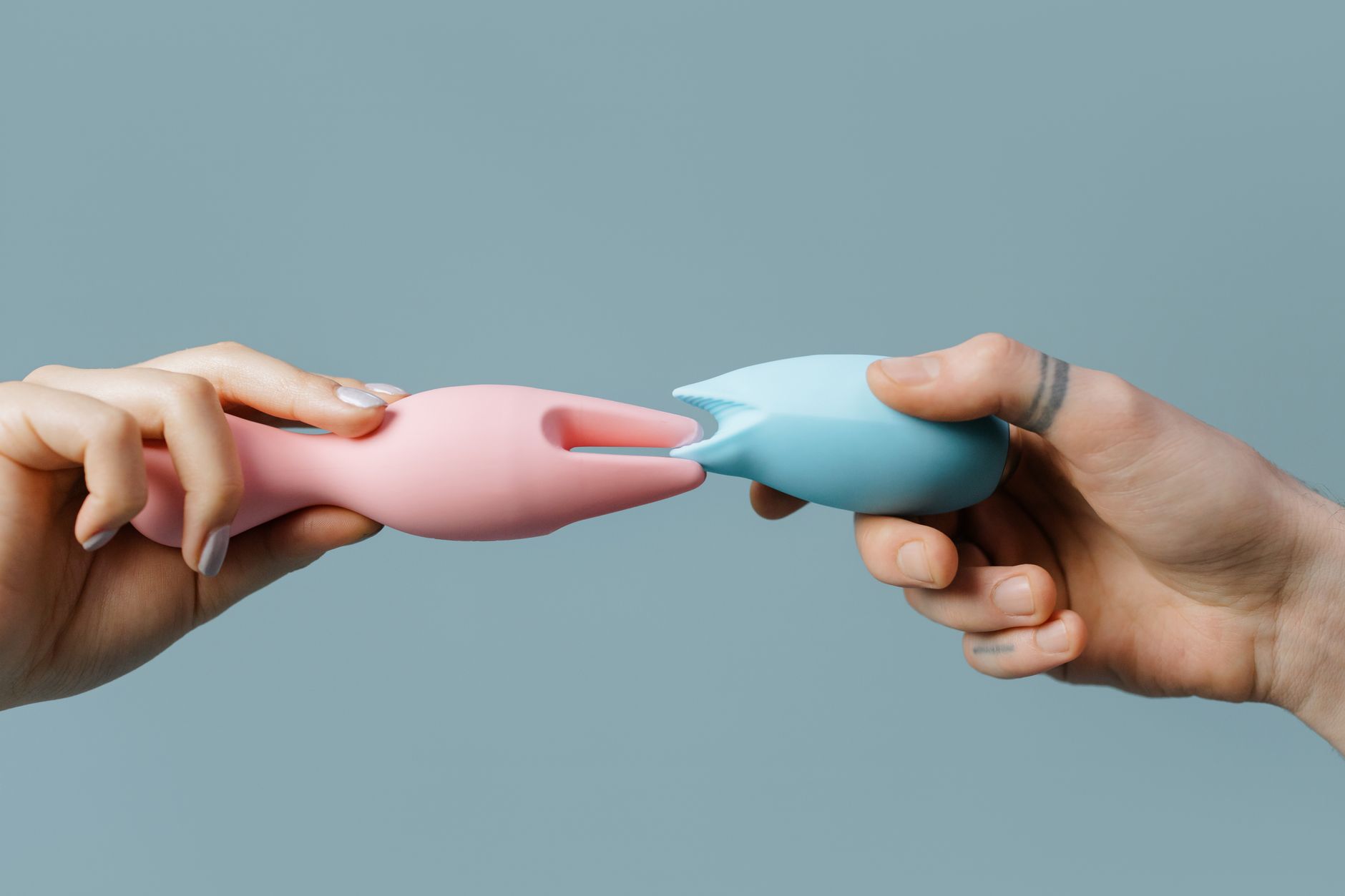
Photo by cottonbro studio on Pexels
The emotional work that matters more than the tool
This is where I need to be honest. The toy is helpful, but it's not the main event.
After divorce, many people carry guilt about pleasure. You might feel like wanting sexual satisfaction means you didn't grieve enough, or that you're moving on too fast, or that you're betraying the relationship even though it's over. These feelings are common and they're worth examining, not ignoring.
When you're using a lemon vibrator (or any tool for self-pleasure), you might encounter resistance. A voice that says this is selfish, or lonely, or proof that you're broken. That voice isn't truth. It's internalized messaging from your marriage, from culture, or from fear.
I recommend working with that voice gently. When it shows up, pause. Breathe. Acknowledge what it's protecting you from, then make a conscious choice to continue. This isn't about powering through. It's about reclaiming agency.
Many of my clients find that using a lemon sucker becomes a form of self-trust rebuilding. You're learning that your body knows what it wants, that you can listen to it, and that you can follow through on that listening without needing permission from anyone else.
What to expect emotionally
Some clients report that pleasure returns quickly. Others find that it takes months of consistent practice before sensation becomes reliable and enjoyable again.
Both are fine. There's no timeline for this. You're not behind or ahead.
You might also notice that rediscovering pleasure helps with the larger grief work of divorce. It's not because sex fixes everything. It's because pleasure is an antidepressant, a nervous system regulator, and a concrete reminder that joy is still available to you. That last part matters more than you might think.
If you've been divorced for a while and pleasure still feels inaccessible, that's worth exploring with a therapist. Sometimes post-divorce numbness has emotional roots that need attention, not just a tool.
Setting realistic expectations about orgasm
Here's the thing almost no one says plainly: you might not orgasm for a while after divorce, and that's not a problem.
Your body learned to come in a particular relational context. That context is gone. Your nervous system might need time to build new pathways. If you go into using a lemon vibrator expecting orgasm, you'll likely feel disappointed.
Instead, go in expecting sensation. Go in expecting to learn something about your own response. Go in expecting to spend time with yourself without goal. Orgasms often follow from that foundation, but they're not the point.
Many of my clients report that their first post-divorce orgasms came after weeks of no-pressure exploration. That's normal. Your body isn't broken. It's recalibrating.
The larger permission you're actually reclaiming
Using a lemon vibrator after divorce is simple. It's also deeply political.
You're reclaiming the right to prioritize your own pleasure without negotiating it. You're establishing that your body belongs to you, fully and without condition. You're learning that sexual satisfaction doesn't require another person or anyone's approval.
This sounds basic. In practice, it's revolutionary for many people.
If you're just starting this journey, be patient with yourself. Rediscovering pleasure after divorce isn't about rushing to feel good again. It's about slowly, carefully, and consciously rebuilding trust in your own body. That trust is worth protecting. Once you have it, it changes everything.
Frequently asked questions
How soon after divorce should I start exploring pleasure again?
There's no universal timeline, but I typically recommend giving yourself three to six months for the acute shock to settle before intentionally engaging with self-pleasure. That said, if you feel curious or interested before then, that's valid too. The goal is conscious choice, not waiting for permission.
Will using a lemon vibrator make it harder to have sex with a future partner?
No. In fact, understanding your own pleasure through solo exploration often makes partnered sex better because you know what you like and can communicate it clearly. Solo pleasure and partnered sex use different parts of your nervous system. One doesn't diminish the other.
What if I don't feel anything when I use it?
Numbness is common after divorce, especially if there's been significant stress or grief. Start with the gentlest settings and take your time building sensation. If numbness persists for months, that's worth discussing with a therapist. Sometimes post-divorce numbness has emotional roots that need attention.
Should I feel weird about this being solo pleasure and not partnered?
That discomfort often comes from internalized messaging that sex should always involve another person. Pleasure is yours first, always. Partnered pleasure is bonus. Solo exploration teaches your body what you like and helps you trust yourself again. That's not lonely. That's foundational.
Is there a difference between using a lemon vibrator for pleasure versus for stress relief?
Not really. Your nervous system doesn't distinguish between these. Pleasure activates your parasympathetic nervous system, which is the system responsible for rest, digestion, and recovery. Whether you're exploring sensation, seeking orgasm, or just decompressing, the physiological effect is similar. What matters is your intention and attention.
What if I feel guilty about pleasure after divorce?
That's worth examining with a therapist, but briefly: guilt often signals that you're transgressing some internalized rule. After divorce, many of those rules no longer apply. Your pleasure doesn't betray your marriage. It honors yourself. Guilt can soften as you practice reclaiming this right repeatedly.