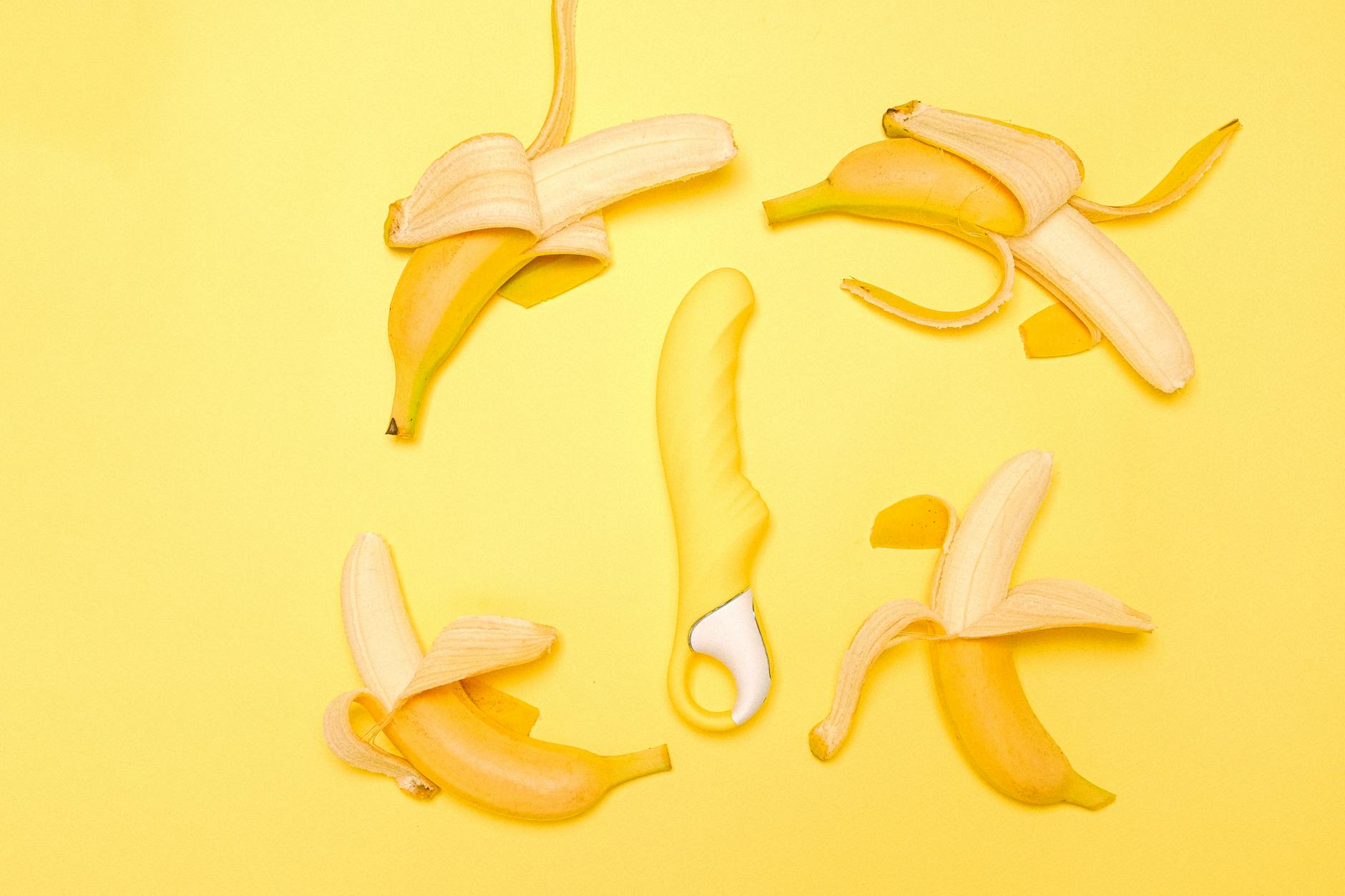
Here's what nobody tells you about sex after a breakup
Your body isn't the same as it was. Not because anything's broken, but because your nervous system has been through something. For months or years, your body learned to respond to one person's touch, one person's rhythm, one person's presence. Then that presence vanished. And now, when you touch yourself, your mind keeps waiting for someone else to show up.
This is normal. And it doesn't mean you're broken or that you've lost your capacity for pleasure. It means you need to rebuild your relationship with your own desire on different terms.
Why solo pleasure matters differently right now
After a breakup, self-pleasure isn't just about orgasm. It's about reclaiming agency. For years, your pleasure may have been intertwined with accommodation, anticipation, or attunement to someone else's needs. Now you get to ask: what do I actually want? What feels good when there's no one else in the room?
This distinction changes everything. Solo exploration becomes less about the destination (the orgasm) and more about the conversation you're having with your own body. A tool like the Lem works particularly well for this because it focuses the stimulation in a way that doesn't require mental gymnastics. You're not imagining someone else. You're just there, present, with clear sensation.
The other thing: breakups often tank libido temporarily. Grief suppresses dopamine. Shame or anger can block arousal. A clitoral vibrator like the Lem can help your nervous system remember what pleasure actually feels like, without requiring you to manufacture desire from nothing.
Starting again when touch feels unfamiliar
If it's been a while since you've had any kind of sexual sensation, your first solo session with a lemon vibrator doesn't need to be about performance. Think of it as reintroduction.
Start with the lowest setting. The Lem's suction mechanism is gentler than you might expect, but if your body has been "offline" for a few months, even gentle can feel intense. Spend 10-15 minutes just exploring. What patterns feel good? Does suction appeal more than vibration? Do you like sustained pressure or rhythmic pulses?
The goal here isn't to come. The goal is to gather information. Your body is telling you what it needs, and you're finally listening without another person's preferences in the equation.
Honestly? That shift alone can be deeply healing.
When shame or anger shows up mid-session
This is incredibly common. You're touching yourself, sensation builds, and suddenly you feel: guilt (because you're with someone new in your head), anger (because your ex would have been better at this), or sadness (because sex used to feel different). These feelings don't mean stop. They mean pause.
Set the vibrator down. Breathe. Notice what came up. If it's grief, sit with it for a minute. Grief and pleasure can actually coexist. If it's shame, remind yourself: your body is yours to explore. Full stop. No one gets a vote.
Then decide: do you want to continue, or do you want to stop? Both are completely valid. If you continue, the stimulation often helps your nervous system discharge whatever was stuck. If you stop, that's self-respect.
I've worked with many clients who found that solo pleasure became a form of emotional processing after a split. The orgasm itself isn't the point. The body's release is.
Building a rhythm that feels like yours
One thing I notice with people rebuilding solo practice after a long relationship: they sometimes fall into old patterns. The same position, the same pace, because that's what their body learned.
Give yourself permission to be weird. Try the Lem in a position you've never tried. Experiment with patterns 3 and 5 instead of the one that came naturally. Your body doesn't owe your ex's muscle memory anything.
The Lem's range of intensities is actually useful here because it lets you play without committing. You're not locked into one speed. You can explore what feels good on a Tuesday at 11 p.m. knowing that Wednesday might be totally different. That variability? That's freedom.
Set aside time that feels sustainable for you. For some people that's twice a week. For others it's whenever the mood lands. There's no quota. But consistency helps. Your nervous system learns: this time is for me. This is safe. This is mine.
When you're not sure if you're ready yet
Sometimes the block isn't physical. It's that you don't feel ready to reclaim pleasure because pleasure still feels entangled with the person who left.
That's a conversation to have with yourself, not something a vibrator can fix. And it's worth actually feeling that, rather than forcing it.
But if you're 70% ready, or 60% ready, the Lem can be a gentle bridge. It doesn't ask anything of you except presence. It doesn't want anything back. It has no expectations about how you should respond. That simplicity is often exactly what a nervous system needs after a split.
The difference between solo play and partnered play
As you rebuild, you might notice that solo pleasure and sex with a partner feel radically different. That's not a problem. Many people find that rediscovering solo pleasure actually makes them clearer about what they want with someone else later on.
When you've spent time alone with the Lem, you know your body's patterns. You know what rhythm builds sensation. You know whether you like direct pressure or broader stimulation. That information is valuable. It's not something you have to compromise on or explain when a new partner eventually enters the picture.
Right now though, the focus is just on you.
FAQ
How soon after a breakup should I start using a clitoral vibrator again?
There's no timeline. Some people need a few weeks of distance. Others need months. The cue is usually internal: do you want to feel pleasure again, or does the thought of any sexual sensation still feel painful? If it's the latter, that's okay. If it's the former, a lemon vibrator can help bridge the gap between grief and sensation without pressure.
What if I feel guilty using a vibrator after my breakup?
That guilt often isn't about the vibrator. It's about the shift in ownership. You're claiming your pleasure as yours alone, and that can feel transgressive if you've spent years framing it as something shared. Sit with that feeling. Your body deserves attention regardless of your relationship status. The guilt passes faster than you think.
Can a lemon vibrator help with numbness or low sensation after a breakup?
Yes. Breakups can dull sensation because your nervous system is in a protective state. The Lem's suction mechanism is specifically designed to draw sensation to the surface without harsh friction. Many people find it reawakens feeling more gently than other toys, which can be exactly what you need when you're rebuilding.
Should I use a lemon vibrator solo or wait until I have a partner again?
Both work. But solo exploration first actually has advantages. You're learning your body without the variable of someone else's presence. That knowledge becomes an asset, not something you have to relearn later. Plus, there's something powerful about touching yourself with intention when you've just reclaimed autonomy.
What settings should I use on the Lem if I'm new to it after a breakup?
Start on pattern one or two. Your body might be sensitive to any stimulation right now, and that's normal. Work your way up to higher settings only if you want to. Many people find they prefer the gentler patterns during this rebuilding phase because they allow for longer, slower exploration without overwhelming sensation.
How do I know if I'm using the clitoral vibrator to heal or to avoid feelings?
It's not an either-or. But the check-in is simple: afterward, do you feel more connected to your body, or more numb? If you feel present and maybe a little tender (which is normal), you're likely healing. If you feel like you've checked out or are using it to escape pain, that's information too. You don't have to quit. But it might be worth pairing solo play with other forms of self-care: journaling, therapy, time with friends.
Rebuilding is not linear
Some days solo pleasure will feel amazing. Other days it will feel hollow. Both are part of the process. You're not just rediscovering physical sensation. You're rebuilding trust with yourself. That takes time, and it's worth taking slowly.
A tool like the Lem can be part of that. It holds space for you to explore without judgment, without performance, without anyone else's needs in the equation. That simplicity is its own kind of intimacy. And right now, intimacy with yourself is exactly what matters.
Ready to rebuild? Start by getting curious about what your body needs. The rest follows. If you have questions about how to navigate this phase or want to talk through what solo pleasure might look like for you, reach out to our team at contact.