Let's name the elephant in the room
Erdile dysfunction lands like a grenade in the middle of intimacy. One partner suddenly feels broken. The other feels responsible. You're both walking on eggshells around sex instead of enjoying it. And the harder you both try to fix the performance problem, the worse it gets. Sound familiar?
Here's the thing nobody tells you: ED doesn't have to mean the end of good sex. It actually means you get to redesign intimacy from the ground up. And that redesign, when you do it right, often ends up deeper and more connected than what came before.
How erectile dysfunction actually changes the picture
ED is a circulation and neurological issue. It's not about desire. It's not about attraction. It's a physiological glitch that feels catastrophic because we've built our entire model of partnered sex around one specific body part doing one specific thing. The moment that fails, we assume everything else fails too. That assumption is the real problem.
When you're both stuck on "making him hard enough for penetration," you're in what researchers call performance anxiety mode. Both of you are spectating instead of participating. You're checking a box instead of building sensation. That anxiety makes ED worse, which increases anxiety, which makes ED worse. Vicious cycle.
What actually helps is a radical pivot: stop treating erection as the main event and start treating it as optional scenery.
Why clitoral suction changes the dynamic
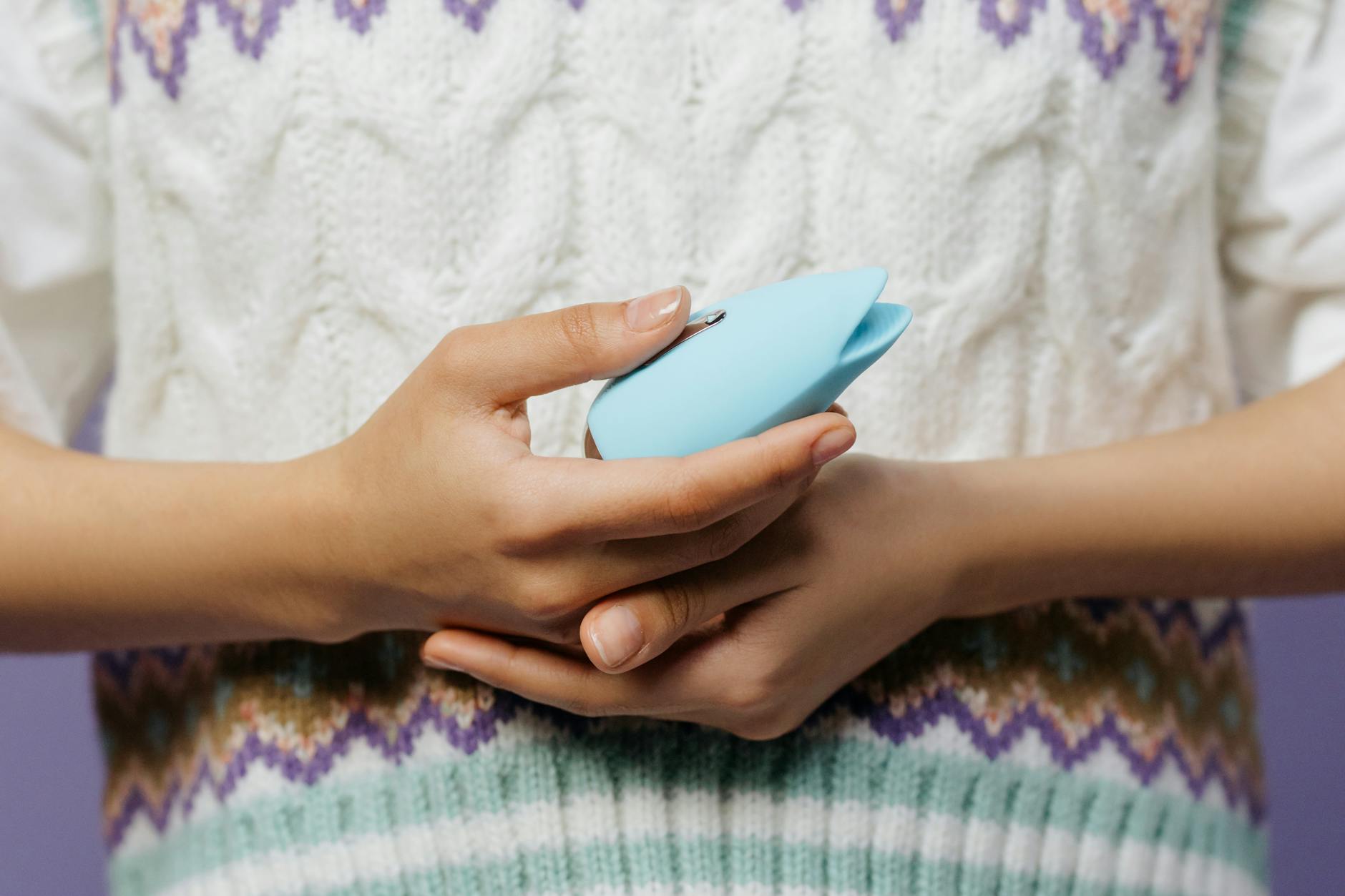
A lemon vibrator or other clitoral suction toy is perfect for this pivot because it does something penetrative toys can't: it puts your pleasure front and center without requiring his erection as the entry point.
Think about what happens physiologically. You're getting direct, reliable stimulation. You're building toward your own orgasm. He's not performing. He's participating. He's watching you respond, touching you, being present. This isn't a workaround. It's actually a better way to build mutual arousal than the performance script you've been running.
For a lot of couples, this is the first time they've both experienced sex where neither person is worried about maintaining an erection. The pressure drops. Ironically, when the pressure drops, many partners find their ED improves or disappears entirely. Not because they're trying to fix it, but because they're not thinking about it.
The conversation that needs to happen first
Before you introduce the lemon vibrator into the bedroom, you need to have a conversation that isn't about the toy. It's about permission.
He needs to hear: "I want this because I want to feel good, and because I want us both to enjoy intimacy together. This isn't about fixing you. You're not broken."
You need to hear: "I'm open to trying something different because I want us to connect. I'm not keeping score. Pleasure is the goal, not a specific outcome."
That might sound like a script, and it kind of is. But saying it out loud matters. It reframes the entire situation from "you have a problem" to "we're exploring together." That distinction is everything.
How to integrate the lemon vibrator into foreplay
Start with him involved from the beginning. Not him doing something to you while holding the toy. Him holding the toy while touching you everywhere else. His hands, his mouth, his body close to yours. The vibrator is part of the experience, not the replacement for him.
Begin with lower patterns. The Lemon vibrator has multiple intensities for a reason. Start at pattern 1 or 2 and build from there. Longer warm-up time (15-20 minutes of foreplay before you even introduce the toy) means more arousal and more sensitivity everywhere, not just at the clitoris.
This is crucial: tell him what feels good. Guide him. Not in a corrective way, but as information he needs to please you. Most partners have no idea what actually works because the performance script didn't leave room for that conversation. Now there's space for it.
If his erection comes back during this process, great. If it doesn't, that's fine too. The pleasure continues regardless.
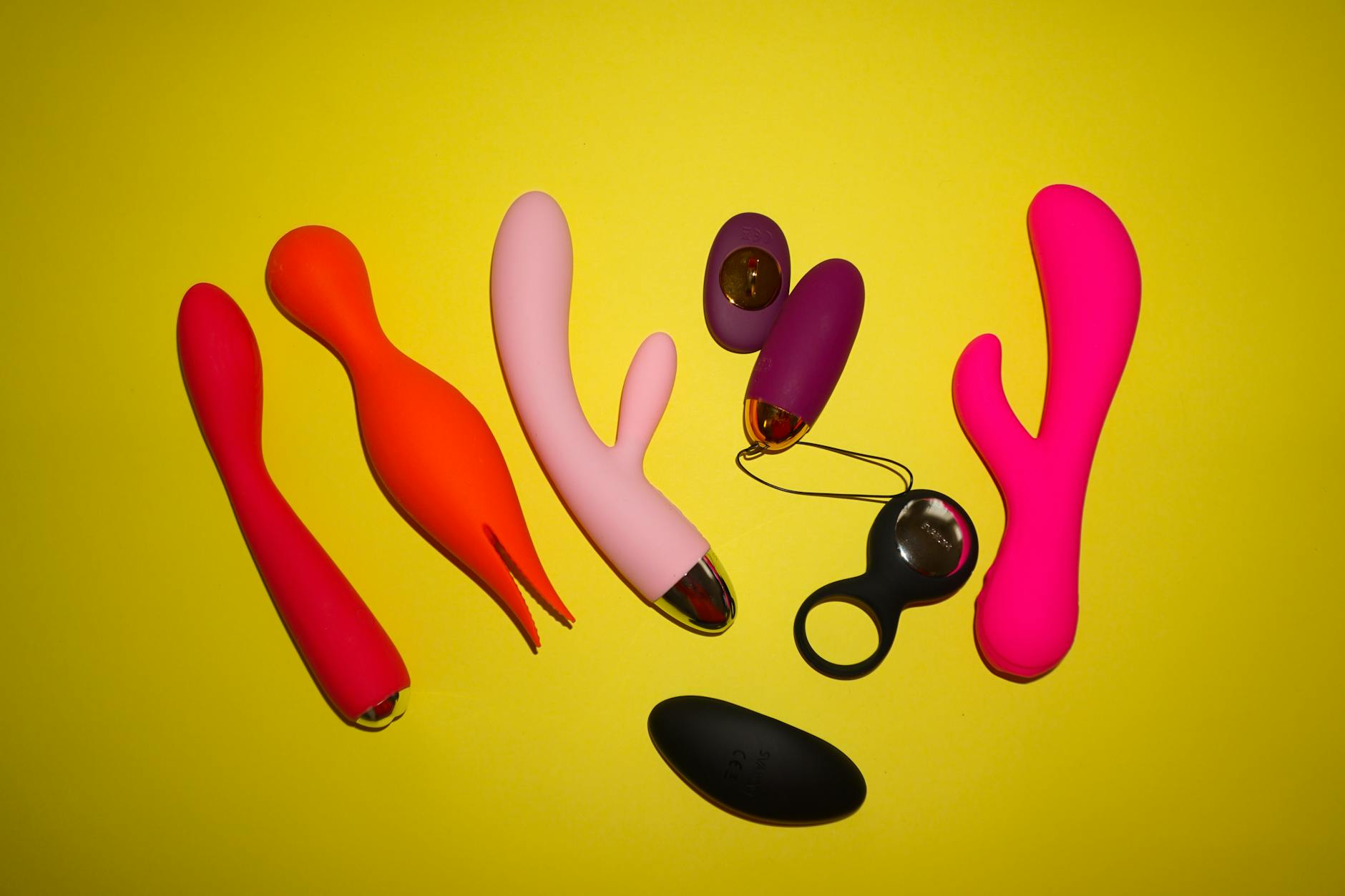
Photo by FounderTips on Pexels
What happens after you've both crossed that line
Once you've used the Lemon vibrator together a few times and pleasure has happened, something shifts. The catastrophe narrative loses power. You both realize that good sex doesn't require a single specific thing. It requires presence, communication, and a willingness to explore. All of those are available regardless of ED.
Many couples report that after introducing clitoral vibrators into their routine, they've had deeper conversations about what they actually like, what they want to try, and what they've been faking for years. ED, weird as this sounds, can be the permission slip for those conversations.
If penetration is still something you both want, it's available as an option when it's available, without being the goal. Sometimes you'll use the toy and have penetration. Sometimes just the toy. Sometimes he'll be inside you while you use it. Sometimes you'll use it on him. The script is gone. You're improvising.
Managing the psychological piece
Here's what I see in my practice: ED shame runs deep. He's probably internalized some version of "I'm not a real man" or "I've failed her." That's not rational, but it's real. It's not your job to logic him out of it, but it helps if you're consistently demonstrating through your pleasure and your presence that you're having a good time.
If he struggles to be present during sex because he's monitoring his own body or spiraling about performance, that's worth naming. Not blaming. Naming. "I notice you seem tense. Do you want to take a break? Do you want to focus on me for a bit and just be here with me without worrying about anything else?"
Sometimes a therapist trained in sexual health helps accelerate this process. ED often has a psychological component, and it's not weakness to address it with professional support. A good therapist won't make it weird. They'll help both of you untangle the performance script and build something more sustainable.
When to bring in more support
If ED is recent and he's not been evaluated by a doctor, that conversation needs to happen. ED can signal underlying health issues: cardiovascular problems, hormonal imbalances, medication side effects. A GP can rule those out or treat them.
If it's psychological ED (which it often is), therapy helps. Couples therapy helps more, because the issue isn't just his body. It's the dynamic between you both and what you've built around this one thing.
A clitoral vibrator like the Lemon vibrator is a tool in that process. It's not the solution on its own. It's permission to reframe pleasure as something other than penetrative performance.
The long view
Even if his ED resolves completely with medical treatment or therapy, the shift in your intimacy might stick. You might find that you both prefer partnered pleasure that includes toys, that puts both of your bodies at the center, that builds on communication instead of assumption. That's not a consolation prize. That's actually better sex.
Right now, ED feels like it's breaking something. In a few months, you might realize it cracked open a door you didn't know was locked.
People also ask
Does erectile dysfunction mean my partner isn't attracted to me?
Not at all. ED is a physiological response, not an emotional one. Attraction and desire are still there. The body just isn't cooperating in the way he wants it to. That's frustrating for him, not a reflection of how he feels about you. If you're worried about attraction, that's worth asking him directly. Most partners dealing with ED are actually hyperaware of their partner's needs and worried they're letting you down, not checking out emotionally.
Can using a lemon vibrator make his ED worse?
No. In fact, the opposite. Taking pressure off performance often improves ED over time. When he's not anxious about maintaining an erection, the blood flow often returns on its own. What makes ED worse is spectating, catastrophizing, and repeating the same performance-focused script that isn't working.
Is it weird if he wants to use the lemon vibrator on me instead of me using it myself?
Not weird at all. That's actually a beautiful shift in how you're both thinking about pleasure. It means he's engaged, participating, and focused on your experience. Let him learn what patterns you like. Let him watch you respond. That's intimacy.
What if he feels emasculated by toys?
That's a story he's telling himself about what masculinity means. A toy isn't a replacement for him. It's a tool you both use to build pleasure together. Some partners need to hear that explicitly a few times before it lands. Others need to experience it to believe it. Start small, keep communicating, and if he's resistant after a genuine try, couples therapy can help untangle where that resistance is coming from.
Should we see a doctor before trying this?
If his ED is new or severe, yes. A doctor rules out underlying health issues and might offer treatment options. But you don't need medical clearance to use a toy together or to rebuild your intimacy. You can do both. Medical treatment and intimate exploration don't compete. They work together.
How long until things feel normal again?
Normal is changing. Give yourself three to six months of consistent, low-pressure intimacy with the toy before you judge whether it's working. You're not trying to fix ED with a vibrator. You're rebuilding pleasure and connection while he addresses the ED itself through medical or psychological treatment. The toy is part of the solution, not the whole solution.
The bottom line
Erdile dysfunction feels like it's ending your sex life. It's actually an invitation to build a better one. A lemon vibrator, used together with honesty and presence, can be the bridge between the old script and something deeper. That's not settling. That's upgrading.
If you're ready to explore this together, start the conversation. If you want more guidance on how to talk about it or navigate the emotional piece, reach out. That's what we're here for.