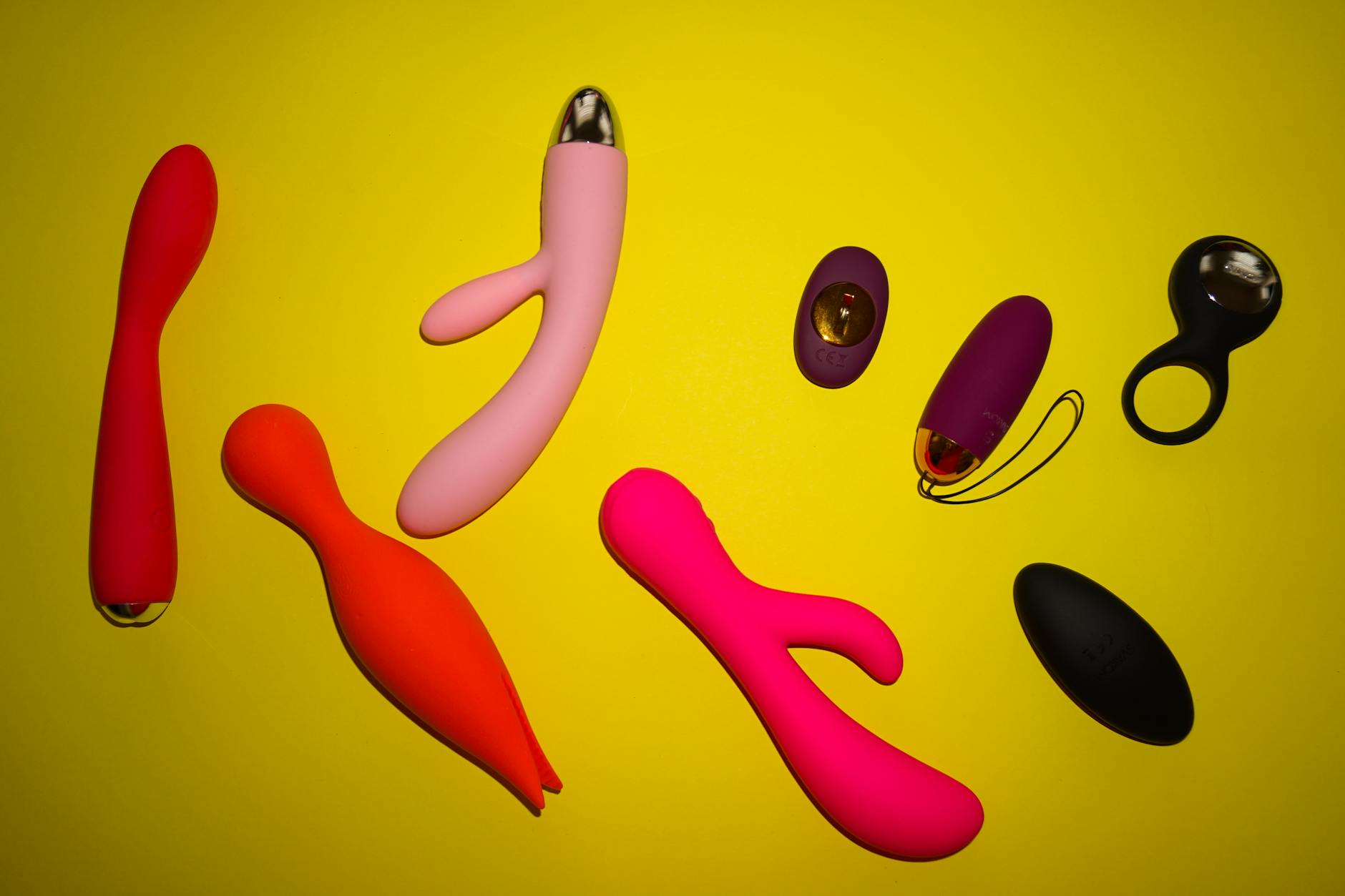
Here's the thing about timing
Introducing a lemon vibrator to a new partner isn't about the toy. It's about vulnerability, trust, and whether someone feels safe enough to hear what you actually want. Most people get the order backwards. They either spring the vibrator on a partner mid-sex (surprising no one, raising everyone's defenses) or they wait so long that mentioning it feels like criticism of what you've been doing together.
Neither works. Here's why, and what actually does.
Why the conversation matters more than you think
When you introduce pleasure tools without context, your partner often hears one of three things you didn't say. "You're not doing enough for me." Or "I don't want you anymore." Or "Something's wrong with my body." None of that is true, but the absence of a clear conversation leaves space for them to fill in the gaps.
In my years working with couples, the difference between a smooth introduction and an awkward one almost never comes down to the toy itself. It comes down to one thing: did your partner feel chosen and included in the decision, or did they feel blindsided?
The second one tanks the experience before the vibrator even leaves the drawer.
When to have the conversation
Not when you're already in bed. Not when things are tense. Not when you're tired or they're distracted. You want a moment when both of you are actually present and not thinking about anything else.
This sounds formal, and it can be. "I want to talk about something that would make our sex life better. Can we sit down sometime this week?" That works. Or it can happen naturally during a moment of genuine closeness. The point is that neither of you should be defensive, rushing, or pretending to be cool about something you're not.
If you're more than a few weeks in, you know what your partner's rhythm is. You know whether they'd rather have this conversation over coffee or lying in bed talking. Honor that.
How to actually frame it
Start with what you want, not what you're missing. "I've been thinking about ways to explore pleasure together, and I found something I'd like to try" lands completely differently than "I can't come unless..." The first includes your partner. The second creates pressure on them.
Be specific about why you want it. "I'm curious about how suction feels" or "I want to see what a clitoral vibrator can do for my body" gives them information. "I think you're not doing it right" shuts the conversation down.
If your partner expresses hesitation, don't go into salesman mode. Ask what they're worried about. Usually it's not about the toy. It's about feeling replaced, or worried they're not enough, or just not having thought about introducing anything new before. Those are real concerns, and they deserve real conversation.
What your partner might actually be thinking
Men and people with penises often worry they're being replaced. Women and people with vulvas sometimes worry that wanting a toy means they're broken. Everyone worries a little bit that this means something about the relationship.
You can't talk them out of feelings, but you can be honest about your own. "This isn't about you. It's about me wanting to understand my own body better. And I want to do that with you, not instead of you." That matters.
If they're worried about performance, you might say: "My body just responds to different sensations at different times. A lemon vibrator isn't replacing you. It's adding something." Then show them how it actually works. Removing mystery removes a lot of resistance.
The practical part: timing during sex
For a first time with a new partner, you probably don't want to introduce it during penetrative sex. Too much going on, too much coordination needed, too easy for someone to feel sidelined.
Start with foreplay. Get to a point where you're both comfortable and aroused, but before penetration happens. That gives your partner space to watch, participate, or just be present without feeling like they need to be doing something else.
Tell them what you're doing. "I'm going to use this for a bit" or better yet "Want to watch?" or "Want to help?" Inviting them to participate, even just as an observer, makes a massive difference in how they experience the moment.
How to use it together without awkwardness
Start on a lower setting. A lemon vibrator's suction can feel intense the first time, and if your partner is watching, you don't want to look like you're having a full-body experience while they're standing there wondering if they should be doing something.
If penetration is part of what you're doing, your partner can be inside you while you use the vibrator. Many people find that combo works better than either alone. But explain that before it happens. "I want to try using this while you're inside me" gives them a chance to think about what that means for them.
Don't expect fireworks the first time. Sometimes it takes a few tries to get the angle right, or to feel relaxed enough with your partner watching. That's completely normal.
The conversation after
This matters as much as the conversation before. "That was interesting" is feedback. "That was amazing" is different feedback. "I felt weird about it" deserves to be heard, not argued with.
Ask what they experienced. Did they feel included? Did they enjoy watching? Did something feel off? Their honest answer helps you understand whether this is something you do together again, and how.
If it went well, say so. "I felt really comfortable with you there. That made a difference." If it didn't, be curious about why, not defensive.
When your partner suggests it first
This flips the script entirely. If your new partner brings up wanting to introduce a vibrator, your job is the same but opposite. Don't perform enthusiasm you don't feel. Don't agree just because you think it's what they want.
"I'm open to it. Tell me what you're thinking" is honest. Then listen. They might want you to use one on them. They might want to use one on you. They might just want to know that you're comfortable with toys being part of your sex life.
Asking genuine questions matters here too. "What made you think of this?" or "What are you hoping will happen?" tells you whether this is something they've wanted for years or just something they saw online.
Managing your own stuff
If you feel insecure about introducing a lemon vibrator, that's worth examining before the conversation. Not because insecurity is bad, but because it might leak into how you frame things.
If you're introducing it because you genuinely want to, own that. If you're introducing it because you think you should, or because you feel broken without it, that's a different conversation. With a partner, yes. But maybe also with yourself first.
The best introductions happen when someone brings something they genuinely want to explore, not something they think they should want.
What happens if they say no
Then you have a choice. You can respect that boundary, or you can have a deeper conversation about why it matters to you and what compromise might exist.
Some people aren't ready for toys. Some never will be. Neither is wrong. But if this is something you genuinely need, you also get to decide whether this is the right relationship for you.
For many couples, the real win isn't the toy itself. It's practicing the skill of asking for what you want, and being heard. That practice makes everything else better.
The confidence part
When you introduce a lemon vibrator to a new partner with clarity and honesty, you're communicating something important. I know what I want. I trust you enough to tell you. I want you involved in this.
That's not small. And most partners feel it. They might be nervous about the toy, but they're usually grateful for the honesty.
The toy itself is almost secondary. What really changes the experience is a partner who feels like they were actually chosen to be part of your pleasure, not just present for it.
People also ask
How soon into dating should you introduce a vibrator to a new partner?
There's no magic number of weeks or months. What matters is that you feel secure in the relationship and that you trust your partner with information about your body and what you want. For some couples that's three weeks in. For others it's three months. The right time is when you'd feel comfortable being vulnerable with them about other things too.
What if my new partner thinks I'm addicted to vibrators?
This usually comes from a lack of information. Your partner might not understand the difference between using a vibrator for pleasure and depending on it. Explaining that a clitoral vibrator is a tool, not a crutch, helps. You can also show them that you enjoy sex without one too. The goal is for them to see it as an addition to your pleasure, not a replacement for everything you do together.
Is it weird to ask a new partner if they're okay with toys before you've even had sex?
It's not weird. It's actually good communication. Some people bring it up casually. "I'm into exploring different things in bed." Others wait until sex is actually happening. Both can work. The point is that your partner isn't blindsided, and you're not hiding something that matters to you.
My new partner seems interested but also kind of uncomfortable. What do I do?
Trust what you're seeing. Comfort takes time to build, and that's okay. You don't have to use the vibrator the next time you have sex. You can introduce it slowly. You use it alone while they watch. You use it during foreplay but not during penetration. You give them space to get curious at their own pace. Pressure kills arousal and comfort faster than anything else.
Should I let my new partner use a lemon vibrator on me?
If you want to, yes. Some people love having a partner control the vibrator. Others find it easier to use it on themselves because they know exactly what feels good. Both are fine. You get to decide what feels right for your body. Communicate what you want, and let them know they can ask questions as you go.
What if introducing a vibrator makes my new partner feel replaced?
That's a feeling worth taking seriously, even if it's not the reality. You can't logic them out of it, but you can show them otherwise through your actions. Use the vibrator when they're present and involved. Keep having sex without it too. Give them specific feedback about what feels good when they're touching you. Show them with time and consistency that this is about addition, not replacement. If they can't move past that feeling after honest conversation and time, that tells you something important about compatibility.
When you navigate this with honesty and care, you're not just introducing a toy. You're building the kind of communication that makes everything about your relationship better.