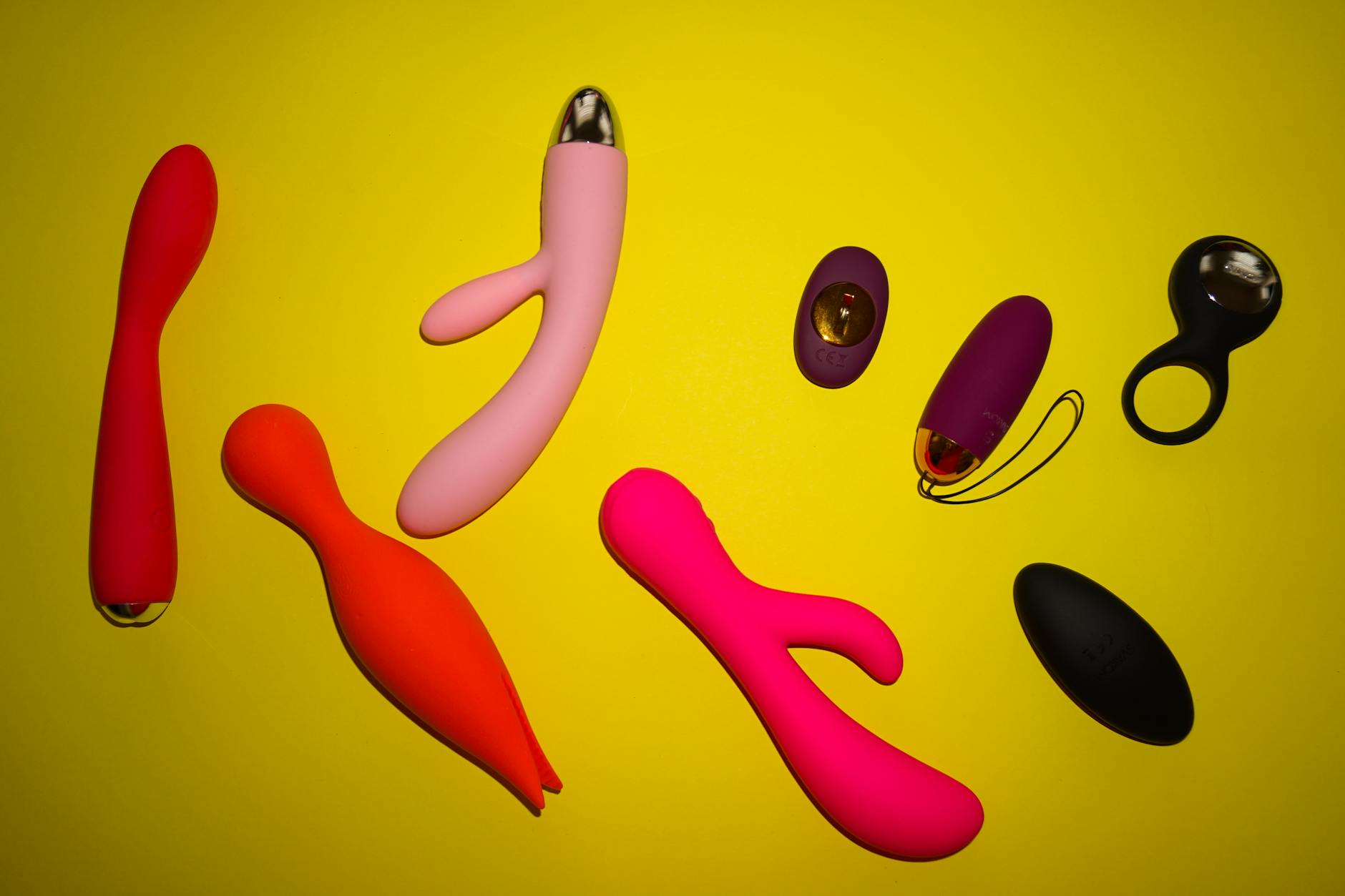
Let's name the thing nobody talks about in the psychiatrist's office
Antidepressants work. They genuinely save lives. And they frequently crater your libido. Not sometimes. Often. SSRIs and SNRIs are among the most prescribed medications on the planet, and sexual side effects hit somewhere between 25 to 60 percent of people taking them, depending on the drug. Yet most prescribing doctors spend about forty seconds on this conversation before moving on.
So you end up here. Mentally stable for the first time in years. Able to actually function. And unable to feel aroused, or unable to orgasm, or both. Which creates this special kind of frustration because you can't exactly say "doc, I'd like to feel suicidal again so I can have normal sex". That's not a trade-off that makes sense.
Good news: this is solvable. Not by quitting your medication. By learning to work with your nervous system differently. And a Lemon Vibrator can actually be one of your best tools for that.
How SSRIs and SNRIs change your pleasure hardware
Here's the mechanism. Serotonin does a lot of things in your brain. One of them is helping with arousal and orgasm. SSRIs flood your system with serotonin, which is great for mood and anxiety. But that same excess of serotonin can dampen the sympathetic activation that builds arousal and triggers orgasm.
Think of arousal as a volume knob on your nervous system. SSRIs turn the volume down. Not off. Down. Which means you still have the capacity for pleasure, but it takes a very different approach to access it.
The clitoral tissue itself usually works fine. What's actually flatlined is the neurological signal that says "time to wake up down there". It's not a dead nerve. It's an under-stimulated one.
Why the Lemon works differently when your baseline is flat
The Lemon Vibrator uses air-suction technology instead of direct vibration. This matters hugely when your arousal system is already depressed. Here's why.
With a standard vibrator, you're relying on the tiny receptors around your clitoris to notice the sensation and report back to your brain. If your nervous system is running quiet, those signals might not even reach the threshold of "turn on". It's like trying to get someone's attention in a noisy room by whispering.
With a lemon clitoral vibrator, the suction creates broader stimulus across a wider area of nerve endings at once. It's like turning up the volume and also using a megaphone. Your nervous system can't ignore it as easily. It's more insistent without being painful or overstimulating.
Second, the sensation feels different enough that it sidesteps the mental block many people build around medication-flattened desire. You're not waiting for the old arousal to return. You're exploring a genuinely new sensation. That subtle mindset shift matters.
Starting slow when your body's in neutral
Here's the protocol I recommend for someone rebuilding arousal while on SSRIs.
First, remove the expectation of orgasm entirely. I know that sounds backwards, but hear me out. You're already frustrated. Adding another layer of "it should happen" just increases your cortisol and makes your nervous system more defensive. So give yourself explicit permission to explore without a goal.
Start with the Lemon on the lowest setting. Not because you're fragile, but because your task right now is teaching your nervous system that pleasure signals exist. Stimulation intensity is the last thing to turn up. Consistency and novelty are the first two.
Spend 2-3 weeks using the lemon vibrator for 10-15 minutes every other day. Not during partnered sex. Solo. Just you and your own sensory awareness. No screens, no rushing, no partner waiting. This trains your brain and body in isolation first.
During this phase, you're not trying to come. You're noticing. What settings create the most interesting sensation, not the strongest sensation. Where on your clitoris the suction feels best. Whether warmth or coldness changes anything. This is data-gathering mode.
Internally, you might start noticing micro-sensations you'd forgotten about. A slight flush. A shift in your breathing. That's your nervous system waking up. That's progress.
The medication adjustment conversation you might need to have
Here's where I'd normally say "talk to your doctor". I'm saying that. But I'm also going to be realistic about how that conversation usually goes.
Most prescribers will offer you one of three options: wait it out (sometimes desire returns after 6-12 months on the same dose), switch medications (often with 2-3 weeks of discontinuation symptoms, which sucks), or add something on top.
The "something on top" options include low-dose buspirone, bupropion, or sometimes low-dose naltrexone. These aren't perfect, but they can shift your sexual response enough to make a real difference. Worth asking about. But also worth noting that not all doctors are comfortable with this adjustment, and not all insurance covers it.
What I'm saying is: don't assume your current dosage and medication combo is your forever answer. There's a middle ground between "medicate your sexuality away" and "suffer with untreated depression". But finding it requires being direct with your prescriber about what's actually happening in your body.
How to rebuild desire in partnership
If you have a partner, this gets one extra layer of complexity. They might worry that your low libido is about them. They might feel rejected. They might also internally be mourning the sex life you used to have, which is legitimate and also not your job to fix alone.
The most helpful thing here is separation of concerns. You're rebuilding your own arousal system. Your partner's role isn't to fix it or wait it out. Their role is to trust the process and maybe get their own therapy while you're working on yours.
When you do bring the Lemon Vibrator into partnered sex, don't frame it as "we need this to fix the problem". Frame it as "I'm experimenting with what works for my body right now, and I'd like you here". That's different. That says you're taking ownership of your pleasure without making your partner responsible for fixing your medication side effects.
Some partners love watching you use a lemon sucker vibrator. Some feel weird about it initially. That's normal. What matters is you're not asking them to perform arousal they might not have, and you're not silently resenting them for the fact that your meds killed your libido.
When your pleasure system starts waking up
Most people notice a shift between week 3 and week 8 of consistent, pressure-free exploration with a Lemon Vibrator. Not always full orgasms. Just a quickening. A sense that the switches are starting to flip again.
When that happens, you can start increasing intensity. Move to settings 3-5 on the lemon clitoral vibrator. Experiment with different patterns. Introduce it during partnered sex if you want to.
You can also start being more intentional about arousal context. What music makes you feel alive. What textures. Whether fantasy or partner presence or neither gets you there fastest right now. Your arousal system is re-learning itself on new hardware. It deserves attention.
One thing to track internally: is the flatness from medication, or is something else happening. Depression is an insidious thing. It doesn't always announce itself loudly. Sometimes it just quietly kills your desire for connection. If you find that even with the vibrator and the settings adjustments and the solo time, nothing lands, it might be time to revisit your dosage or medication choice with your prescriber. That's not failure. That's data.
Common questions about lemon vibrators and antidepressant use
Can using a Lemon Vibrator regularly help retrain my arousal on SSRIs?
Yes. Consistent, low-pressure stimulation actually does help your nervous system re-establish the arousal pathway that SSRIs suppress. The suction technology works well for this because it doesn't require you to "feel already aroused" to register as pleasurable. It kind of does the work of creating arousal instead of just responding to existing arousal. Most people see measurable shifts in 4-8 weeks of consistent use.
What if the Lemon Vibrator doesn't work and I still can't feel anything?
That's information. It means your nervous system might need a different intervention. Sometimes it's a dosage adjustment. Sometimes it's adding a second medication that counteracts the sexual side effects. Sometimes it's finding a different class of antidepressant entirely. Bupropion, for example, actually increases sexual desire in some people. Your doctor needs to know that a toy alone didn't bridge the gap, because that points to a medication-level issue rather than a technique issue.
Can I use a Lemon Vibrator while I'm on antidepressants?
Absolutely. There are no contraindications between SSRIs or SNRIs and vibrators of any kind. The medication doesn't change how your tissue responds to physical stimulation. It changes how your nervous system signals arousal. The vibrator works by providing external stimulation that can sometimes bypass that suppressed signaling.
Is it normal that orgasms feel different or weaker on antidepressants, even with a vibrator?
Very normal. Antidepressants can flatten the orgasmic response itself, not just the ability to reach orgasm. You might get there but find it feels less intense than it used to. That usually settles as your body adjusts to the medication and as you develop new awareness of how pleasure feels on your current neurology. The Lemon can help by providing variety in sensation, which sometimes unlocks different kinds of pleasure responses.
Should I tell my partner I'm using a Lemon Vibrator to help with antidepressant side effects?
That's your call, and it depends on your relationship and how your partner typically responds to sex toys. If you're generally open about your sexuality and your bodies, yes. It's honest and also lets them understand that this isn't about them. If you're in a relationship where toys are more sensitive territory, you can use the vibrator solo first and introduce it to partnered sex only when and if you want to. Your medication side effects aren't something you owe your partner explanations for. Your own pleasure recovery is your business first.
Can I combine the Lemon Vibrator with other tactics to restore libido on antidepressants?
Yes. The most helpful combination is usually: the vibrator plus consistent self-pleasure, plus honest conversation with your prescriber about whether a dosage or medication adjustment is possible, plus addressing anything else that might be suppressing desire (stress, relationship issues, sleep deprivation). The vibrator is a tool, not a solution on its own. It's most powerful when paired with a willingness to actually rebuild your arousal system rather than waiting for the old one to spontaneously return.
The bottom line
Antidepressants changed your brain chemistry in a way that saves your life and flattens your libido simultaneously. That's real. It's not in your head, and it's not a sign you're broken or insufficient. Your nervous system is just running quieter than it used to.
A lemon vibrator, used consistently and without pressure, can help you rebuild arousal by speaking to your nervous system in a language it can actually hear right now. Not the language it used to speak. The new one.
But the vibrator works best alongside an honest conversation with your prescriber about whether your current medication is the right fit, and whether adjustments might help. Sometimes they will. Sometimes you'll find that stable and functional with slightly different pleasure is still a life worth living. Either way, you deserve to know you have options.
If you want to explore how a Lemon Vibrator might fit into your pleasure recovery, start solo. Give yourself four weeks. Notice what changes. Then decide what comes next. Your arousal is still in there. It's just learning a new language.