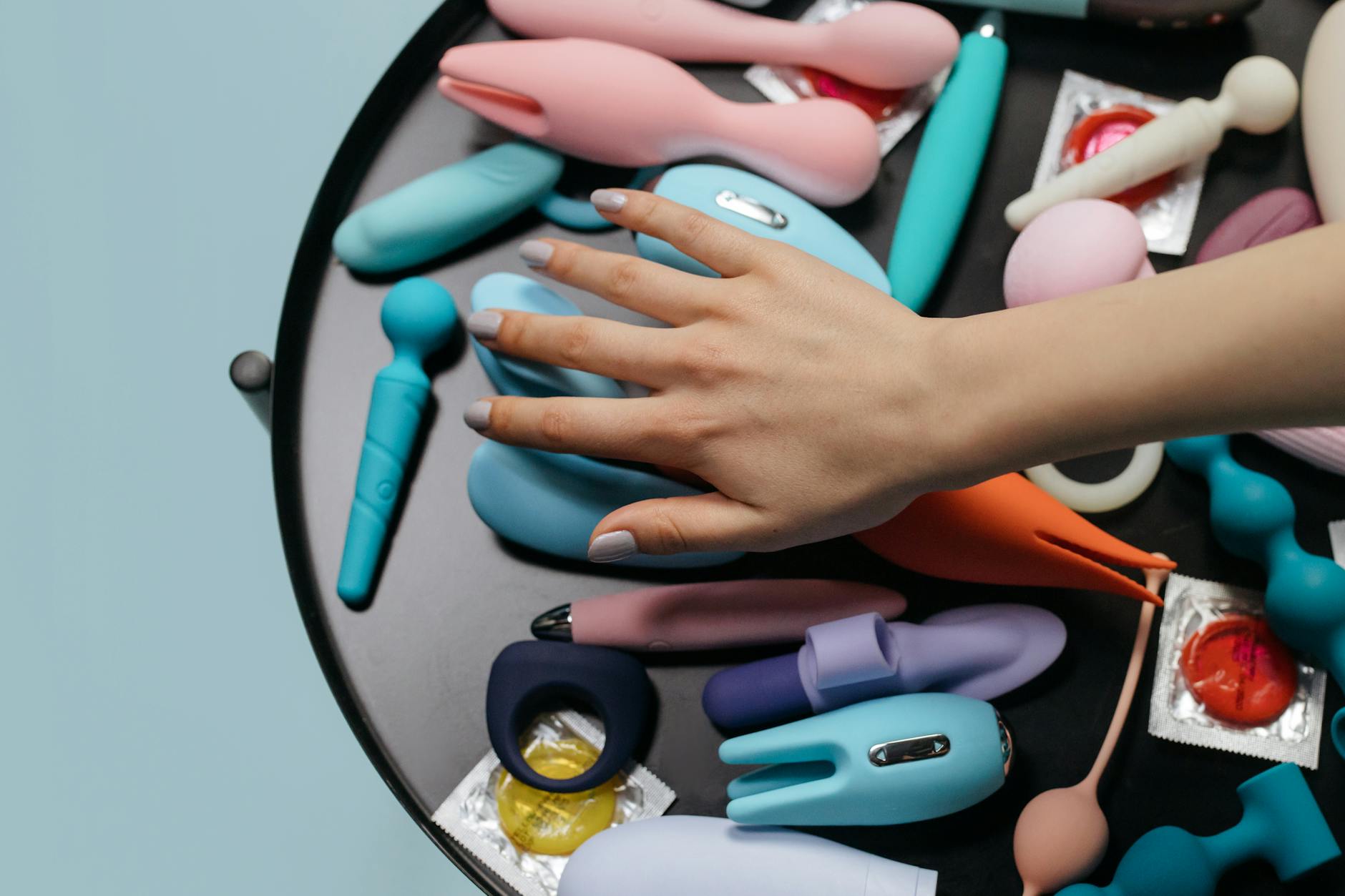
Here's the thing nobody tells you
Birth control doesn't just prevent pregnancy. It floods your body with hormones that touch literally everything about how pleasure works. Your clitoral sensitivity, how fast you get aroused, whether orgasms feel sharp or soft, how much lubrication your body makes—all of it can shift the moment you start a new contraceptive.
Most of us never connect that fuzzy feeling or that orgasm that just won't quite happen to the pill we started three months ago. We assume something's wrong with us, or with our partner, or with whatever toy we're using. Often it's none of those things. It's just chemistry doing what chemistry does.
What hormonal birth control actually does
Let's separate the myth from the mechanics. Birth control works by suppressing ovulation, which means your estrogen and progesterone levels don't fluctuate the way they normally would. Instead, they stay relatively flat and elevated.
This matters for pleasure because estrogen controls blood flow to the clitoris and vagina. It affects nerve sensitivity, vaginal lubrication, and how quickly your nervous system can fire during arousal. Progesterone, meanwhile, tends to dampen arousal—it's the hormone that says "rest now." On hormonal birth control, you're running higher progesterone levels all cycle long.
The result? Your arousal might feel muted. Your clitoris might feel less responsive to typical vibration. You might need more time to warm up, or you might find that certain sensations feel weirdly intense where they used to feel good.
Non-hormonal IUDs (copper devices) don't mess with your hormones at all, which is why people who switch away from the pill often say pleasure snaps back instantly. Hormonal IUDs release a small amount of progestin directly into the bloodstream, so they create a different hormonal picture than the pill, but still one that changes sensation.
Why lemon clitoral vibrators sometimes work better on birth control
Here's where it gets interesting. Lemon vibrators use suction instead of pure vibration. That suction stimulates the clitoris through a broader, less direct pattern. For people on hormonal birth control who find that their clitoris feels numb to typical buzz, lemon vibrators often work brilliantly.
Why? Because suction engages nerves differently than vibration. It creates a gentle pulling sensation that doesn't require the same level of fine-tuned sensitivity. It's like the difference between trying to write with a needle and writing with a brush—one requires the tip to be sharp, the other works even if your hand's a bit fuzzy.
Many people report that switching to a lemon adult toy after starting birth control actually restored pleasure that felt lost. Not because there's anything magic about the device, but because the stimulation pattern matched what their newly-hormonal body could actually respond to.
The first three months are the weirdest
If you just started birth control, your body needs time to adjust. The first trimester on a new hormonal contraceptive is chaos—your hormones are reorganizing, your brain chemistry is shifting, your tissues are responding to a new chemical environment.
Sensation changes are absolutely normal during this window. Your clitoris might feel less sensitive. Arousal might take longer. You might notice that you feel less desire, or that orgasms feel different—softer, harder to reach, or sometimes paradoxically easier.
The mistake people make is panicking and changing everything at once. New pill plus new toy plus new partner equals no data. Stick with one variable for at least three cycles before deciding whether something's actually wrong or if your body just needs to acclimate.
Different birth control methods, different sensation profiles
Not all hormonal birth control feels the same. The type of progestin, the dose of estrogen, and how the hormone enters your system all affect how your body responds.
The combined pill (estrogen plus progestin) affects people most dramatically. You get a consistent dose every day, which means relatively stable—but elevated—hormone levels. Many people find pleasure slightly muted on combined pills, though some actually feel more relaxed and therefore more able to enjoy sensation.
The mini-pill (progestin only) tends to be gentler on arousal because there's no estrogen suppression. Some people feel barely any difference. Others notice a drop in desire but not necessarily in physical sensation.
Hormonal IUDs release hormone directly into the uterus, with less systemic circulation than pills. People on hormonal IUDs often report less impact on pleasure than they had on the pill, but it varies wildly depending on the person.
The patch, ring, and shot all deliver hormones in different rhythms and concentrations. The patch, for instance, delivers a steady dose through skin, which some people find more stable than swallowing a pill. The vaginal ring keeps hormones localized, which can feel less disruptive for some.
If birth control is genuinely killing your pleasure, and you've given it three months, talk to your GP about switching. Different progestin types feel different. Lower-dose pills feel different from standard ones. You don't have to white-knuckle through something that's genuinely not working for your body.
How to troubleshoot sensation changes
First, confirm it's actually the birth control. If you started a new contraceptive and your pleasure shifted, wait twelve weeks before concluding it's a permanent change. Your body is still adjusting.
Second, talk to your partner or yourself (if you're solo) about what changed specifically. Did arousal slow down? Did your clitoris feel numb? Did you lose desire entirely? Those are three different problems with different solutions.
Third, try a different stimulation pattern. If you've been using vibration, try suction. If you've been relying on penetration, try external stimulation. Birth control can make some sensations feel muted while leaving others completely intact. A lemon vibrator might unlock exactly what your body needs right now.
Fourth, check your lubrication. Birth control can reduce natural lubrication in some people. That's not a sign something's broken—it just means you'll want to use a water-based lubricant. That small change can make sensation feel sharp again.
Last, give yourself permission to feel frustrated. Your body's changed. That's annoying. You're allowed to be annoyed about it while also troubleshooting it. Those feelings aren't contradictory.
When you might want to reconsider
Honestly though, if you're on a hormonal contraceptive and your pleasure has completely flatlined after three months, it's worth a conversation with a sexual health doctor. Not a general practitioner. A sexual health doctor or a gynaecologist who specifically listens to libido changes as a side effect.
Some birth control methods genuinely suppress desire more than others. If you're on something that's not working, switching isn't failure. It's information. Your partner (if you have one) benefits when you feel good. Your body benefits when you feel good. You deserve a contraceptive that doesn't hollow out one of your fundamental drives.
That said, sometimes what looks like a birth control side effect is actually something else—stress, relationship friction, depression, or just the natural ebb and flow of desire. Don't assume hormones are the villain until you've actually looked at the other stuff too.
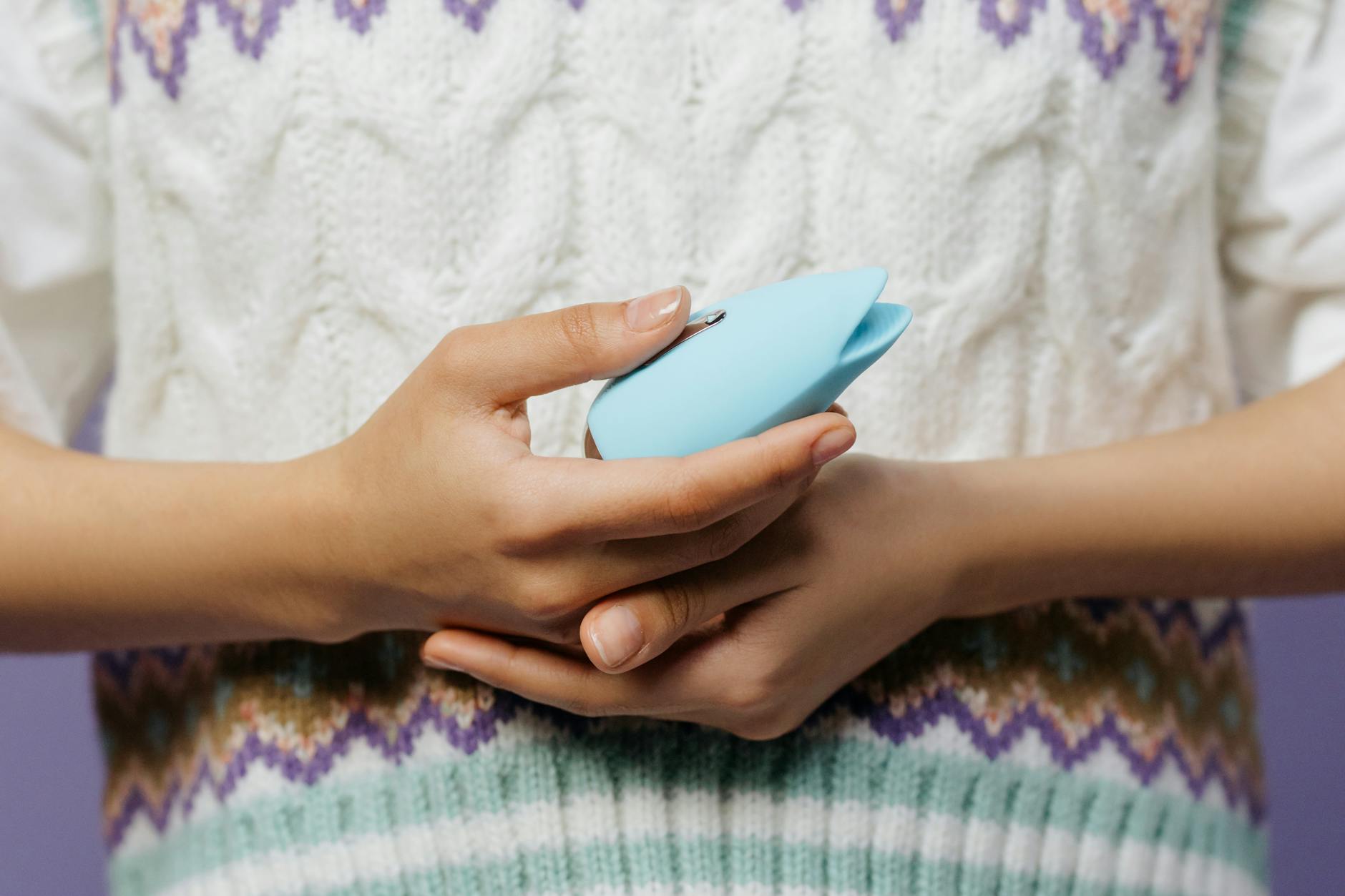
Photo by cottonbro studio on Pexels
The bridge back to sensation
If you're in that weird zone where birth control has changed your pleasure but you're not ready to switch methods, here are things that actually help.
Invest in good lubrication. Water-based is safest with lemon toys. Silicone can degrade silicone, so avoid that combo. A slick toy and slick tissue create sensation even when native lubrication is lower.
Take longer to warm up. Forget five-minute quickies. Give yourself 15 to 20 minutes of light touch, conversation, or whatever gets you mentally aroused before you bring out the vibrator. Desire on birth control often needs mental fuel to ignite physical response.
Try a lemon clitoral vibrator if you haven't already. Suction genuinely does bypass some of the sensitivity issues that vibration struggles with. It's not a magic fix, but for a lot of people on hormonal contraception, it's a game-changer.
Pay attention to where you are in your pack. Even on birth control, some people notice slight sensation variations depending on what week of pills they're in. Not everyone, but some. If you notice a pattern, you've got data.
Know that this might shift again. Your body adapts over time. You might feel fuzzy for three months and then suddenly snap back. Or you might need to make an intentional change. Both are normal.
Why this matters beyond just pleasure
Sex isn't a luxury you can afford to lose. It's stress relief, connection, self-knowledge, and fun. If birth control is stealing that, it's worth taking seriously.
That doesn't mean you have to choose between contraception and pleasure. It means knowing how your specific body responds to your specific method, and being willing to troubleshoot if something feels off. Sometimes that's a lemon vibrator. Sometimes it's a conversation with your doctor. Sometimes it's just time and patience.
Your pleasure matters. Your contraception should work with your body, not against it.
People also ask
Can you use a lemon vibrator if you're on any type of birth control?
Yes. Birth control doesn't interact with lemon toys directly. What it does is change how your clitoris responds to stimulation. A lemon vibrator's suction pattern might actually feel better on hormonal birth control than traditional vibration does, since it engages nerves differently. Water-based lubricant is always safe with lemon adult toys, regardless of contraception.
Does the mini-pill affect sensation differently than the combined pill?
Yes, usually less intensely. The mini-pill is progestin-only, so it doesn't suppress estrogen the way the combined pill does. Many people find their arousal and sensitivity less affected. But everyone's different—some people feel no difference, others notice a shift even on the mini-pill. Three months is your window to figure out if it's working for your body.
How long does it take to adjust to birth control and feel pleasure again?
Typically 12 weeks, sometimes less. Your body needs time to regulate on new hormones. That said, if you're six months in and pleasure is still flatlined, that's not normal adjustment—that's a sign your specific method might not be right for you. Talk to a sexual health specialist, not just your regular GP.
Will switching birth control methods restore my sensation?
Often, yes. If you switch from a combined pill to a mini-pill or copper IUD, many people notice arousal and sensitivity snap back quickly. Different progestin types in different pills also feel different—your body might respond much better to one than another. It's worth exploring if your current method is genuinely interfering.
Is loss of desire on birth control permanent?
No. Some people adapt over time and their desire returns without changing anything. Others need to switch methods. The key is not assuming it's permanent and just white-knuckling through. You deserve to feel good, and if your contraception is preventing that, there are solutions.
Can a lemon clitoral vibrator help if birth control has made me numb?
Absolutely. Because lemon vibrators use suction rather than vibration alone, they can reach nerve endings that feel unresponsive to traditional buzz. For people whose clitoris has become less sensitive on hormonal birth control, a lemon vibrator often feels like permission to feel again. It's not magic, but it's a real shift in stimulation that can reconnect you to sensation.
If you're curious about how lemon vibrators compare to other options, we've written about how lemon vibrators compare to traditional vibrators for beginners. And if you're navigating pleasure changes more broadly, why lemon vibrators feel different during hormonal shifts goes deeper into the science.
You're not broken. Your body's just speaking a new language. Learning to listen is half the work.