Let's talk about the gap
Long distance is fundamentally about managing absence. You can video call, text, send care packages. But there's a specific absence that most couples don't discuss: the physical connection that used to be automatic, that used to happen without negotiation or planning. When that disappears, something real gets lost.
Here's what I've seen work. Couples who maintain sexual connection across distance don't just miss it less. They report deeper emotional intimacy, better communication overall, and genuinely more satisfying reconnection when they're finally in the same room again.
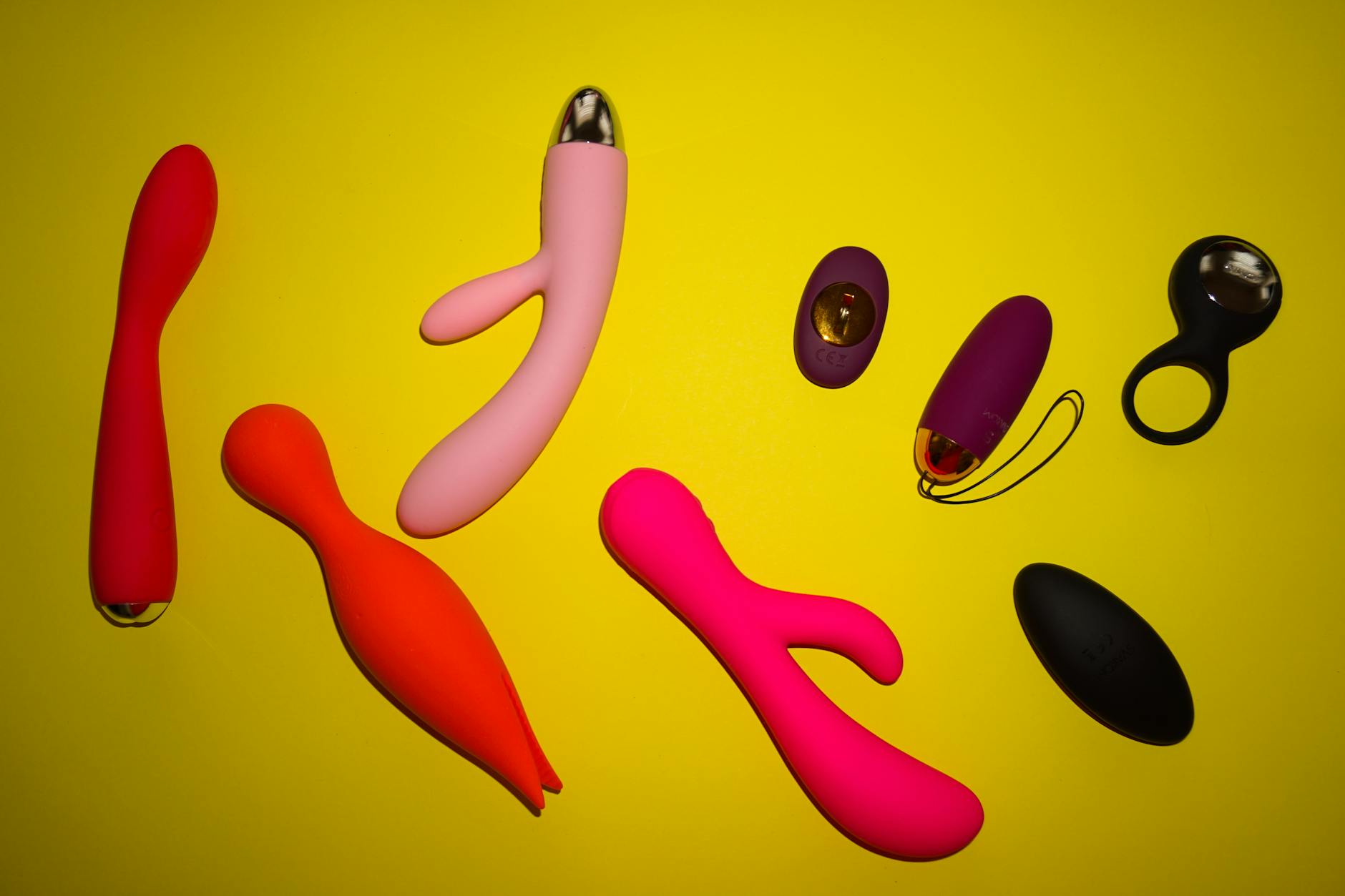
Lemon vibrators, weirdly, are one of the tools that make this possible.
Why distance breaks sexual connection in particular
It's not just the obvious reason. Yes, you can't touch your partner. But there's something subtler happening. Sexual connection requires vulnerability, which requires trust that your partner is actually with you, not checking their phone or thinking about work. Distance removes the physical cues that create that trust. You can't read their breathing or feel them react to you in real time. That absence of feedback makes vulnerability feel risky.
Add in the fact that most people feel weird being vulnerable on a screen, and you get a situation where sexual connection becomes the first thing couples drop when distance happens. It's the easiest thing to postpone. "We'll deal with it when I visit," people say. Then three months pass and there's too much distance to bridge.
How video intimacy actually works (the unglamorous part)
Let me be direct. Video sex is awkward. The angles are bad, the lighting is unflattering, you're aware you're performing for a camera even though it's just your partner. You get self-conscious. The experience can feel transactional rather than connected.
But here's what changes when both partners have a tool like a Lemon Vibrator. Suddenly you're not performing for each other. You're both pursuing your own pleasure simultaneously. You're sharing the experience without needing to make it "good" or performative. You're literally watching each other feel good, which is radically different from trying to get each other off through a screen.
This sounds simple but it fundamentally shifts the dynamic. You go from "let me turn you on" to "let me show you what I feel when I touch myself." That's vulnerable, yes. But it's real vulnerability, not performed.
Setting up the logistics (the part no one talks about)
Three things need to happen first:
Timing and privacy. Pick a time when you both have real privacy and can give each other actual attention. Don't try this when your partner is at work or you're at your parents' house. Set aside 20-30 minutes the same way you'd set aside time for a date. This signals that it matters.
Connection first, toys second. Start the conversation clothed. Check in about what you've been wanting, what you've been thinking about, what's been missing. A Lemon Vibrator is a tool for connection, not a shortcut past the emotional stuff. The emotional work comes first.
Practical setup. You both need a phone or laptop at a comfortable height and distance. The goal isn't to see everything. It's to feel like you're in the same room even though you're not. Some couples put their devices on a pillow or stand rather than holding them, so they're using both hands and not feeling like they're filming.
The communication framework that actually works
Here's what kills remote sexual connection: trying to be silent and mysterious the way some couples are in person. You can't do that on video. Your partner needs to know what's happening, what feels good, what you want next. That requires talking.
This actually improves sex, even when you're together again. Couples who learn to say what they want while using a Lemon Vibrator tend to keep communicating that way. They break the pattern of assuming their partner knows what they want.
Start small. You don't need to narrate everything. But say things like "I'm about to start," "That feels incredible," "I'm close," "I'm not ready yet." This keeps your partner involved even though they're far away. It's the opposite of lonely.
Three approaches that couples actually use
Synchronized pleasure. You both start at the same time using your own lemon vibrator or toy. You're watching each other climax simultaneously. This sounds simple but it's profound. You're literally on the same timeline. There's no performance, no trying to get your partner off. You're just present together.
Guided experience. One partner directs the other. "Use pattern three," "go slower," "use more pressure." This works if one partner is more dominant or if you both like the dynamic. It keeps the connection active and responsive rather than simultaneous and parallel.
Presence without performance. Sometimes you both use your toys but you're not "performing" for each other. You're just touching yourself while your partner watches, the way they might watch you change or shower. This reduces the performance pressure significantly and actually increases intimacy for a lot of couples.
The emotional part that matters more than the physical part
Here's what I see most couples miss. The sex itself is less important than what the sex says. When you're willing to be sexually present with your partner across distance, you're saying "you matter enough to me that I'm staying connected to you even when it's inconvenient." You're saying "I don't need this to be perfect." You're saying "I choose to be vulnerable with you."
That's the actual connection. The lemon vibrator is just permission to have that conversation.
Many couples report that their first remote sexual experience is awkward or unsatisfying. That's normal. You're learning a new skill together. The second or third time gets easier because the shame wears off and the connection deepens. By month four or five of distance, couples who do this tend to report that their video intimacy feels as real as physical intimacy used to.
When it's not working (and what to do)
If you've tried this and it feels forced or uncomfortable, that's information worth paying attention to. Sometimes it means you need more emotional connection first. Sometimes it means you need to adjust the setup. Sometimes it means you're not ready for this kind of vulnerability, and that's okay.
The solution isn't to force it. It's to get curious. "What feels off about this?" "What would make this feel more natural?" "Do we need more privacy, more time, a different time of day?" These conversations often reveal what's actually missing, which is usually not the sex itself but the feeling of being seen and wanted.
The reunion part (honestly the best part)
Here's something couples don't expect. When you maintain sexual connection across distance, you don't need a long warm-up when you're finally together. There's no awkward reset period. You step off the plane and you already know what your partner wants, what you want, what the dynamic feels like. You skip months of rebuilding.
Couples who do this also tend to be more playful in person because they've already broken the ice around communication. They'll say things like "remember when we tried that on video?" or "I want to try the thing we talked about." The distance actually accelerates the relationship because you're forced to be intentional about intimacy instead of letting it happen by accident.
FAQ
Can you use a lemon vibrator on video without feeling self-conscious?
Yes, but usually not the first time. The self-consciousness is normal and fades with practice. It helps to remember that your partner chose to be there, is probably also nervous, and genuinely wants to see you feel good. Give yourself three or four attempts before deciding it doesn't work. Most couples find that the awkwardness disappears by the second or third time.
Is video intimacy actually connected, or is it just a Band-Aid for missing real touch?
It's not a replacement for physical intimacy, but it's not nothing either. What makes it real is the vulnerability and presence you bring to it. Couples who show up emotionally report that video intimacy deepens their emotional bond even if it doesn't replace the physical sensation. The real connection is you saying "I want to stay bonded to you even across distance."
How do you bring this up with a partner without it being awkward?
Start a conversation about what you've been missing about your physical relationship. Don't lead with "let's try video sex." Say something like "I miss feeling connected to you. I miss that part of us. What would feel good to you about staying intimate even though we're apart?" This frames it as collaborative problem-solving rather than a request for something specific.
What if one partner wants this and the other doesn't?
That's valid and worth exploring together. Ask why without judgment. Is it fear? Discomfort with their body? Not feeling sexy on video? Distrust of technology? Once you know the actual barrier, you can problem-solve. Sometimes the answer is compromises like keeping the camera above the waist, or trying audio-only first, or focusing on the emotional connection rather than the visual one.
Does using toys together on video change the relationship dynamic when you're back in person?
It can, yes. Some couples find it deepens their trust and communication, which makes sex better in person. Some couples find they want to keep the dynamic going. Some find they need to reconnect with the physical experience after relying on video. None of these are bad. It's just about checking in with each other about what feels right.
What if the connection feels delayed or awkward because of technology?
That's an actual limitation of video, not your fault. If it's frustrating, you might focus on audio-based intimacy instead. Talking about what you want, what you're doing, what you feel can be more intimate than watching on video. Some couples find that alternating between video and audio-only sessions gives them the best of both worlds.
The thing about staying connected
Distance is real and hard. There's no way around that. But disconnection isn't inevitable. Couples who decide that their sexual and emotional connection matters enough to stay intentional about it tend to survive distance with their relationship intact. Sometimes they even say the distance forced them to be more vulnerable and communicative than they were before.
A lemon vibrator can't solve long distance. But it can be part of a larger choice to stay bonded to your partner even when staying bonded is inconvenient. That choice is what actually matters.