When stress hijacks your pleasure response
Here's what nobody tells you: chronic stress doesn't just make you tired or irritable. It literally disconnects you from sensation below your neck. Your nervous system goes into protection mode, blood flow diverts away from your pelvic floor, and suddenly touch that used to feel amazing feels like nothing at all. You're not broken. Your brain is doing exactly what it's evolved to do when it perceives threat. The problem is that threat mode has become your default.
This is why anxiety and high stress often arrive with a kind of numbness that feels different from other types of sensation loss. It's not about hormone levels or age or medication side effects. It's about your nervous system being too wired to receive pleasure signals at all.
The neuroscience of stress and numbness
When you're in a prolonged stress state, your sympathetic nervous system (the gas pedal) stays pressed down. Blood pools in your core and limbs, ready to fight or flee. Your parasympathetic nervous system (the brake) barely activates. Pleasure requires the parasympathetic to be engaged. It requires blood flow to the clitoris, relaxation in the pelvic floor, and the brain's prefrontal cortex to be online and present. When you're anxious, none of that happens naturally.
Stress also elevates cortisol, which competes with estrogen and testosterone for receptor sites in your body. So even if your hormone levels are technically fine, the stress hormones are blocking pleasure-related signals from getting through.
What this means in practice: a regular vibrator might feel like nothing. The stimulation isn't reaching your nervous system in a way that registers as pleasure because your nervous system is in protection mode and actively filtering input.
Why lemon vibrators work differently for stress-numbed sensation
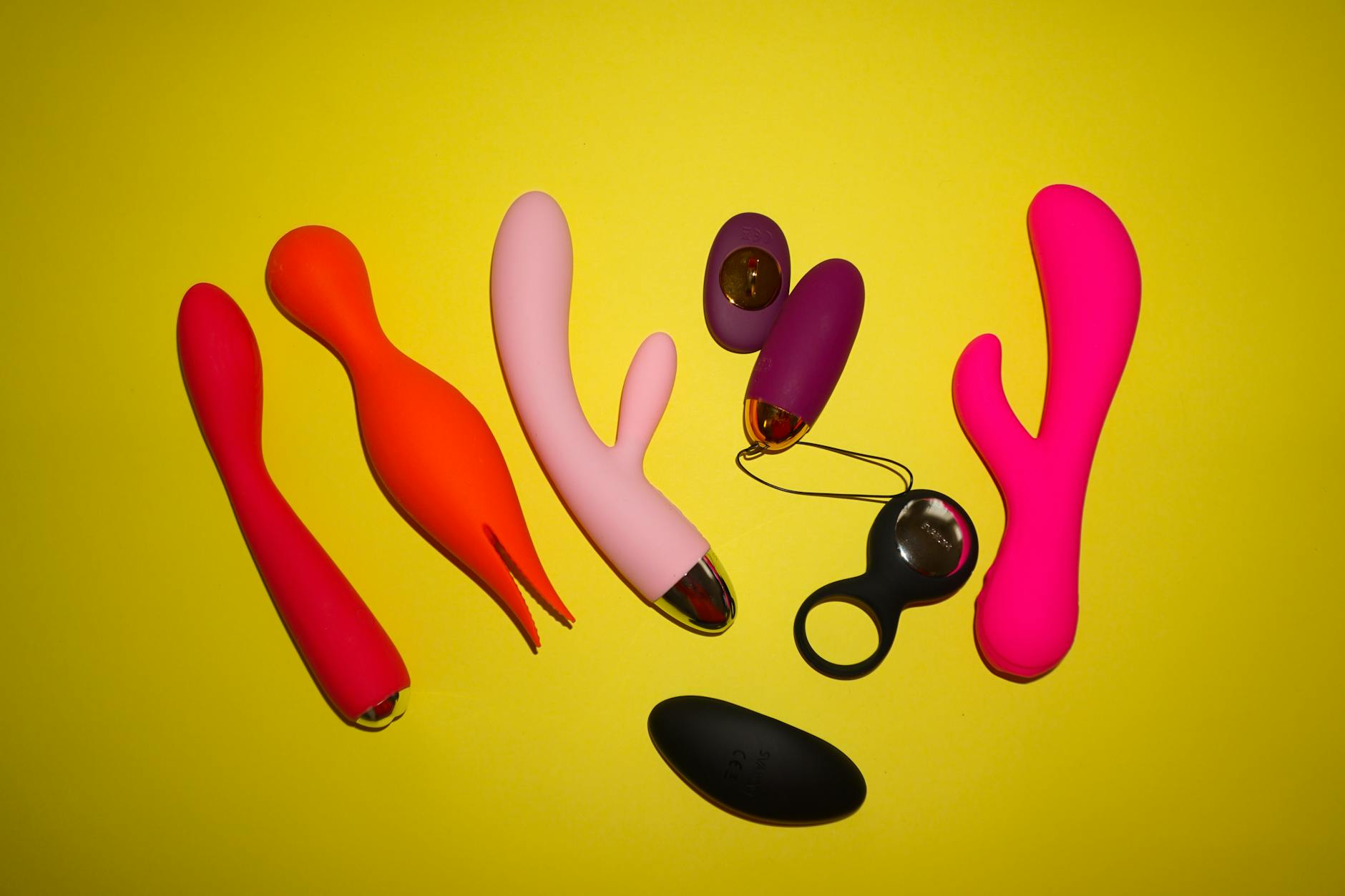
This is where lemon clitoral vibrators have an edge over traditional vibrators when you're recovering from stress or anxiety. Suction-based stimulation doesn't just vibrate at a frequency. It creates a gentle sustained pull that engages deeper nerve tissue and requires less of your nervous system to register as sensation.
Think of it this way: vibration is like tapping on a window. Suction is like pressing your hand on it with gentle, sustained pressure. When your nervous system is locked down, sustained pressure often breaks through where rapid tapping doesn't.
Lemon vibrators also tend to work at lower overall frequencies than traditional vibrators. Lower frequency means your nervous system doesn't have to work as hard to decode the signal. It's less noise, more clarity. For someone recovering from burnout or anxiety, that matters enormously.
The gentle reset: how to use lemon vibrators during recovery
The goal during this phase isn't orgasm. Honestly, chasing orgasm when you're trying to reconnect with sensation is counterproductive. Your nervous system is already in achievement mode. Adding performance pressure makes things worse.
Instead, the practice is sensation exploration. Here's how I recommend approaching it:
Start with your nervous system offline. Block 20 minutes where you have zero obligations. No partner in the next room, no phone buzzing, no mental to-do list running in the background. Your parasympathetic nervous system needs permission to activate, and it won't do that if your brain is half-listening for the kettle to boil.
Use lube generously. Stress-numbed tissue is often dry tissue. A thick, water-based lube isn't just about comfort. It's a signal to your nervous system that this is safe, slow, and not a performance. It changes the entire experience from sensation-chasing to sensation-receiving.
Start on the lowest suction setting. Resistance is your friend here. You're not trying to feel intense. You're trying to feel anything at all. The lowest setting on a lemon clitoral vibrator is often where the real neural breakthrough happens because it demands focus without overwhelming your system.
Spend 5-10 minutes just exploring where you notice even tiny shifts. Not orgasm. Not even strong pleasure necessarily. Anywhere your nervous system says "oh, that's different." The clitoral hood. The inner labia. The perineum. This is about rebuilding the neural map of what your body can feel.
Retraining your nervous system through repetition
The reason this works is neuroplasticity. Your nervous system has been trained by months or years of stress to filter out pleasure signals. You can retrain it, but it requires consistency and patience.
Using lemon vibrators three to four times a week for this purpose is more effective than once a week with intensity. You're essentially saying to your nervous system: "Okay, every few days, we're shifting out of threat mode and into reception mode. This is safe. We're doing this on purpose."
Over about four to six weeks, most people report that sensation starts returning. Not always in the dramatic way people describe in forums, but measurably. Sensation that felt completely absent comes back. Touch that felt like nothing starts registering. The nervous system begins to remember that pleasure is an option.
This is also why so many people report that lemon vibrators feel different when they're recovering from antidepressants or using them long-term. The suction mechanism bypasses some of the same numbing pathways that the medication is affecting, and that makes a real difference in what gets through.
Pairing pleasure recovery with actual stress management
Here's the part I always emphasize because it matters more than the toy itself: reconnecting with sensation only sticks if you're also addressing the stress itself.
You can't vibrate your way out of a job that's burning you out. Using a lemon clitoral vibrator might help you rebuild sensation during the recovery phase, but if you're still in constant high-stress mode, your nervous system will keep prioritizing protection over pleasure.
The effective combination is: reduce the actual stress (boundaries, time off, therapy, whatever that looks like for you), then use gentle, parasympathetic-activating practices like lemon vibrators to help your body remember what pleasure feels like. One without the other gets you partway there. Both together actually works.
When to bring a partner back into the picture
If you have a partner, the temptation is often to have them help you reconnect with sensation. I get it. But here's what usually happens: you bring them in, your nervous system realizes there's another person depending on this going well, and suddenly you're back in performance mode.
Spend at least two to three weeks reconnecting with your own sensation first, solo. Let your nervous system learn that pleasure is possible again without the extra load of another person's presence. Once you've built back some sensation and ease, then bring your partner in. That conversation itself is valuable. "I'm recovering my sensitivity, and I need to do some of that alone first" is actually sexy information to have and share.
FAQ: Rebuilding pleasure after stress
Will sensation come back completely, or will it always feel muted after anxiety?
Sensation absolutely comes back when the nervous system shifts out of threat mode. For most people, it comes back fully. That said, during ongoing stress, you might notice sensation dips and recovers as your stress level fluctuates. That's normal. Once you're genuinely out of the high-stress phase, sensation returns more consistently.
Can I use lemon vibrators while I'm still stressed, or do I have to wait until I'm "recovered"?
You don't have to wait, but the experience will be different. Using lemon vibrators while still in active stress can actually be part of the recovery process. It trains your nervous system that there are windows of safety and pleasure available. Just don't expect the same intensity as when you're more grounded. Think of it as practice.
How do lemon vibrators compare to regular vibrators for stress recovery specifically?
For stress-numbed sensation specifically, lemon clitoral vibrators have an advantage because suction operates at a different frequency and pressure profile than vibration alone. Many people find that a regular vibrator feels like nothing during recovery, but a lemon vibrator creates perceptible sensation. That said, everyone's nervous system is different. If you've found that traditional vibrators work for you during stress, that's equally valid.
Should I use the same lemon vibrator alone and with a partner, or keep it separate?
Personal preference entirely. Some people like keeping solo and partnered toys separate as a psychological boundary. Others use the same toy. The practical consideration is just that if you're recovering sensation solo, you might want uninterrupted sessions without worrying about someone else in the room. That's more about environment than equipment.
How long does it actually take to reconnect with sensation after burnout?
This varies widely, but most people report noticeable shifts within four to six weeks of consistent practice. Some feel difference within days. Some take longer if the stress was severe or prolonged. The key is consistency over intensity. Four times a week for six weeks beats once a week for six months.
Can antidepressants and lemon vibrators work together for sensation recovery?
Absolutely. In fact, many people find that when using a lemon vibrator while on antidepressants, the suction mechanism helps break through some of the numbness that the medication can create. It's not replacing the medication or working against it. It's offering a different sensory pathway that sometimes feels more accessible while medicated.
The real work isn't the toy, it's the permission
Honestly, the lemon vibrator is a tool. What actually matters is giving yourself permission to pause the achievement mentality long enough to feel something gentle. Your body wants to reconnect with pleasure. Your nervous system is just protecting itself with numbing because that's what it learned to do under sustained stress.
Using a lemon clitoral vibrator during recovery is one way to signal to your nervous system that safety has returned. It's one of the gentlest ways to retrain sensation pathways that stress has quieted down. But it only works if you're also addressing the stress itself and giving yourself actual rest.
Sensation comes back. It always does. You just have to be patient with the process and consistent with the practice. Your pleasure matters. Your body remembers that. Sometimes it just needs a little help remembering how to feel it again.