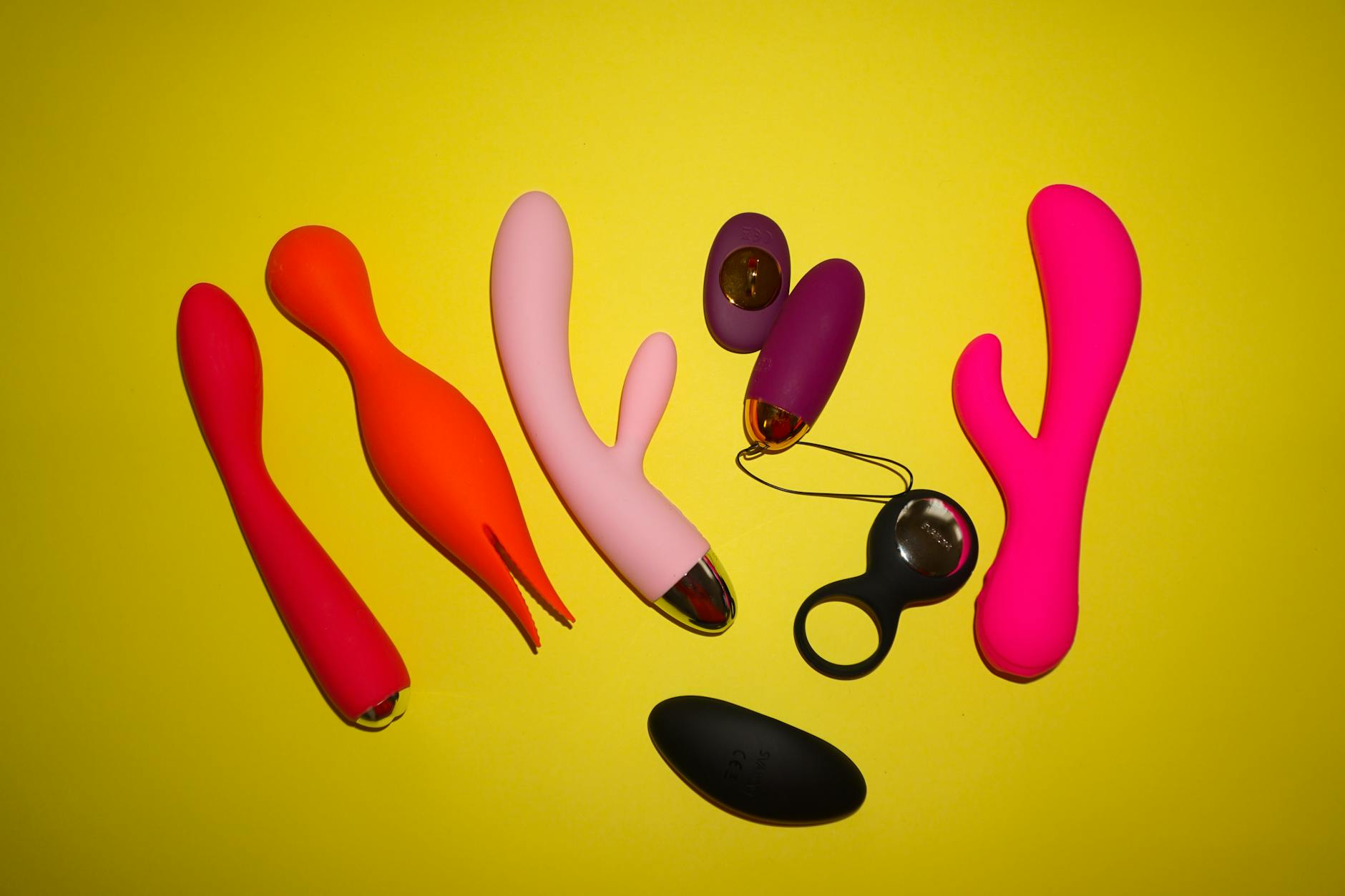
Here's what nobody tells you about pleasure and aging
Everything changes. Your skin, your bones, your metabolism, your sleep. So it makes sense you'd assume pleasure changes too. The weird part is how. Aging doesn't flatten sensation the way conventional wisdom suggests. Instead, it shifts it, sometimes dramatically, in ways that can be better than before. And lemon clitoral vibrators are weirdly good at meeting you exactly where that shift lands.
I've worked with hundreds of clients navigating pleasure across decades, and the most common thread is surprise. Not disappointment. Surprise that their 40s feel different from their 20s in ways that actually worked in their favor.
The biological reality of aging and sensation
Let's separate what's actually happening from the mythology. Nerve density in the clitoris doesn't change with age. Neither does the neural wiring that creates arousal. What does change is the skin around those nerves.
Collagen production slows starting around 30, which makes tissue slightly thinner and less elastic. Blood flow to genital tissue can decrease, especially if you're not exercising regularly or managing cardiovascular health. Estrogen fluctuation (whether from perimenopause, menopause, or just natural aging) affects tissue lubrication and thickness. And the pelvic floor, which has been doing its job for decades, sometimes gets tighter or loses tone depending on how much attention you've paid it.
But here's what doesn't happen: you don't lose the ability to feel pleasure. The clitoral nerves are still there. The brain's reward circuits still light up. Your capacity for orgasm is fundamentally intact.
Why sensation might feel muted (and how to read it)
If sensation feels duller, it's usually one of three things.
First, the direct physical change. Thinner tissue and slower blood flow mean the same amount of friction or vibration stimulates your nerves slightly less intensely than it used to. It's not that you're broken. It's that the signal is quieter.
Second, distraction and stress. Aging often comes with more stuff on your mind. Career pressures, family dynamics, financial concerns, grief, body image shifts. The cognitive load is real, and it genuinely dampens pleasure. A vibrator can't fix a stressed nervous system.
Third, habit and expectation. If you've been using the same vibration pattern for fifteen years, your nervous system has desensitized to it. You expect the same feeling, and when you don't get it, you interpret it as loss. You're not wrong. But it's not irreversible.
Why lemon suction toys meet aging bodies differently
This is where lemon vibrators deserve attention. Traditional vibrators work through oscillation at a single frequency. Over time and with age, that frequency becomes less noticeable. Suction-based stimulation, like the technology in Hello Nancy's lemon vibrator designs, works through a completely different mechanism. Instead of vibration frequency, suction creates a gentle negative pressure that stimulates the clitoral nerves through a different neural pathway entirely.
That difference matters for aging bodies. A lemon clitoral vibrator doesn't ask your aging tissue to handle the same repetitive friction. It engages the clitoris through sensation that doesn't rely on tissue elasticity or rapid blood flow responses. Clients often tell me that after they've switched from traditional vibrators to lemon suction toys, sensation feels sharper, not duller.
It's not that the lemon vibrator works "better." It works differently. And different is often exactly what your aging nervous system needs.
The mental shift that matters more than biology
Here's something nobody quantifies but I see constantly: aging often brings permission. In your 20s, you're managing someone else's expectations about your body and your pleasure. In your 40s, 50s, 60s, a lot of that falls away. You know what you like. You're less performative. You're less apologetic about taking time for sensation.
That psychological shift alone transforms pleasure. You're not rushing. You're not managing anyone else's satisfaction. You're not trying to orgasm on a timeline that doesn't feel right. You're just... present.
That presence, combined with the right tool (a lemon clitoral vibrator that doesn't depend on the tissue responses of your 25-year-old self), often unlocks pleasure that feels qualitatively richer than what came before.
The practical adjustments that help
If sensation is shifting with age, four things matter.
One: patience with warm-up time. Blood flow to genital tissue takes longer to build. Budget 15-30 minutes for arousal instead of expecting immediate response. That's not weakness. That's your body's honest timeline.
Two: reliable lubrication. Even if you produce lubrication, aging often means it's less plentiful or changes consistency. Water-based lube is your friend. It's not a sign of failure. It's a tool that lets you feel more.
Three: pelvic floor awareness. If your pelvic floor has tightened over decades (especially if you've had kids, chronic stress, or endometriosis), it can dull sensation. A therapist trained in pelvic floor physical therapy can teach you to release tension. Paradoxically, relaxation often creates more sensation than tension ever did.
Four: switching from vibration to suction, or vice versa. If you've spent decades with one type of stimulation, your nervous system has adapted to it. A lemon vibrator offers a completely different sensation profile. Even if traditional vibration feels duller, you might find that lemon clitoral suction feels vivid and new.
When sensation changes aren't age-related
Not all pleasure shifts are about aging. Sometimes they're about medication, stress, relationship dynamics, or undiagnosed medical stuff. If sensation shifted suddenly (over weeks or months, not years), that's worth investigating with a doctor. Thyroid changes, medication side effects, and hormonal shifts can all affect genital sensation, and most of those things are treatable.
Also worth noting: if you've spent years with a partner, sexual patterns develop. Sometimes what feels like a change in sensation is actually a change in what you're doing with that sensation. That's not worse. It's just different. Often better, because it's more intentional.
The permission you need
Aging changes pleasure. It does not end it. And often, the changes create space for something richer than what came before. You have fewer distractions. You know yourself better. You're less willing to waste time on sensation that doesn't feel good. Your body might need different tools (like a lemon vibrator if traditional vibration has stopped landing). But your capacity for pleasure is not a resource that expires.
The shift isn't tragedy. It's information. And information is power.
FAQ
Can a lemon vibrator help if sensation has dulled with age?
Yes, often significantly. Since lemon clitoral vibrators use suction instead of vibration, they stimulate your clitoris through a different neural pathway. If traditional vibration has become less noticeable over time, switching to a lemon sucker-style toy can feel like discovering sensation all over again. The mechanism is different enough that even if you've become desensitized to vibration, suction can feel sharp and new. Start at low settings and work up to find what resonates with your aging body.
Does aging affect how quickly you can orgasm?
Yes, typically. Blood flow to genital tissue takes longer to mobilize, which means arousal builds more slowly. Most people find they need 15-30 minutes of foreplay or solo warm-up time versus maybe 5-10 in their 20s. This isn't a problem. It's an opportunity to slow down and pay attention. Some clients tell me they discover deeper, more full-bodied orgasms once they give themselves permission to take time. Rushing pleasure is what created dullness in the first place.
Is it normal for lubrication to change as you age?
Completely normal. Estrogen levels fluctuate with age, especially around perimenopause and menopause, which directly affects how much lubrication your body produces. Even if you produce plenty, the consistency often changes. Water-based lubricant isn't admitting defeat. It's working with your body's honest chemistry. Pair it with a lemon clitoral vibrator, and you often get sensation that feels even richer than what lubrication alone provides.
Can pelvic floor tension make sensation feel duller?
Absolutely. Chronic tension in the pelvic floor (from stress, repetitive strain, pregnancy, or just habit) can compress nerves and reduce sensation. Paradoxically, learning to relax these muscles often intensifies sensation. A pelvic floor physical therapist can teach you what relaxation actually feels like. Once you release that tension, you might find you can feel a lemon vibrator or any stimulation far more vividly than before.
Does aging affect your ability to have multiple orgasms?
It can, but not always negatively. Some people find that multiple orgasms become less frequent or require longer recovery time. Others find that aging brings deeper, longer-lasting single orgasms that feel more satisfying than the quick repeats of youth. Quality often replaces quantity. The lemon vibrator advantage here is that suction creates a different type of stimulation that can sometimes trigger orgasms that feel qualitatively different than vibration-based ones, which opens new possibilities for pleasure even if the frequency changes.
What if sensation feels totally numb, not just duller?
Total numbness is worth a conversation with a doctor. It can signal thyroid issues, medication side effects, nerve compression, or hormonal changes that benefit from treatment. Numbness is different from the gradual dulling that comes with aging. Don't assume it's just age. Get it checked. Most causes of numbness are very treatable, and treatment often restores sensation quickly.
The takeaway
Your capacity for pleasure doesn't have an expiration date. Aging changes how sensation arrives, not whether it arrives. A lemon vibrator works beautifully for aging bodies specifically because suction-based stimulation engages your clitoris through a pathway that doesn't depend on the tissue responses of your younger self. Combined with patience, permission, and the right lubricant, you often find that pleasure in your 40s, 50s, and beyond is sharper, more intentional, and ultimately more satisfying than it ever was before. If you're curious about whether a lemon clitoral vibrator might be the shift your body needs, your next step is as simple as exploration with no agenda. Your pleasure matters. And it matters now.