
Okay so, suction changes the rules
If you've moved from traditional vibrators to lemon suction toys like the Lem vibrator, your tissue care suddenly matters more. I'm not saying that to scare you. I'm saying it because suction works on a completely different mechanical principle than vibration, and sensitive or thinned tissue needs a different approach to stay comfortable and actually enjoy what you're doing.
Most of what I hear from clients who've had a mediocre or painful first experience with a lemon clitoral vibrator comes down to one thing: they applied the same pressure and prep they'd used with their old vibrator. That doesn't translate. This guide walks you through what actually works.
What makes suction different from regular vibration
A traditional vibrator moves side to side or up and down. It creates stimulation through friction and motion against your tissue. A lemon suction toy, by contrast, creates a seal and applies gentle pressure. Think of it like the difference between a massage and a cup placed on your skin.
This means:
Your tissue doesn't need to be as aroused to start. With vibration, you typically need to be quite turned on for the sensation to feel good rather than irritating. Suction can feel pleasant even at lower arousal levels because the pressure itself is the stimulation.
You can't force it. If you jam a suction toy onto tissue that's not ready, you'll get soreness and discomfort. With vibrators, you can sometimes power through low arousal. Not here.
Lubrication works differently. A tiny amount of lubricant actually helps suction toys seal better and feel smoother. Too much and you break the seal. With vibration, extra lube is usually just extra comfort. Different tool, different rules.
Why sensitivity matters more with lemon vibrators
If your tissue is already thin, inflamed, or easily irritated, suction can amplify that if you're not careful. This happens with:
- Post-menopausal thinning (lower estrogen means thinner vaginal and vulval tissue)
- Lichen sclerosus or other dermatological conditions
- Recent childbirth or healing from tears
- Chronic irritation from tight clothing, douching, or harsh soaps
- Allergy to toy materials (rare, but silicone sensitivity exists)
- Medication side effects that thin mucous membranes
None of this means you can't use lemon suction toys. It means you need to be deliberate about how.
The lubricant question that actually matters
Here's what I tell almost every client who's anxious about this: water-based lubricant is your friend, but only if you pick one that won't irritate your specific tissue.
Your options:
Water-based lubes (best for suction toys): They won't damage silicone, they wash off easily, and they're compatible with literally everything. Pick one without glycerin if you're prone to yeast infections. Hyaluronic acid-based lubes feel silky and don't dry out as quickly as standard water-based options. Cost: £5-15.
Silicone-based lubes (avoid with lemon toys): These feel luxurious and last longer, but they'll degrade silicone over time. Don't use them with your Lem.
Oil-based lubes (also avoid): They're messy, stain fabric, and trap bacteria. Skip entirely.
Natural alternatives: Coconut oil feels nice but can foster bacterial growth and isn't water-soluble, so cleanup is annoying. Aloe vera gel is thinner but works in a pinch if you're in a safe territory for that specific product.
The amount matters too. For suction toys, use a light coating on the toy rim and a tiny amount on your tissue. Too much breaks the seal. Too little creates friction that irritates. You're looking for "just enough to glide smoothly."
Building tolerance if your tissue is sensitive
If you've got atrophic tissue or you're just naturally sensitive, jumping straight to a full lemon vibrator session might feel too intense. Here's a gentler entry:
Week one: Apply a tiny amount of your chosen lube. Hold the Lem vibrator on your skin for 10-15 seconds without turning it on. Just get used to the sensation of suction without stimulation. Your brain needs to learn this isn't threatening.
Week two: Turn it on pattern one (lowest setting) for 5-10 seconds. Remove it immediately. Do this once or twice during the session. Your tissue is getting acquainted with the gentle pressure.
Week three: Increase to 15-20 second bursts on pattern one. Notice what feels good versus what feels scratchy or uncomfortable.
Week four: Once you're comfortable, try moving to pattern two. Your body will tell you when it's ready to go higher.
This isn't you being "too sensitive" or broken. This is you respecting how your tissue actually works right now. That's not weakness. That's attention.
When soreness is normal and when it's a red flag
Gentle soreness for a few hours after use, similar to muscle soreness after a workout, is normal. Your tissue has been stimulated. A little tenderness is expected.
Red flags that mean you should stop and rest:
- Sharp, burning pain during use
- Visible irritation, redness, or swelling
- Soreness that doesn't improve within 24 hours
- Itching or unusual discharge
- A feeling like the toy is scraping or tearing tissue
If any of these show up, stop using the toy for a week and let your tissue recover. If it happens again the next time you try, consider whether water-based lube might help, or whether you need to use even lower suction pressure. Some bodies just genuinely do better with traditional vibration, and that's perfectly fine.
The material question: silicone and alternatives
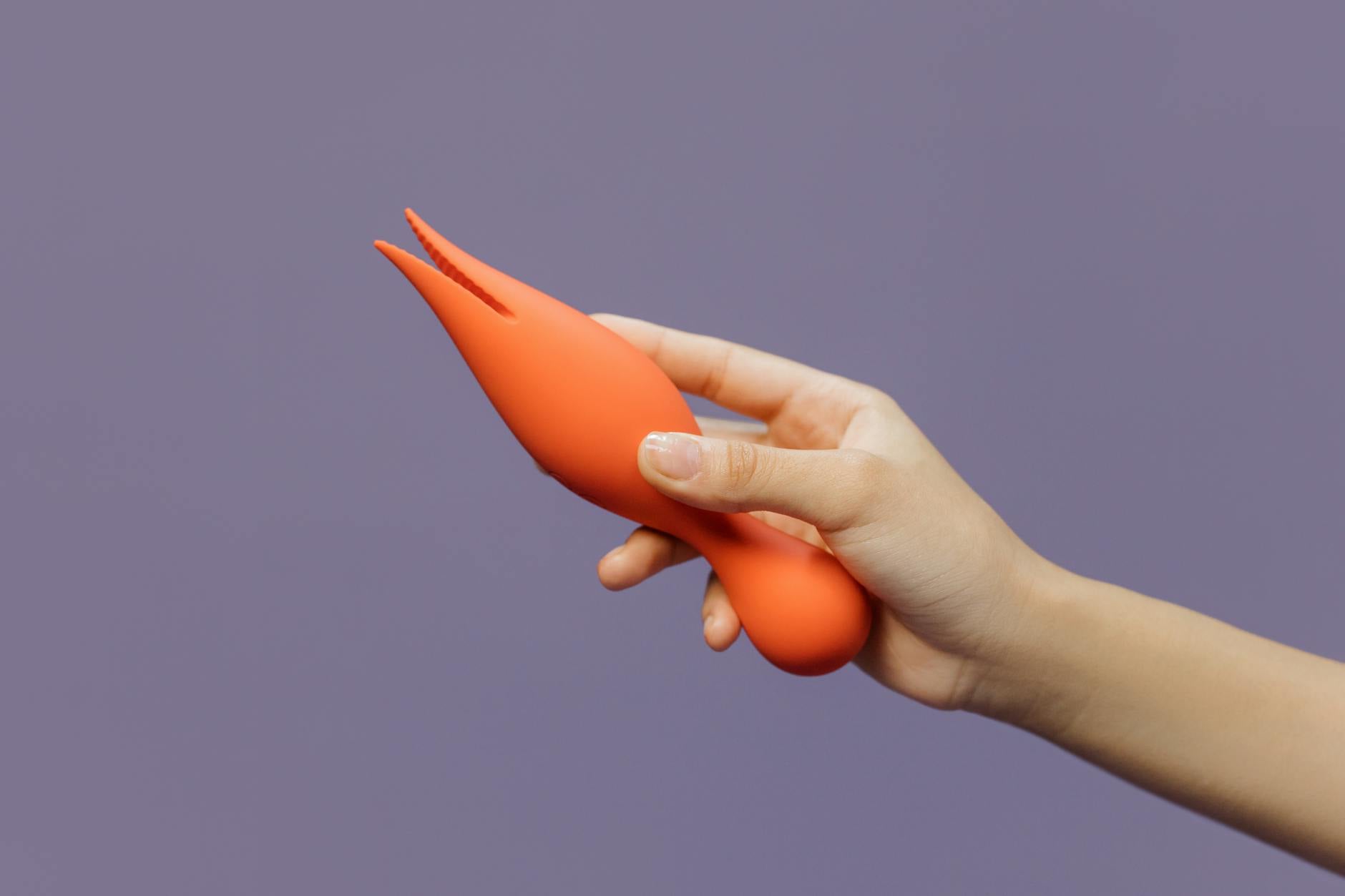
Photo by cottonbro studio on Pexels
Most lemon suction toys, including the Lem vibrator, are made from medical-grade silicone. It's hypoallergenic, non-porous, and doesn't harbor bacteria the way cheaper materials do. Silicone is genuinely better for sensitive tissue.
But if you notice irritation that doesn't improve and you suspect the material itself, a few things to check:
- Are you using silicone-based lube, which can degrade the toy and create microabrasions?
- Is the toy being cleaned properly between uses?
- Do you have a known silicone sensitivity? (This is rare but real.)
If silicone is genuinely the culprit, you'd need to explore lemon adult toys in alternative materials, though most quality options stick with silicone for good reason.
Pressure technique: the difference between comfort and damage
This is where most people go wrong. They hold the lemon clitoral vibrator in place too firmly, trying to "make sure the seal stays," and end up creating bruising or tissue damage.
Here's the actual technique:
Position it gently. Place the toy opening over your clitoris. You're not pressing. You're resting.
Let suction do the work. Once you turn it on, the suction itself creates the seal. You don't need to push. Your hand should be relaxed, almost supporting the weight of the toy rather than applying force.
Move slowly if you move at all. Unlike vibrators, where you might shift around to find the perfect angle, suction toys work best when they stay in one place. If you want to change the sensation, adjust the pattern instead of the position.
Keep it short initially. Even on pattern one, start with 30-second intervals. It might feel like nothing the first time. That's fine. Sensitivity builds.
If you find yourself gripping the toy hard, that's your signal that the sensation isn't quite right yet. Ease off. You're not doing it wrong. Your tissue is just telling you it needs a slower pace.
Post-use care that actually matters
After using your lemon suction toy, your tissue deserves a little attention.
Rinse gently with warm water. No douching, no harsh soaps. Your vulva is self-cleaning. You're just removing lube residue.
Pat, don't rub. Friction after stimulation can intensify irritation.
Skip tight clothing for a couple of hours if possible. Let air circulate.
Stay hydrated. Drink water. Proper hydration supports tissue health generally.
Wait before using again. If your tissue feels tender, give it at least 24 hours before the next session. More frequent use doesn't mean more pleasure. Rest days do.
I also recommend cleaning your lemon clitoral vibrator immediately after use. Silicone is porous enough to harbor bacteria if you let lubricant and body fluids dry on the surface. Warm water and mild soap, or a dedicated toy cleaner, takes 30 seconds and prevents a lot of potential issues.
Medication and lubrication: the connection nobody talks about
Certain medications thin vaginal and vulval tissue or reduce natural lubrication. If you're on antihistamines, some antidepressants, or hormonal treatments, this affects how lemon vibrators feel.
You might need to use more lubricant than someone who isn't medicated. You might also need to use lower suction patterns. There's no shame in that. Your tissue is working with different chemistry. Adjust your technique accordingly.
If you're on hormone replacement therapy (HRT), you might find that your tissue tolerance actually improves over time as estrogen levels stabilize. Keep track of what patterns and lube quantities feel best now, and revisit in a few months. Your needs might shift.
The conversation with yourself about readiness
Honestly? The biggest mistake I see isn't about lubricant or technique. It's people pushing themselves to use a toy before they're actually ready.
You don't need to use a lemon suction toy just because it's popular or because someone online said it changed their life. If you're still figuring out what your body enjoys, how lemon vibrators compare to traditional vibrators for beginners might be more useful than diving straight in.
If you have significant anxiety about penetration or touch, that's worth addressing separately from any toy purchase. A lemon adult toy won't resolve emotional blocks. It can enhance an already healthy experience, but it can't create one.
Use the toy when you're genuinely curious, not when you feel like you should.
Frequently asked questions
Can I use a lemon vibrator if I have lichen sclerosus?
Lichen sclerosus makes tissue thin, pale, and easily irritated. Suction toys can work, but you need to be extremely gentle. Start with the absolute lowest setting, use plenty of water-based lubricant, and keep sessions very short. If irritation gets worse, stop. Some people with LS find traditional vibration more comfortable. Talk to your dermatologist before trying any new toy.
What's the difference between water-based lube brands for suction toys?
Glycerol-free water-based lubes are best if you're yeast-infection-prone. Hyaluronic acid versions feel silkier and last longer before drying out. Aloe vera gels are lighter but less slippery. All work with silicone toys. Pick one and stick with it for a few weeks to see how your tissue responds. If irritation shows up, switch brands.
Does using a lemon clitoral vibrator regularly make my tissue more sensitive or less sensitive?
Regular, gentle use can actually improve tissue health over time by increasing blood flow and keeping the area responsive. But there's a ceiling. If you're using maximum suction every single day, you can numb your tissue temporarily. Most people find that 3-4 times a week leaves plenty of recovery time while keeping sensation sharp.
Can I use a lemon sucker if I'm pregnant?
Talk to your midwife or obstetrician. Most external stimulation during pregnancy is fine, but every pregnancy is different. Some care providers recommend against anything that creates intense pressure changes. Get clearance first.
Is it normal for a lemon vibrator to hurt the first time?
Pain during the first use usually means one of three things: you need more foreplay and arousal, you need lubricant, or you're applying too much pressure. Mild discomfort or strangeness is normal. Sharp pain isn't. Stop, add lube, and try again later at a lower setting. If it still hurts, your tissue might just prefer traditional vibration.
How do I know if I'm allergic to the toy material?
Allergy to medical-grade silicone is incredibly rare. But if you develop itching, swelling, or hives only when using the toy, wash it thoroughly and wait a week. If symptoms don't return, it might have been residual lube irritation. If they return immediately when you try again, you might have a sensitivity. Switch to a different material or skip this toy type.
The bottom line
Lemon suction toys work brilliantly for people with sensitive tissue or thinned vaginal tissue, but only if you respect how they work mechanically. Different toy, different rules. Water-based lubricant, gentle pressure, lower initial settings, and genuine foreplay transform the experience from potentially painful to genuinely pleasurable.
Your tissue tells you what it needs. Listen to it. Adjust your technique. Be patient. The rewards are worth the attention.