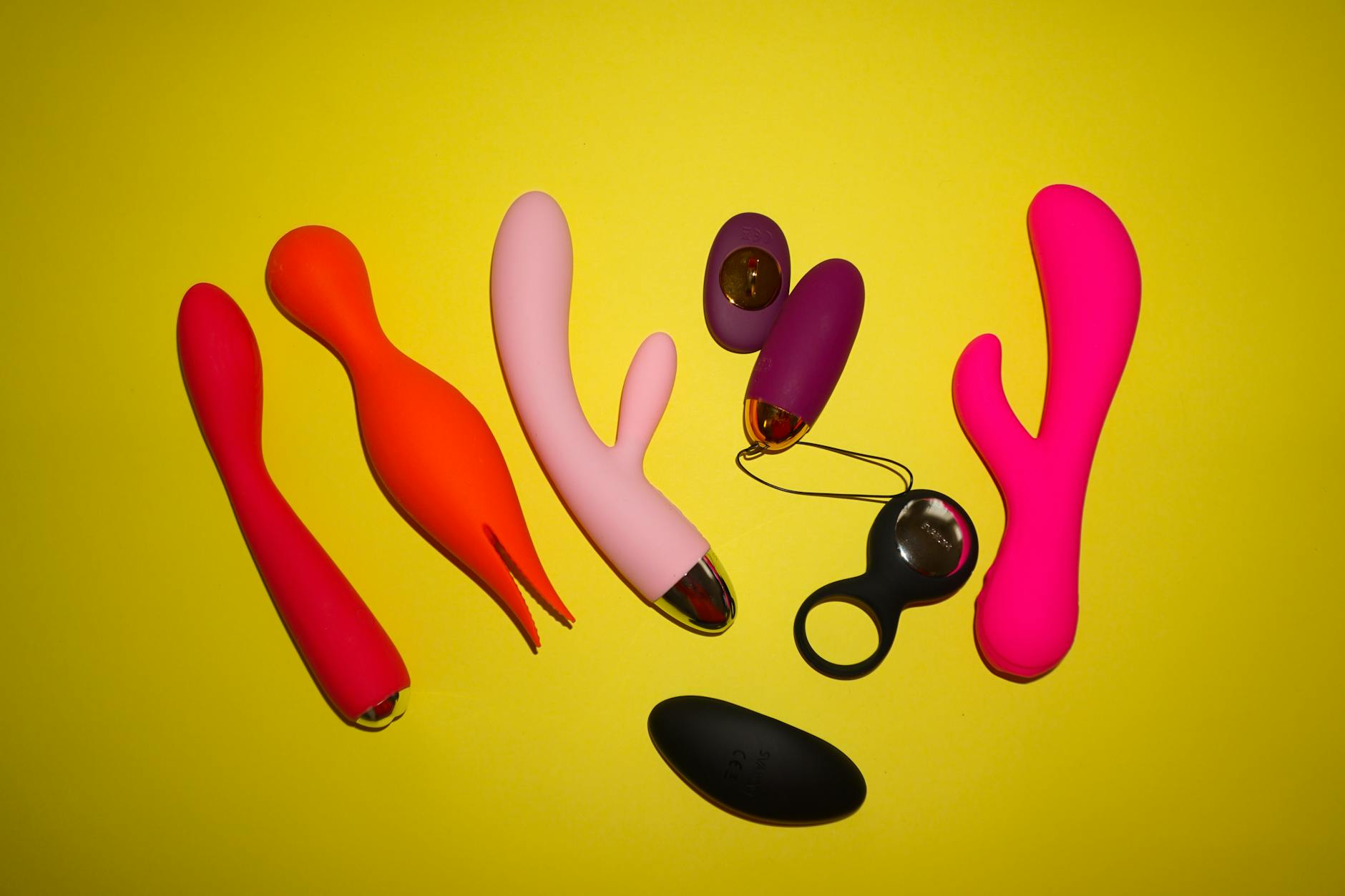
Here's the thing about lemon vibrators
They're not universal. That's the uncomfortable truth nobody wants to say, especially brands that want to sell you something that works for everyone. A lemon clitoral vibrator is brilliantly engineered, but whether it's the right choice for your body depends on actual anatomy, your baseline sensitivity, and what kind of stimulation your nervous system responds to. Knowing this before you buy saves money, frustration, and wasted hope.
What makes lemon vibrators different from what you've tried
A lemon vibrator uses air-suction technology instead of traditional vibration. Instead of the toy moving back and forth thousands of times a second, it gently pulses suction around the clitoris. Think of the difference between someone tapping your arm repeatedly versus someone lightly pressing and releasing. Both create sensation. They feel wildly different.
This matters because if your body has spent years responding to wand vibration or direct contact, the suction approach might feel like nothing at first. Or it might feel overwhelming. Neither reaction means the toy is broken. It means your body is unfamiliar with the pattern.
The anatomy question: clitoral shape and position
Your clitoris has a head (the glans) and a hood of tissue covering it. Some people's hoods sit loose and moveable. Others have hoods that fit snug against the glans. This changes everything about how suction feels.
If your hood is loose, a lemon vibrator's gentle suction might feel too soft initially. You might need to work up the intensity ladder slowly. If your hood sits tight against your clitoris, that same suction could feel strong immediately because there's less distance between the toy's opening and the sensitive tissue.
You don't need to examine yourself with a speculum. Just notice: when you touch your clitoris through your underwear versus directly, does the hood move easily? Does it feel like a distinct covering you can shift? If yes, you probably have a moveable hood and might need to start lower on the intensity settings. If it feels fixed and the clitoris is always mostly covered, you'll likely move up the settings faster.
Clitoral size also varies. Some people have a larger glans, others smaller. A bigger head means more surface area for the suction to work on, which can feel more efficient. A smaller glans might need more precise positioning to feel the suction at all. This doesn't mean smaller is worse. It means you might need to angle the toy differently or use the positioning tip below.
Sensitivity baseline: where you actually sit on the spectrum
Sensitivity isn't binary. You're not "sensitive" or "not sensitive." You sit somewhere on a spectrum that can also shift depending on where you are in your cycle, stress levels, how long it's been since you've had sex, and your current medication.
If you've always needed a strong, direct vibration to orgasm, you might find a lemon vibrator feels gentle at first. That's not a problem if you're willing to spend time exploring. Many people discover that gentle suction actually gets them to orgasm faster once their body learns the pattern. The stimulation is more focused, less numbing over time.
If you're on the sensitive end of the spectrum and even soft vibration has made you sore or numb, a lemon clitoral vibrator might actually be your sweet spot. The suction isn't vibration. It doesn't create the same fatigue in your tissue. People with vulvar pain conditions, nerve sensitivity, or who've experienced numbness from other toys often report that lemon vibrators work better for sensitive skin types.
Lubrication and fit: does your body geometry work with the device
A lemon vibrator creates suction by creating a small seal between the toy's opening and your clitoral area. That seal needs some moisture to work well, but not a lot. Your natural lubrication is usually enough, especially once you're aroused.
If you naturally run very dry (from anxiety, hormones, certain medications, or just your baseline), you might find the suction doesn't create a strong sensation at first. A tiny bit of water-based lubricant can fix this without any hassle. You're not broken. The device just works better with a light layer of slickness.
Fit also matters in an unexpected way. If you have a very prominent clitoral glans, the toy's opening might not fully cover your clitoris, which means you won't get a good seal no matter what you do. This is rare, but it happens. If you're curious whether you have this anatomical variation, watch a couple of reviews from people who've used air-suction toys. See if anyone mentions fit issues. If they do, and their clitoris looks similar to yours, that's a data point.
Arousal time: how long your body actually takes to warm up
One of the weirdest things about lemon vibrators is that they often feel better the more aroused you are. Early on, the sensation might feel weird or light. Fifteen minutes later, once you're genuinely turned on, that same toy at that same setting can feel completely different.
This is the opposite of traditional vibrators, which often feel intense immediately and can numb your tissue the longer you use them. A lemon vibrator tends to build. If you're someone who needs a long warm-up period anyway, that's actually perfect. You're already giving yourself time to get aroused. The toy will feel better as you go.
If you prefer quick, efficient orgasms with minimal buildup time, you might find the ramp-up frustrating. That doesn't mean a lemon vibrator won't work for you. It means you might need to pair it with some other form of stimulation (a partner, penetration, fantasy) to get yourself genuinely aroused before the suction feels good.
The real question: what do you actually want from pleasure right now
This is the one nobody asks. You can have the perfect anatomy for a lemon clitoral vibrator and still hate it if it doesn't match what you're looking for in this moment of your life.
If you want intense, fast, almost aggressive stimulation, a lemon vibrator might not deliver that. If you want something that helps you relax during sex, that works well with a partner, or that lets you stay present (instead of chasing numbness), a lemon vibrator is often brilliant. If you're interested in reconnection after a gap in your relationship or working through anxiety during sex, the gentle, steady suction pattern can be genuinely transformative.
Different toys serve different purposes. A wand vibrator is great for fast results and powerful sensation. A lemon vibrator is great for precision, gentle building, and exploring sensation without numbing. If you're someone who's been using the same toy for years and it's stopped working, it's worth trying something completely different. But if what you already use works, and you're happy, you don't need to switch.
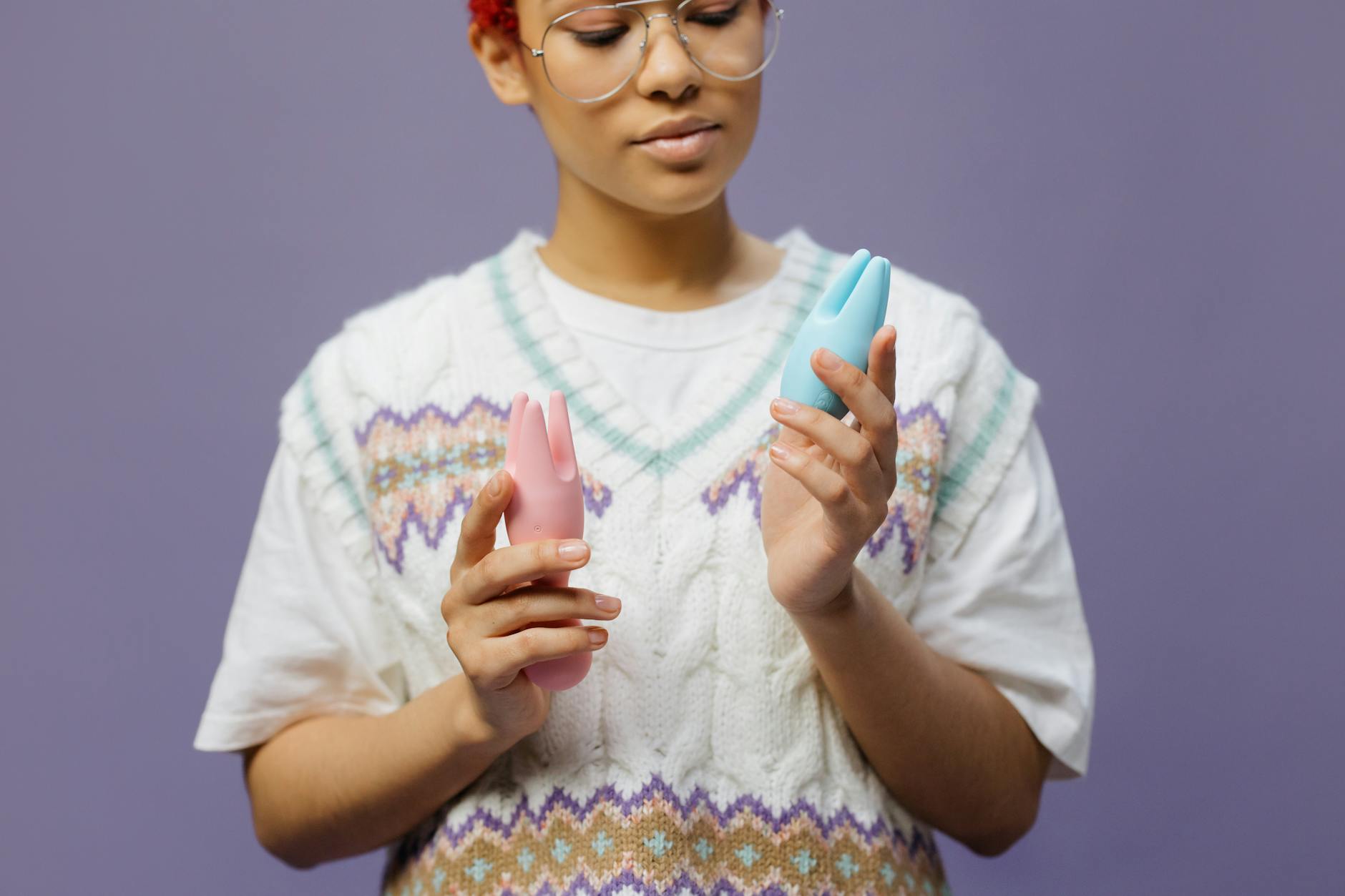
Photo by cottonbro studio on Pexels
How to actually test if a lemon vibrator is right for you
Borrow one if you can. Ask a friend. Check if your local sexual health clinic has demo models (many do). Buy from a place with a good return policy and give yourself at least three separate sessions before deciding it's not for you. Your body needs time to learn a new sensation pattern.
Start on the lowest setting. Spend time positioning it. Move it around slightly. Some people find that angling it upward works better. Others prefer directly over the glans. That positioning matters way more than you'd think.
If after three or four tries it still feels like nothing, you probably have an anatomy mismatch or you're someone whose nervous system genuinely prefers traditional vibration. Both are fine. There's no reason to force it.
If it feels odd or weak at first but better as you go, keep going. Your body is learning.
Filtering out the marketing noise
Brands (including ones in the sexual wellness space) will tell you their product works for everyone. It doesn't. No toy does. What matters is honest information about who it tends to work well for and who might need to approach it differently.
A lemon clitoral vibrator works exceptionally well for people with sensitive tissue, anyone who's experienced numbness from traditional vibrators, people who need longer warm-up time, and people who prefer precision to power. It's less ideal for people who need intense stimulation quickly, people with very dry baseline lubrication, or anyone whose anatomy makes it hard to create a seal.
You're not going to know which camp you're in until you try. But if you go in knowing what to look for, you'll make a smarter decision.
Frequently asked questions
How do I know if my clitoris is too small for a lemon vibrator?
Your clitoris is probably not too small. The glans (the part you can see) varies in size, but the entire clitoral structure extends internally and is way larger than most people realize. What matters more is whether you can create a seal. If the toy's opening is significantly larger than your visible glans, you might not feel suction. But this is genuinely rare. Most people can find a position that works.
Will a lemon vibrator feel different if I'm on my period?
Yes. Your clitoris swells during menstruation due to increased blood flow, which means lemon vibrators feel more intense during your cycle. You might want to start on a lower setting than you normally use. Your tissue is also more sensitive, so the suction can feel either amazing or overwhelming depending on the day. Pay attention to what your body actually wants.
Can I use a lemon vibrator if I've had pelvic surgery?
It depends on the surgery and your recovery timeline. If you've had a cesarean, hysterectomy, or other abdominal surgery, wait until you're fully healed and cleared by your doctor. If you've had pelvic floor physical therapy or treatment for vaginismus, a gentle tool like a lemon vibrator can actually be helpful once you're ready to explore. Talk to your pelvic floor therapist or gynecologist first. They know your specific situation.
Is a lemon vibrator good if I can't orgasm easily?
It depends on why you struggle to orgasm. If it's because traditional vibrators numb you out, a lemon vibrator often helps. If it's because of anxiety, stress, or relationship factors, the toy alone won't fix it, but the gentle precision might help you tune into sensation in a way that's useful. If orgasm difficulty is related to medical issues or medications, talk to your doctor before trying anything new. The toy is a tool, not a cure.
What if a lemon vibrator feels too intense for me?
Start on setting one and stay there for a full session before moving up. Build your arousal for ten to fifteen minutes before using the toy. Make sure you have a bit of lubrication. If it still feels intense, you might just be someone who prefers gentler stimulation overall, which is completely normal. There's no medal for tolerating strong sensations. Use whatever feels good.
Can I use a lemon vibrator if I've never had an orgasm?
Yes, though it's not magic. If you've never had an orgasm, a lemon vibrator offers a different type of stimulation that some people find more approachable than traditional vibration. The key is patience, time, and reducing pressure. If you're looking for guidance on how to start, our beginner's guide walks through the actual process step by step.
The bottom line
Knowing whether a lemon vibrator is right for your body means understanding your clitoral anatomy, your baseline sensitivity, your arousal timeline, and what you actually want from pleasure right now. Not every body responds the same way to suction technology, and that's not a failure of the toy or your body. It's just biomechanics.
If you're curious, try one with a forgiving return window. Give it real time. Pay attention to what changes as you get more aroused. Your body will tell you whether this is the tool for you. And if it's not, that's useful information too. You'll know what to explore next.
If you have more questions about whether a lemon vibrator is a fit for your specific situation, reach out. We're here to help.