
Here's the thing nobody tells you about pelvic surgery
Your gynaecologist will hand you a discharge sheet with restrictions: no tampons, no penetration, no heavy lifting for six weeks. What they often don't mention is that pleasure exists on a spectrum, and you don't have to wait until you're "cleared" to start reconnecting with your body.
Most pelvic surgeries—whether it's a hysterectomy, fibroid removal, endometriosis excision, or uterine procedures—don't permanently damage your capacity for orgasm. What they do is create temporary inflammation, scar tissue sensitivity, and neurological caution. Your body is protecting itself.
The question isn't whether you can feel pleasure again. It's how to return to it safely, without triggering pain or complications. And lemon vibrators, specifically, offer a path forward that's gentler than you'd think.
Why external clitoral stimulation is often the safe restart
Here's where the recovery timeline gets confusing. Most surgeons clear you for external-only touch before penetration. And that distinction matters because your clitoris sits outside the surgical field in most pelvic procedures.
If you had a hysterectomy, fibroid removal, or any surgery inside the uterus or deep pelvis, the clitoral tissue itself isn't usually affected. The surrounding pelvic floor is inflamed and healing, sure. But the clitoral nerves and surface tissue? They're often safe to stimulate much earlier than full sexual activity.
Lemon vibrators and suction-based clitoral stimulation sit in a middle zone: more intense than fingers alone, far less risky than penetration or vigorous friction during early recovery. The air-pulse design means you're not applying direct mechanical pressure to healing tissue. You're creating rhythmic suction on external skin only.
That distinction is why many people find they can return to some pleasure—solo pleasure—within 3-4 weeks, while full partnered sex might wait until week six or beyond.
When to actually start: the real timeline
Don't start on day one. Your body needs shock absorption. Most surgeons recommend waiting at least two weeks before any sexual activity or self-touch that's intentional and rhythmic. Two weeks allows the surgical site to move past acute inflammation.
By week three, many people are ready to explore. But here's the key: ask your surgeon specifically about external clitoral stimulation. Don't ask about "sex" or "masturbation." Be precise. "Can I use external clitoral stimulation with a vibrator?" gives you a clear answer.
Some surgeons will give you a green light at week three. Others will want to wait until week five or six. Honor that guidance. Your surgeon knows your specific procedure, scar placement, and complication risk.
Once you have clearance, start slow. Really slow. Week one of vibrator use doesn't mean daily sessions. It means one gentle exploration, 5-10 minutes, once or twice.
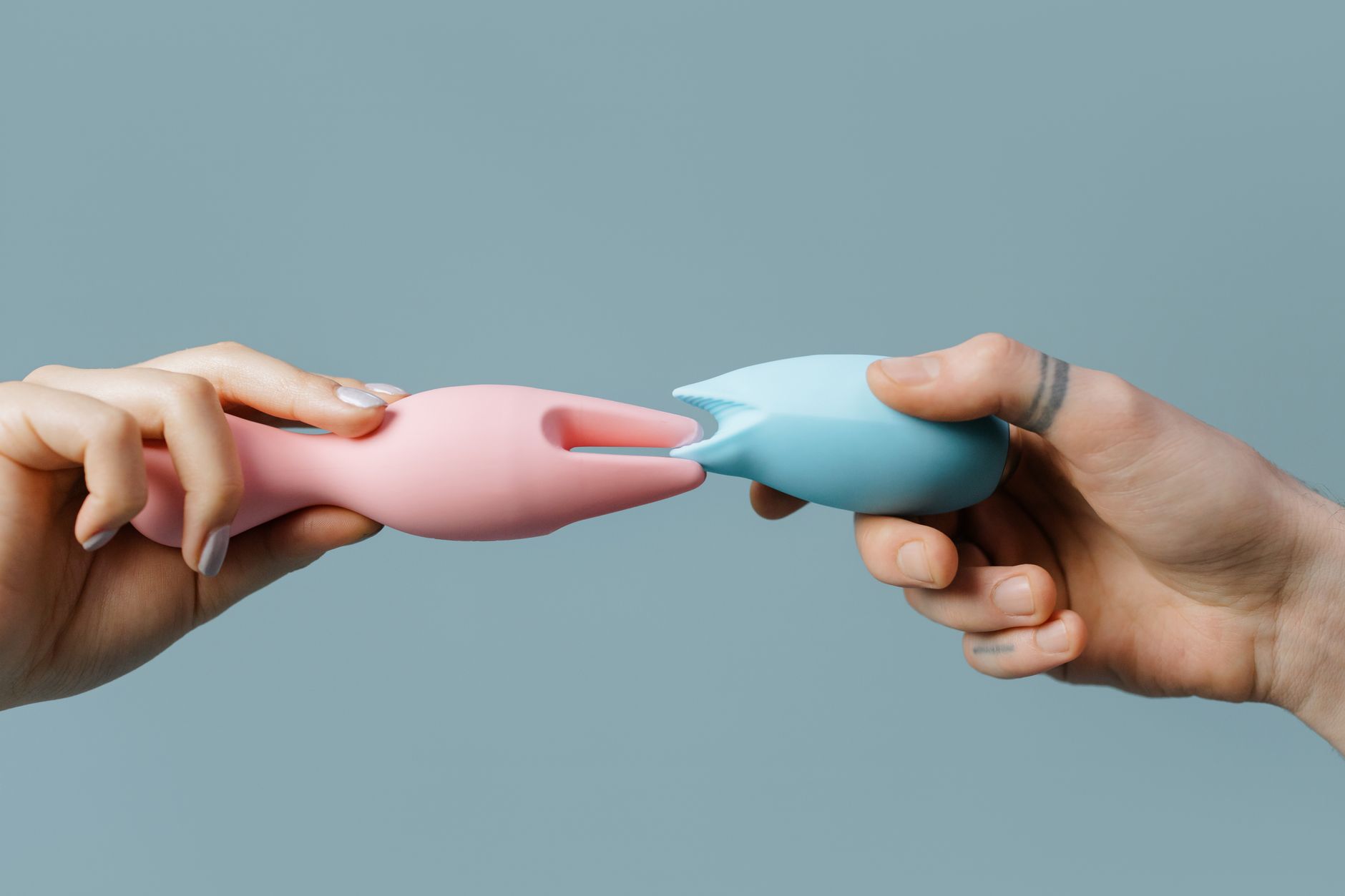
Photo by cottonbro studio on Pexels
How to use a lemon vibrator during early recovery
The air-pulse suction design of lemon vibrators makes them particularly suitable for post-surgical bodies. Here's how to actually use one safely:
Start with pattern one and the lowest intensity. Lemon vibrators have multiple suction patterns and power levels. Most have at least 5-10 settings. Begin at the gentlest option. You're not looking for maximum sensation. You're reacquainting your nervous system with pleasure, gently.
Use generous lubrication. Even though you're not entering anything, lubrication reduces friction on sensitive external tissue and makes the suction sensation feel smoother rather than grabby. Water-based lube is safest if you're still on any post-op medications.
Keep sessions short and infrequent. During weeks three to four, aim for once or twice weekly, never more than 10-15 minutes. Let your pelvic floor tell you what it needs. If you feel cramping, pressure, or increased discharge afterward, you've done too much too soon. Step back.
Expect sensation to feel different. Pelvic surgery swells the tissue, changes blood flow, and sometimes creates patches of numbness or hypersensitivity. Your orgasm, if it arrives, might feel flatter or arrive from a different angle than before. That's normal. It usually shifts back within 3-6 months.
What pain signals mean (and what doesn't)
Mild pressure or the sensation of "working through discomfort" is different from pain. Sharp pain, sudden cramps, or feeling like something is tearing—those are stop-now signals.
Mild aching during or after a session, or mild cramping for a few hours after? That's often just your pelvic floor reminding you it's still healing. It can improve with more gentle sessions, or it can mean you need to back off frequency.
Increased bleeding or unusual discharge after stimulation? That's a call-your-surgeon signal. It might mean scar tissue is irritated or you're doing too much too soon.
Most people find that starting gently, respecting the timeline, and using low-intensity settings on a lemon clitoral vibrator creates zero complications. But your body is unique. Listen to it.
The mental side of recovery pleasure
Honestly, the hardest part of returning to pleasure after pelvic surgery isn't physical—it's psychological. You've been told your body needs rest. You've had someone's hands inside you for a medical reason. The idea of choosing stimulation can feel wrong or premature.
It's not. Gentle self-touch and external stimulation are part of reconnecting with your body and rebuilding trust in it. Your body just did something significant. It's healing. Offering it gentle pleasure—pleasure you choose, pace, and control—is a form of care.
If you have a partner, the mental piece gets more complex. Some couples feel pressure to resume "normal" sex as soon as it's medically safe. It isn't always emotionally safe, and lemon vibrators offer a middle path. You can experience pleasure and intimacy with a partner present—their hands on yours, watching together—without the penetration that still feels risky.
Pelvic floor considerations you can't ignore
Pelvic surgery changes your pelvic floor muscle tone. Muscles get tight, then loose, then tight again during healing. Adding vibration can sometimes aggravate that tightness if you're not careful.
If your pelvic floor feels contracted or tense during vibrator use, stop. It's not a sign to push harder. It's a sign your nervous system isn't ready yet. Switch to hands-only touch, breathing work, or come back next week.
Conversely, if you had pelvic floor physical therapy as part of your pre- or post-op care, gentle vibration can actually help you reconnect with those muscles in pleasure context—different from a therapy session. That shift matters psychologically.
Many people benefit from a pelvic floor physical therapist's clearance alongside their surgeon's clearance. If you had pre-op PT, ask them specifically about vibrator use during recovery.
The return-to-partnered-intimacy conversation
If you're in a relationship, how you use a lemon vibrator affects your partner too. Even solo pleasure sends a signal: you're ready to feel good again. Some partners worry about being replaceable. Others are relieved to see pleasure returning and feel less pressure to "perform" before their own comfort returns.
Have the conversation early. "I want to start exploring pleasure again, gently, mostly solo. This isn't about you. It's about me remembering my body works." That framing shifts the dynamic from "what can you do for me" to "I'm taking care of myself."
When you're both ready, using a lemon vibrator together during early recovery can be bridging intimacy. Your partner can hold it, or you can guide their hand, or you can use it while they're present. That's different from penetration and often feels safer to both of you during the healing phase.
FAQ: Your real questions about lemon vibrators and post-surgical recovery
How soon after surgery can I use a lemon vibrator?
Ask your surgeon for clearance on external clitoral stimulation specifically. Most give the green light around week 3-4, but some want to wait until week 6. The exact timing depends on your procedure, scar location, and healing progress. Don't guess. Ask.
Will using a vibrator mess up my surgical healing?
No, if you start gently and respect your body's signals. External clitoral stimulation with a lemon vibrator creates suction rather than friction. The risk is minimal if you use low intensity and don't overdo frequency. More people have complications from ignoring pain signals than from gentle early exploration.
Can I have an orgasm after pelvic surgery?
Yes. Most people can, though the sensation might feel different for a few months as swelling reduces and nerves stabilize. Orgasms during early recovery might be softer, arrive differently, or take longer. That changes as healing progresses. Be patient with the process.
What if I feel numbness or changed sensation?
That's normal. Pelvic surgery temporarily affects nerve signaling in the area. Numbness or tingling can persist 2-6 months. Gentle, regular (not aggressive) stimulation with a lemon vibrator can sometimes help nerves "wake up," but forcing sensation never works. Let it return naturally.
Is it safe to use a lemon vibrator if I'm still having discharge or bleeding?
Light spotting or discharge during early recovery is normal. If vibrator use increases bleeding significantly or causes heavier discharge, back off. Increased fluid after stimulation can mean you're triggering inflammation. Give yourself more time.
Can I use a lemon vibrator internally after surgery?
Not until your surgeon clears penetration, which is usually week 6 or later. Even then, start externally only. Return to internal stimulation gradually, with lots of lubrication, and only if it feels genuinely comfortable. Your pelvic floor needs time to trust sensation again.
The long view on pleasure and recovery
Pelvic surgery isn't the end of your sexual self. It's a plot twist. Your body heals. Sensation returns. Orgasms come back, sometimes different, sometimes better than before.
The goal during those early weeks isn't to reclaim your pre-surgery pleasure exactly. It's to rebuild trust between you and your body. To relearn that it's safe to feel good. To remind your nervous system that pleasure exists on a spectrum and doesn't require intensity or performance.
A lemon vibrator, used with patience and respect for your timeline, is a tool for that rebuilding. It's gentler than many alternatives. It requires no penetration. It gives you control over intensity and pattern.
Start low. Go slow. Listen to your body. And give yourself grace. Recovery isn't linear. Some weeks will feel like progress. Others will feel like you're back at square one. That's normal too.
Your pleasure will return. It's just going to take the time it takes.