Your clitoris isn't broken. It's changing.
You're not imagining it. Clitoral sensitivity absolutely dulls sometimes. It happens to almost everyone at some point, and it's usually not permanent. But when it does happen, direct vibrators can feel muted, frustrating, or even annoying. The good news: lemon vibrators and clitoral suction toys work differently, which is why they often feel more effective when sensation needs a reset.
Why clitoral sensitivity shifts
Think of your clitoris like a nerve highway. The signals get quieter for several reasons that have nothing to do with dysfunction.
Stress and cortisol. When you're stressed, your nervous system pulls blood away from your genitals and toward your fight-or-flight organs. Your clitoris literally has less circulation. Less blood means less arousal responsiveness and fewer nerve signals firing. This is why women in high-stress periods often report numbness or flatness during sex.
Hormonal fluctuations. Progesterone peaks can dull arousal and clitoral response. Birth control changes, cycle phases, and perimenopause all shift these patterns. You're not losing your clitoris; your hormones are just turning down the volume temporarily.
Repetitive stimulation desensitization. This one surprises people. If you've used the same vibration pattern at the same intensity for months, your nerve endings adapt. They stop firing as dramatically. It's neuroplasticity, not numbness. Your brain and body are just used to the signal.
Age and estrogen shifts. Tissue gets thinner as estrogen drops. Thinner tissue means slightly different sensation properties, not less capacity for pleasure. But it does feel different, and different often reads as duller at first.
None of these require fixing. They require adjustment.
Why lemon vibrators feel sharper when sensitivity dulls
Direct vibrators rely on repetitive contact and friction to create sensation. When your clitoris is less responsive, you need more vibration, more pressure, or more time. That can become tiring or frustrating.
Lemon vibrators work through air-pulse suction technology. Instead of vibration, they create a gentle rhythmic suction and release pattern that pulls tissue slightly away from the body, then releases. This mechanism stimulates nerves differently. It's not percussion; it's more like a pulsing squeeze.
Here's why that matters when sensation feels muted: suction creates a broader nerve activation pattern. You're not hammering one spot with vibrations; you're creating a rhythmic change in pressure and tissue position. For dulled sensitivity, that broader activation often feels more noticeable.
In clinical observation, people who report clitoral numbness or reduced sensation often find that suction-based lemon vibrators wake things up faster than returning to traditional vibrators. You're not forcing more sensation through sheer intensity; you're using a different neurological pathway.
How to actually use a lemon vibrator when sensation feels flat
Start with the lowest intensity and longest warm-up. Don't expect immediate fireworks. Your nervous system needs time to wake up. Spend 15-25 minutes on patterns 1-2 of the lemon vibrator, building slowly. You're retraining your body's responsiveness, not forcing it.
Vary the contact angle slightly. If you hold a lemon vibrator directly centered on your clitoris, you'll get one type of stimulation. Try holding it at a 45-degree angle, pressing lightly to one side, or positioning it over the hood rather than the glans. Different angles activate different nerve clusters. Flat sensation often improves when you're exploring the whole zone, not fixated on one perfect spot.
Use lubrication even if you don't think you need it. When sensation is dulled, most people assume they need less lubrication. The opposite is true. Lubrication reduces friction and allows the suction mechanism to work more smoothly. It also extends your session without discomfort. Water-based lube is your friend here.
Build anticipation, not momentum. Dull sensation responds better to slow, patient escalation than to intensity chasing. Use a lemon vibrator for 5-10 minutes at pattern 1-2, rest for 2 minutes (seriously), then return at pattern 2-3. Your nervous system needs recovery time to recognize the signal. Rest is part of the retraining.
Pair it with breath work. This sounds woo, but it's neurology. When you slow your breathing and focus on exhaling, your parasympathetic nervous system activates. That system controls arousal. Dull sensation often improves when your nervous system feels safe. Breathe in for 4 counts, out for 6. Let your body slow down into the pleasure.
The mindset piece that nobody talks about
Flat clitoral sensation often comes with frustration or doubt. You stop believing your body will respond, so you grip harder, go faster, chase harder. Your nervous system reads that as threat, which makes sensation even quieter.
When you're using a lemon vibrator for dulled sensitivity, you need permission to slow down. You need to trust that responsiveness returns, even if it takes weeks. The suction mechanism works, but only if you're actually present for it, not white-knuckling through it.
If you're used to sensation feeling sharp and immediate, flat sensation can feel broken. It's not. It's your body asking you to pay attention differently.
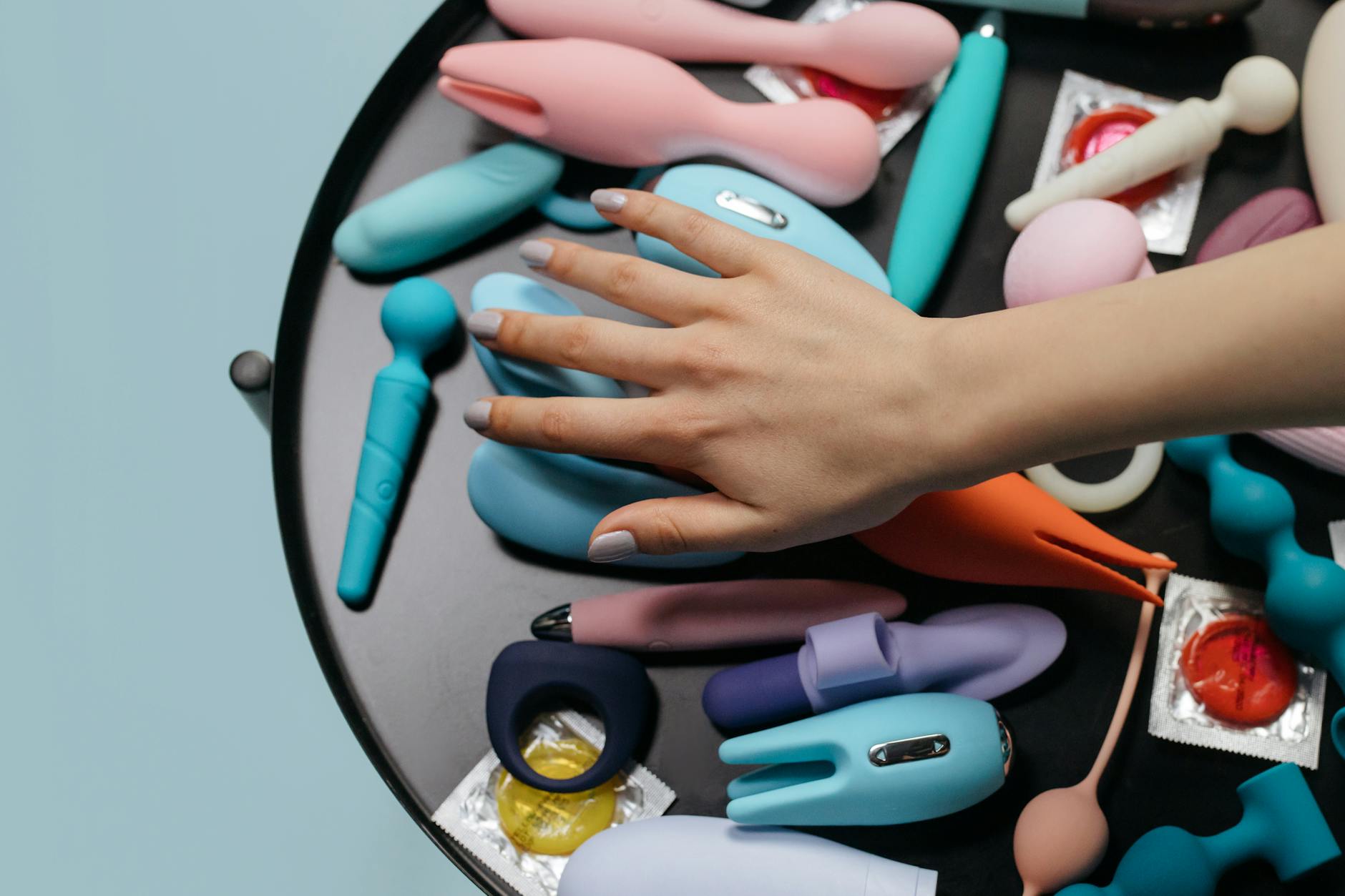
 Photo by cottonbro studio on Pexels
When dull sensation is worth investigating further
Numbness that's been present for months, across multiple contexts, and isn't connected to stress or cycle changes might be worth mentioning to a healthcare provider. Certain medications (including some antidepressants and birth controls) can affect clitoral sensation. Nerve issues from diabetes, pelvic trauma, or other conditions sometimes show up this way.
You don't need to see anyone if sensation is improving on its own. But if it's complete absence of any sensation lasting longer than 8-12 weeks, and lemon vibrators or other approaches aren't helping, a conversation with a gynecologist trained in sexual function is worth it. It's probably nothing serious, but peace of mind matters.
The reset protocol
If you want to fully restart your clitoral sensitivity, here's a structured approach that works well with lemon vibrators:
Week 1: Lowest intensity only. Pattern 1 on your lemon vibrator, 10-15 minutes, daily or every other day. You're waking up nerve endings, not chasing orgasm.
Week 2: Add variety in angle and position. Keep intensity low but explore different ways of holding the vibrator. Pay attention to what feels slightly different.
Week 3: Extend time, not intensity. Move to 20-25 minute sessions at patterns 1-2, still without pushing toward climax.
Week 4: Introduce pattern progression. Start at pattern 1, spend 5 minutes there, move to pattern 2 for 5 minutes, return to 1. You're teaching your body that sensation builds in layers.
Most people notice clear improvement in sensitivity and response by week 3-4. Some need longer. You're not broken; you're just in a reset phase.
Common questions about lemon vibrators and dull sensation
How long does it take for clitoral sensitivity to return?
It depends on the cause. If dulling is stress-related, you might see shifts in 2-3 weeks as stress decreases and you engage with pleasure consistently. If it's hormonal, it may track with your cycle or take a full cycle to reset. If it's from repetitive desensitization, 3-4 weeks of variety usually helps. Be patient with yourself.
Can I use a stronger vibrator to compensate for low sensitivity?
Technically yes, but it often backfires. Stronger vibration can feel jarring or unpleasant when sensation is already muted. It's like turning up the volume on a speaker when the microphone isn't working. You're not fixing the signal; you're just making noise. Lemon vibrators work better because they create sensation differently, not just louder.
Does cycling through different toys help sensitivity return faster?
Yes. When you switch between a lemon vibrator and other types of stimulation (like hands, wands, or partner touch), you're activating different nerve pathways. Variety teaches your nervous system to respond to multiple signals. Stick with one toy for months and sensation can flatten. Rotate and sensation wakes up.
Is it normal for sensitivity to shift with my menstrual cycle?
Completely normal. Many people find their clitoris is less responsive in the luteal phase (after ovulation) compared to the follicular phase. Progesterone dampens arousal. Your lemon vibrator might feel muted one week and sharp the next. This isn't dysfunction; it's your hormones. Track it for a few months so you know what's normal for your body.
Should I take a break from vibrators to restore sensitivity?
This is myth. Breaks don't restore sensitivity. What actually helps is variety, lower intensity, longer warm-up, and reduced stress. You don't need to stop using your lemon vibrator. You need to use it differently. Consistent engagement with pleasure, approached patiently, restores sensation much faster than abstinence does.
What if nothing is helping and sensation stays flat?
That's the moment to reach out. A few options: talk to your GP about whether medications are a factor, see a sexual health specialist if numbness is complete, or check in with a therapist if stress or relationship dynamics are contributing. Dull sensation is usually temporary and responsive to time plus lemon vibrators. When it isn't, professional input matters.
The takeaway
Clitoral sensitivity isn't static, and dull sensation isn't a sign your body is broken. It's a signal that your nervous system needs a different approach. Lemon vibrators, with their suction-based mechanism, often work better than traditional vibrators when sensation feels flat because they activate nerves differently. Pair that with patience, variety, and attention to stress levels, and most people find responsiveness returning within weeks.
Your clitoris hasn't abandoned you. It's just waiting for you to meet it where it is right now. A lemon vibrator can help with that conversation.
If you want to explore how clitoral sensitivity shifts across your cycle more deeply, check out how lemon vibrators work during hormonal fluctuations throughout your cycle. And if sensitivity shifts feel connected to age-related changes, this guide on clitoral sensitivity shifts with age digs into what's happening and why.
Want to talk through what might be causing dulled sensation in your specific situation? Reach out anytime. That's what we're here for.