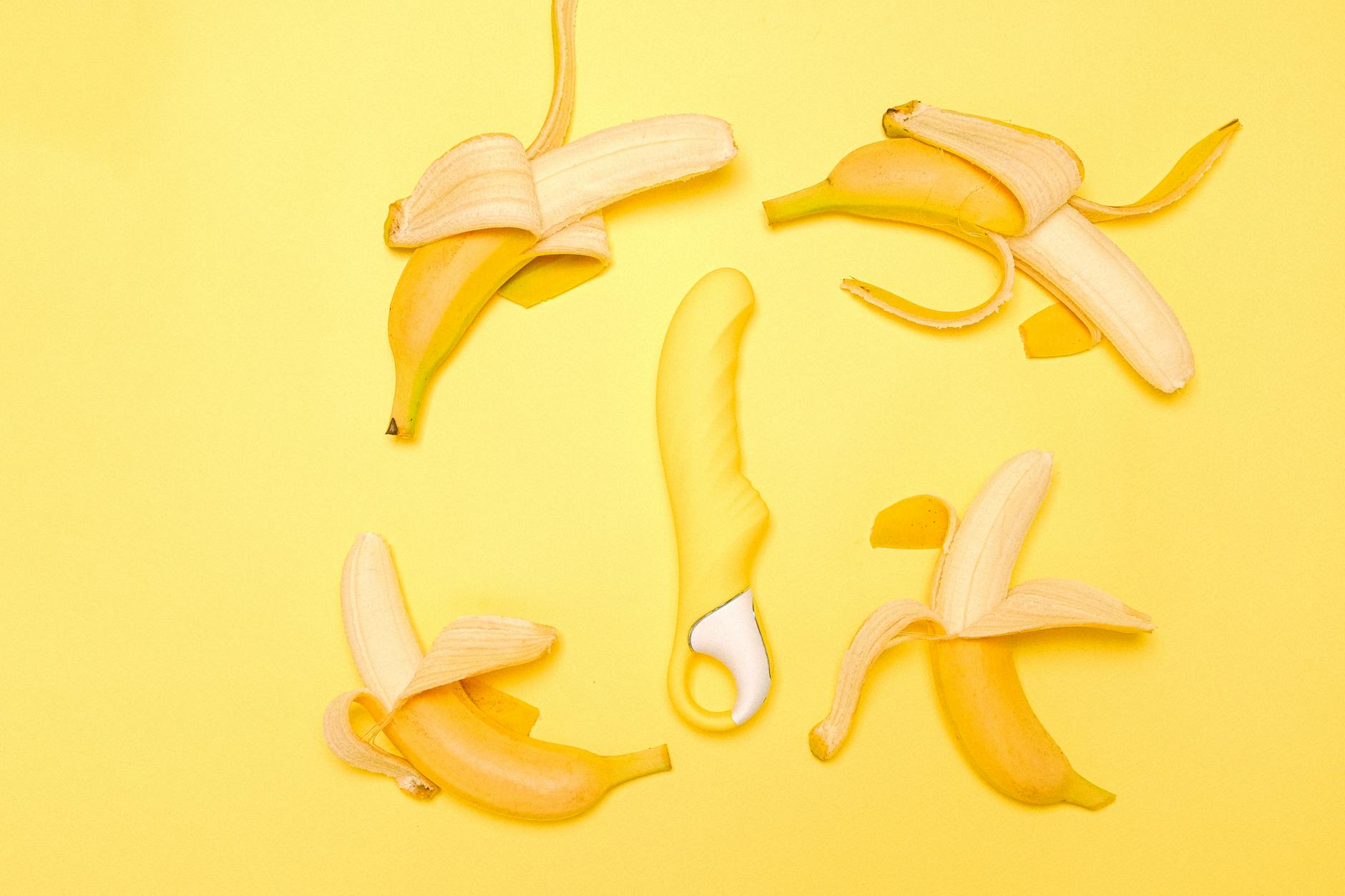
Does Lemon Vibrator Lubrication Matter When Your Sensitivity Changes
Here's what actually changes about your body
Let's be real: lubrication and sensitivity are not the same thing, but they're locked together in ways most people don't understand. When your clitoral tissue shifts (and it will, whether from hormonal changes, age, stress, or medication), the role of lubricant stops being optional and starts being structural.
I work with couples and individuals navigating these transitions every day. The pattern I see most often is someone saying, "A lemon vibrator used to feel perfect. Now it feels either too intense or weirdly flat." Then I ask about lubrication. Ninety percent of the time, they haven't changed their approach to it.
Your clitoral hood gets thinner. Your tissue becomes more delicate. The glans itself (the head) becomes more sensitive or, paradoxically, sometimes less responsive to direct friction. And here's what most people miss: lubricant changes how suction feels on tissue that's shifting, not just whether it feels "wet."
Why a lemon clitoral vibrator and lubrication are a different equation
Traditional vibrators rely on friction. They rub. Suction-based tools like a lemon vibrator work differently. They create a seal and a pressure wave. That seal is not waterproof the way a sink is. It's gentle, variable, and absolutely affected by what's between your tissue and the device.
When tissue thins or your sensitivity changes, here's what happens: the seal works differently. A thin layer of lubricant that once felt like nothing now changes how the suction registers on your nerves. Too much lubricant and the seal loosens, reducing intensity. Too little and the device can feel grabby or uncomfortable on tissue that's lost some of its protective cushioning.
For people using a lem vibrator, this is not a flaw. It's actually useful information. It means lubrication becomes a tool for tuning the experience instead of just a nicety.
What changes with hormonal shifts (and what doesn't)
Estrogen drops. This thins the epithelial tissue covering your clitoral complex. Testosterone drops too, which affects nerve sensitivity and the speed at which arousal builds. Your pelvic floor loses some of its support. The clitoral glans becomes more exposed because the hood thins.
Here's what doesn't change: your nerve density. Your ability to feel pleasure. Your clitoral complex itself is still there, still capable of intense sensation. It's just responding to touch differently.
When sensitivity changes, many people assume they need a stronger device or more intensity. Sometimes that's true. Often, what you actually need is a different approach to lubrication and pressure. A lemon sucker becomes more useful at this point, not less, because you can adjust the experience without chasing higher vibration patterns.
Water-based versus silicone-based lube: the suction difference
Most guides tell you to pick water-based if you're using silicone toys. That's correct. But they usually skip over why it matters for suction specifically.
Water-based lubricant is thinner. It sits between your tissue and the silicone wall of the device more cleanly. When you're using a lemon vibrator, this means the seal of the suction is tighter and more responsive. You feel the pressure changes more distinctly.
Silicone-based lubricant is richer, thicker, more slippery. If you could use it with silicone toys (you can't, it breaks them down), it would soften the suction sensation. Everything would feel slightly more muted, more gliding. For some bodies going through sensitivity changes, that could be welcome. But if your tissue is thinning, you might find that extra cushioning actually reduces the stimulation to a point where the lemon vibrator doesn't do its job anymore.
Hybrid lubes exist, but they're still mostly water-based at their core.
How much lubricant actually matters (and when it's critical)
Two scenarios:
Scenario one: You're in your 20s or 30s, tissue is robust, and your body creates its own lubrication easily. You use a lemon clitoral vibrator occasionally with zero added lubricant, and it's perfect. This works. Your tissue is resilient, and the suction creates enough comfort on its own.
Scenario two: You're in your 40s or beyond. Your tissues are thinner. Arousal takes longer to build natural lubrication. You reach for the lemon vibrator the same way you always did, and suddenly it feels abrasive or the seal breaks too easily.
In scenario two, lubricant stops being optional. It becomes the difference between pleasure and discomfort. But here's the nuance: you probably don't need a lot. One teaspoon of water-based lubricant applied to the exterior of the device and your vulva creates enough of a difference to restore the smooth seal and comfortable pressure.
More lube is not better lube. The goal is to create a consistent seal that lets the suction work without the tissue feeling raw or unsupported.
The specific shifts that change lubrication needs
Three major transitions shift how much (and what type of) lubrication you need with a lemon vibrator:
Menopause or perimenopause. Estrogen drops, tissue thins, natural lubrication decreases. Water-based lubricant becomes essential. Many people find that adding lubricant to their lemon vibrator routine is the moment everything clicks again. You're not broken. Your tool just needs a small adjustment.
Medication changes. Antidepressants, antihistamines, blood pressure meds, and hormonal birth control can all decrease natural lubrication. You might not connect it to medication. But suddenly your most reliable device feels different. Lubricant solves this immediately.
Stress and anxiety. Chronic stress reduces genital blood flow and makes natural lubrication harder to access, even if tissue itself hasn't changed. This is temporary but real. A lemon sexual toy paired with lubricant often works better than you'd expect because you're not fighting against a seal that's losing pressure.
Best practices for using lubricant with your lemon sucker
If you're adjusting to sensitivity changes, here's what actually works:
Apply lubricant to both surfaces. Not a slick coating. A light film on the rim of the device where the seal forms, and a small amount on your vulva. This gives you friction-free insertion of the device onto your clitoral area without the suction feeling like it's gripping.
Start on the lowest setting. With lubricant, you'll often feel more from lower patterns than you did before. This is good. It means the suction is working with your tissue instead of against it.
Reapply if needed. Water-based lubricant dries. If you're going longer than 10 minutes, you might need another small dab.
Pay attention to what changes. If adding lubricant suddenly makes your lemon clitoral vibrator feel amazing again, note that. You've just cracked the code for your current body. This will probably shift again at some point. That's normal.
Why this matters for your pleasure, specifically
Here's what I tell people in my practice: you're not losing sensation. You're gaining specificity. When your tissue thins, your nerve endings become more precise. They respond to lighter stimulation. They're less forgiving of pressure that doesn't feel exactly right.
A lemon vibrator with the right amount of lubrication often delivers more pleasure post-sensitivity-shift than it did before, not less. Because now you're not fighting against pressure. You're riding it.
Many of my clients report that their orgasms actually deepen after they crack the lubrication code. The precision of a lem vibrator, paired with tissue that's more sensitive, creates a completely different experience.
This is not consolation-prize thinking. It's clinical observation. Your body is changing. Your tools can change with it.
When to troubleshoot other things
If you've added lubricant and a lemon vibrator still feels uncomfortable or wrong, something else might be happening.
Pelvic floor tension. If your pelvic floor muscles are tight (which happens with stress, age, and hormonal changes), they can create a sensation that lubricant can't fix. Check out our piece on pelvic floor tension and pleasure for strategies.
Tissue irritation. Rarely, lubricant itself can trigger irritation if you're sensitive to certain ingredients. Hypoallergenic, fragrance-free water-based lubes are safer bets.
Device fit. If the lemon sucker doesn't seal properly against your anatomy (everyone's clitoral shape is different), no amount of lubricant will fix it. This is about fit, not friction.
Hormonal imbalance or medication side effects. If lubrication and sensitivity changes are sudden and dramatic, it's worth talking to a doctor. Sometimes these shifts signal something that needs medical attention.
FAQ: Lubrication, Sensitivity, and Your Lemon Vibrator
How much water-based lubricant should I use with a lemon clitoral vibrator?
Start small. A teaspoon is usually enough. Apply it to the rim of the device where it creates a seal against your tissue. You're not soaking anything. You're creating a thin, smooth layer that helps the suction work without friction. More lubricant often means a looser seal and less stimulation, not more pleasure.
Can I use coconut oil or other natural oils with my lemon sexual toy?
Not with a silicone device. Silicone-based products break down silicone sex toys. This includes coconut oil, jojoba oil, and most natural oils. Stick to water-based lubricant. It's specifically formulated to work with silicone without degrading it.
Does lubricant make a lemon vibrator less intense?
It can, but usually in a good way. If you're dealing with sensitivity changes or tissue that's thinned, adding lubricant often makes stimulation feel more pleasant by reducing friction while maintaining suction pressure. You might need to use a slightly higher pattern than you did before to feel the same intensity, but most people find the trade-off worth it because it feels better on sensitive tissue.
Why does my lemon sucker feel abrasive now when it never did before?
Your tissue likely shifted. This could be hormonal (menopause, medication, birth control), stress-related, or age-related. All of these reduce natural lubrication and thin the epithelial layer. Water-based lubricant solves this in most cases. If it doesn't, talk to a healthcare provider, especially if the change happened suddenly.
How do I know if I'm applying lubricant correctly with my lem vibrator?
The device should slide into position smoothly without feeling tacky or slippery once it's sealed. The suction should feel gentle and responsive, not like it's grabbing. If you feel any pinching or uncomfortable pressure, you might need slightly more lubricant. If the seal feels loose and you're not getting sensation, you might need slightly less.
Does lubricant affect how long the charge on my lemon vibrator lasts?
No. Lubricant is external and doesn't interact with the battery or circuitry. Charge duration stays the same.
You're not overcomplicating this
Adding lubricant to a routine that's worked for years feels like you're doing something wrong. You're not. Your body is changing, and you're adjusting your tools. That's exactly how pleasure stays alive through every decade of your life.
A lemon clitoral vibrator paired with water-based lubricant is often more effective on shifting tissue than it ever was before. Especially if you're navigating hormonal changes or pelvic floor work. The precision of suction combined with the right amount of slip creates a kind of stimulation that fingers and traditional vibrators just can't match.
If you want to dive deeper into how your body changes and what works with it, we have guides on how to use a lemon vibrator after menopause and why lemon vibrators help with desire after hormonal changes. Both cover the bigger picture of sensation and sensitivity shifts.
Your pleasure matters. Your body's changes matter. And the small adjustment of adding lubricant to your lemon sexual toy routine might be the thing that makes everything work again.